The French Revolution and the Birth of Modern Democracy
Causes and Social Tensions
The Cracks in the Crown
By the late 1780s, the French monarchy was teetering on the edge of bankruptcy. While the familiar social structure of the Three Estates had existed for centuries, it was an empty treasury that truly destabilised the kingdom. A significant cause of this financial ruin was France's costly support for the American Revolutionary War. Aiding the American colonists against Great Britain was a strategic victory but a fiscal disaster, adding over a billion livres to an already substantial national debt.
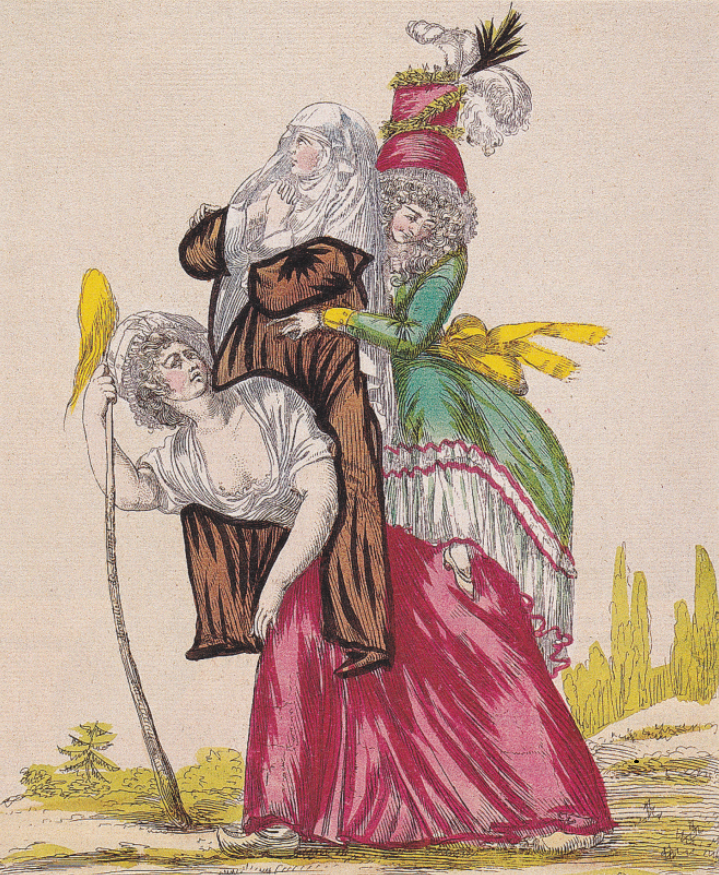
This debt crisis revealed the fundamental weakness of the absolute monarchy. King Louis XVI's government was powerful in theory but hobbled in practice. It lacked a central bank and a fair system of taxation. The First and Second Estates, the clergy and nobility, owned a disproportionate amount of the nation's wealth but were largely exempt from taxes. The entire financial burden fell upon the Third Estate, which included everyone from peasants to prosperous merchants.
An Economy on the Brink
On top of the state's debt, nature dealt a devastating blow. A series of poor harvests throughout the 1780s culminated in a severe hailstorm in 1788 that wiped out crops across northern France. This led to a critical shortage of grain, and the price of bread, the staple food for most of the population, skyrocketed. For ordinary people, the abstract problem of national debt became the terrifying reality of potential starvation.
Faced with an empty treasury and widespread unrest, Louis XVI's finance ministers desperately tried to implement reforms. Figures like and Charles Alexandre de Calonne proposed a radical idea: a land tax that would apply to all estates, including the nobility. This was met with fierce resistance from the privileged orders, who used their influence in regional courts called parlements to block the king's reforms. Their refusal to contribute financially paralysed the government and pushed it towards total collapse.
The failure of financial reforms wasn't just about numbers; it was a political failure. The monarchy proved incapable of imposing its will on the most privileged members of society.
A New Class, a New Ambition
Within the vast Third Estate, a powerful group was growing in wealth and influence: the . This class of merchants, lawyers, and educated professionals was the engine of France's commercial economy. They owned significant capital and often lived more comfortably than many provincial nobles. Yet, despite their economic power, they were denied the legal privileges and social prestige enjoyed by the first two estates. They paid the majority of taxes while being excluded from the highest positions in the army, the church, and government.
This simmering resentment finally boiled over when the king, out of options, summoned the Estates-General in 1789, a medieval assembly that hadn't met in 175 years. Each of the three estates was instructed to compile a list of grievances, known as the .
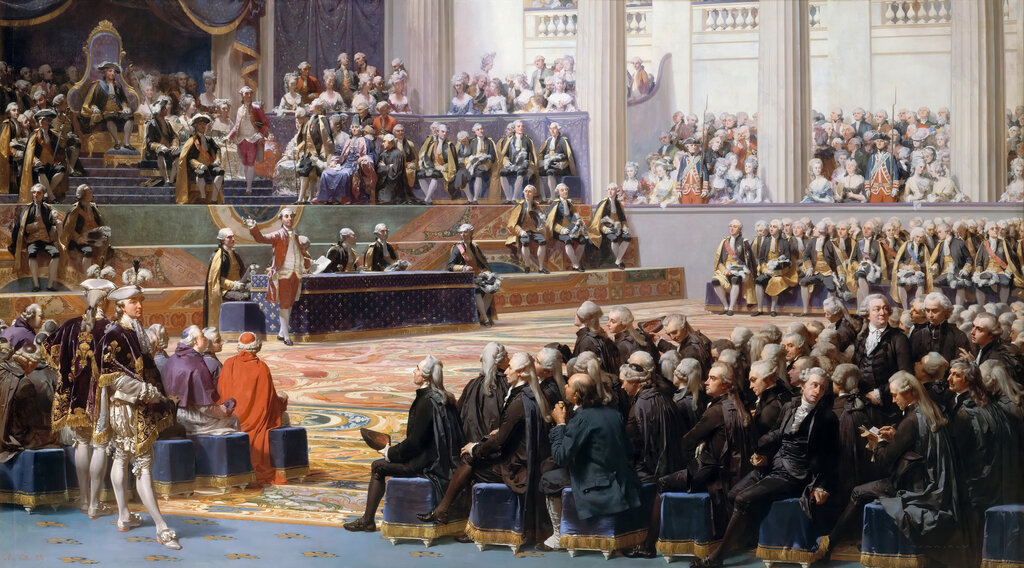
The grievance books from the Third Estate were a clear articulation of its ambitions. They demanded fiscal justice, merit-based access to public office, and, most importantly, constitutional reform. The financial bankruptcy of the Crown had inadvertently provided the bourgeoisie with the leverage it needed to challenge the entire political structure of the Ancien Régime.
What was a primary cause of the French monarchy's severe financial debt by the late 1780s?
The financial burden of taxation in pre-revolutionary France fell almost entirely on the Third Estate.
The stage was set not just for a debate over taxes, but for a fundamental clash over the nature of power and privilege in France.