The Free Will Debate
Introduction to Free Will
The Power of Choice
Do you choose your actions, or are they predetermined? This question is at the heart of the concept of free will. At its simplest, free will is the ability to choose between different possible courses of action. When you decided what to eat for breakfast this morning or which article to read next, you likely felt you were in control. You considered options and picked one. That feeling of being the author of your own actions is the everyday experience of free will.
This isn't about actions you can't control, like a reflex when you touch something hot, or things you're forced to do. It’s about the moments where you could have done otherwise. You could have chosen the cereal instead of the toast. You could have closed this app. The belief that you genuinely could have made a different choice is the foundation of this idea.
An Ancient Question
The debate over free will is not new. For thousands of years, philosophers have wrestled with it. Ancient Greek thinkers questioned how our choices relate to fate and the causal order of the universe. Later, theologians explored how human freedom could coexist with an all-knowing God. The question has persisted because it's tied to our deepest understanding of ourselves and our place in the world.
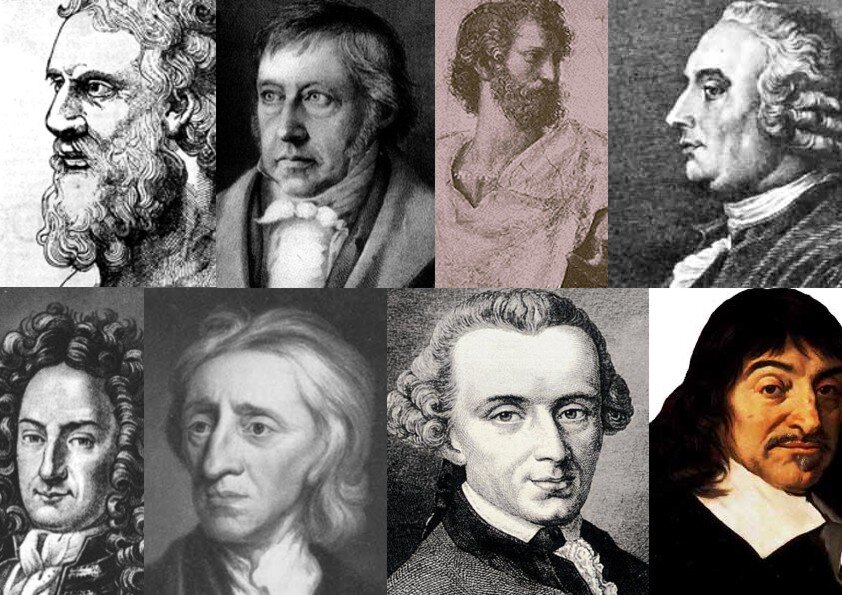
These historical discussions weren't just abstract puzzles. They were attempts to understand what it means to be human. Is our path laid out for us, or do we forge it ourselves with each decision?
The Basis for Morality
So, why does this philosophical puzzle matter so much? Because our ideas about right and wrong depend on it. The concept of moral responsibility—praising people for good deeds and blaming them for bad ones—hinges on the assumption that they chose their actions freely.
Think about it. We don't blame a rock for falling during a landslide and causing damage. We don't praise a vending machine for dispensing a snack. We see them as objects operating according to the laws of physics or mechanics. They couldn't have done otherwise.
When we hold someone accountable, we're saying, "You had a choice, and you are responsible for the one you made."
This principle is the bedrock of our justice systems. The idea of a fair trial, guilt, and punishment is rooted in the belief that individuals are responsible agents who make conscious decisions. Without free will, the entire framework for judging actions as moral or immoral starts to look shaky. Praising heroism or condemning cruelty only makes sense if we believe people freely choose to be heroes or villains.
This fundamental link between choice and accountability is why the question of free will continues to be so compelling. It’s not just an abstract idea; it's woven into the fabric of how we live and relate to one another.
According to the text, which of the following best describes the core idea of free will?
Why is the concept of free will considered fundamental to our justice systems?