The Four Noble Truths of Buddhism
Introduction to Buddhism
The Prince's Journey
Buddhism begins with a man named Siddhartha Gautama, who lived over 2,500 years ago in what is now Nepal. He was a prince, sheltered from the world's hardships. His father, the king, made sure he never saw sickness, old age, or death. Siddhartha lived in luxury, married a beautiful princess, and had a son.
But curiosity led him outside the palace walls. On a series of fateful chariot rides, he encountered what his father had hidden from him: an old man, a sick person, and a corpse. These sights, known as the Four Sights, shattered his blissful ignorance. He realized that suffering is a part of every life, including his own. His final sight was a peaceful wandering ascetic, a person who had renounced worldly life in search of spiritual truth. Inspired, Siddhartha knew he could no longer live a life of comfort while so much suffering existed.
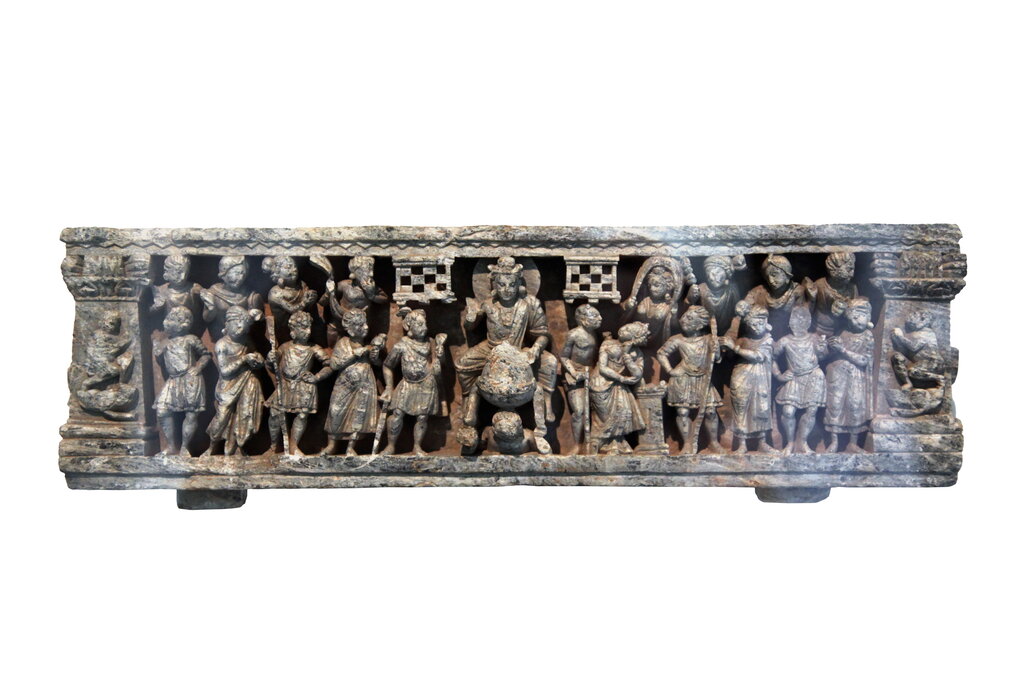
At the age of 29, he left his family and his royal life behind to seek an end to suffering. For six years, he practiced extreme self-denial, fasting until he was little more than a skeleton. But this harsh path didn't bring him any closer to the truth. He realized that neither a life of luxury nor a life of extreme deprivation held the answer. The key, he concluded, must lie somewhere in between.
This realization led him to discover the "Middle Way," a path of moderation that avoids the extremes of self-indulgence and self-mortification.
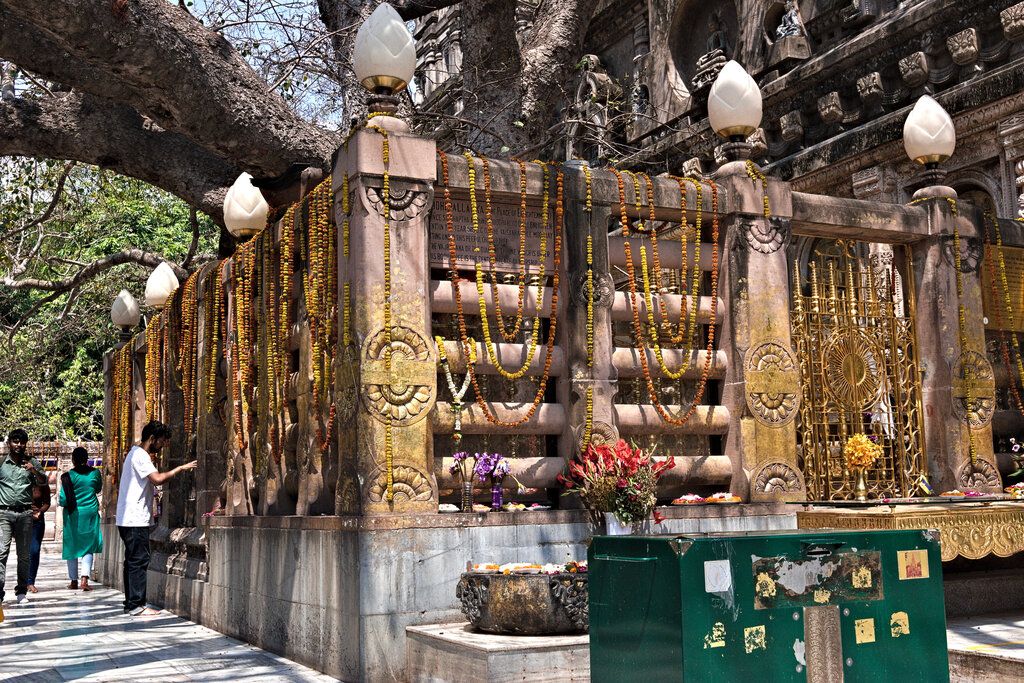
Determined to find his answer, Siddhartha sat beneath a fig tree, now known as the Bodhi tree, in Bodh Gaya, India. He vowed not to rise until he had attained enlightenment. After a long period of deep meditation, he finally understood the nature of suffering and its cure. At that moment, he became the Buddha, which means "the enlightened one."
The Core Teachings
After his awakening, the Buddha spent the rest of his life teaching others the path to enlightenment. His teachings, known as the Dharma, are not about worshipping a god. Instead, they offer a practical guide to understanding the nature of reality and ending one's own suffering.
Dharma
noun
The teachings or doctrine of the Buddha; the universal truth common to all individuals at all times.
Three fundamental concepts form the basis of Buddhist thought:
- Anicca (Impermanence): Everything changes. Nothing is permanent, from our thoughts and feelings to the world around us. Attachment to things that are impermanent is a source of suffering.
- Dukkha (Suffering): This refers not just to physical pain, but to a deeper sense of dissatisfaction or unease that comes from our attachment to things and our craving for them to be permanent.
- Anatta (No-Self): There is no permanent, unchanging soul or "self." What we think of as "I" is just a temporary combination of physical and mental components that are constantly in flux.
The ultimate goal in Buddhism is to achieve Nirvana, a state of complete liberation from suffering and the cycle of rebirth.
Understanding that everything is temporary helps free us from the pain of attachment and loss.
A Time of Change
Buddhism emerged in India during a period of great spiritual questioning, around the 5th century BCE. The dominant religious system was Brahmanism, with its rigid social hierarchy known as the caste system. Many people were looking for new answers to life's biggest questions.
The Buddha's teachings were radical for their time. He rejected the authority of the Brahmin priests and taught that anyone, regardless of their caste or background, could achieve enlightenment through their own effort. This message of universal access to spiritual freedom was incredibly powerful and attracted a wide range of followers.
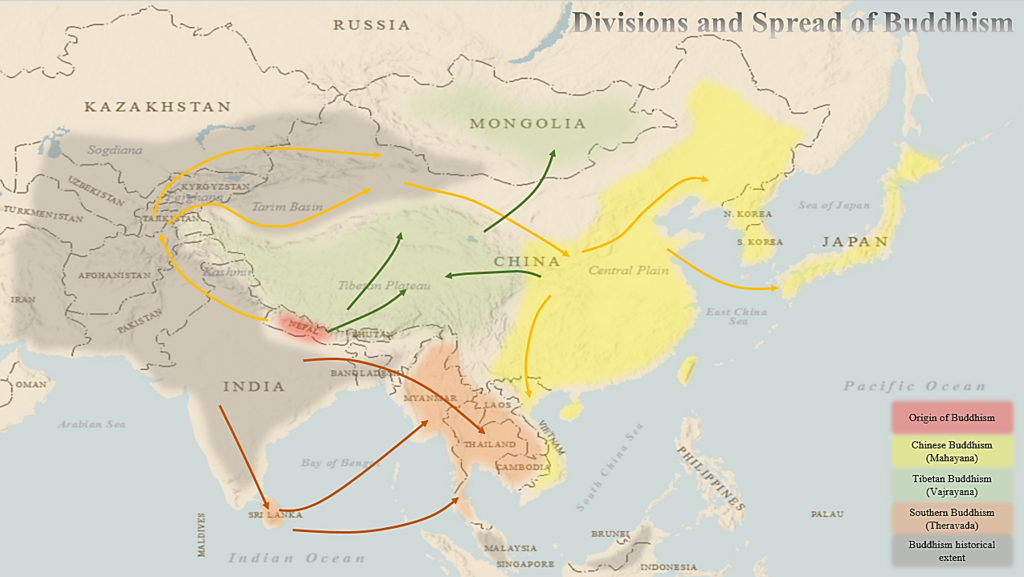
It was in this context that the Buddha gave his first sermon. He didn't begin with complex philosophy or abstract ideas. He started with the most direct and universal human experience: suffering. His first and most famous teaching laid out a clear, diagnostic framework for understanding this problem, which became known as the Four Noble Truths.
Now, let's test your understanding of these foundational ideas.
What prompted Siddhartha Gautama to leave his life as a prince and seek enlightenment?
After leaving the palace, Siddhartha initially tried a path of extreme self-denial. What did he conclude from this experience?
With this background in mind, we're ready to explore the core of the Buddha's first teaching.