The Forbidden Code of Herbs Demystified
Introduction to Biohacking
What Is Biohacking?
At its core, biohacking is the art and science of changing the environment around you and inside you so you have more control over your own biology. Think of it as a systems-based approach to your own body and mind. It's a broad spectrum, ranging from simple lifestyle adjustments like changing your diet to more complex interventions involving technology and data tracking.
The term might sound futuristic, but the concept is ancient. Humans have always looked for ways to improve themselves, from traditional diets to meditation. Modern biohacking emerged from the DIY biology movement, which took inspiration from the open-source, experimental spirit of early computer hackers. Instead of hacking code, they started hacking their own biological code.
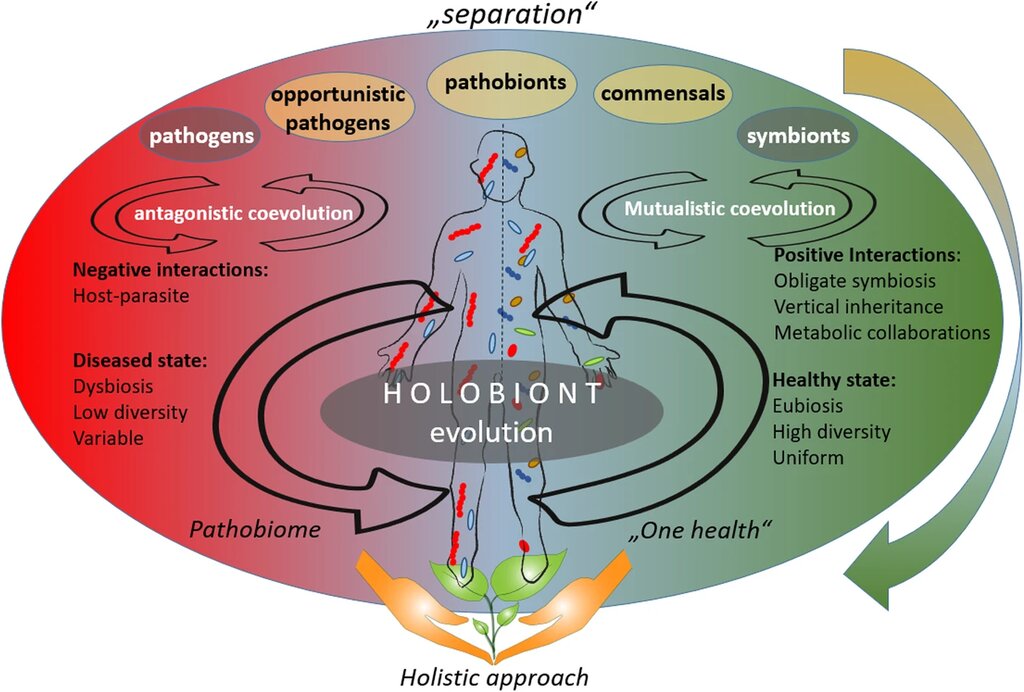
This approach encourages us to see our bodies not as fixed machines, but as complex, dynamic ecosystems we can interact with and improve. It’s about becoming the CEO of your own health.
Core Principles
While biohacking encompasses a vast range of practices, a few core principles unite them. The first is a commitment to systems thinking. Instead of treating symptoms in isolation, a biohacker looks at the body as an interconnected web. Your gut health affects your brain, your sleep impacts your hormones, and your light exposure influences your energy. It's all connected.
Another key principle is self-experimentation. In science, researchers conduct large studies to find what works for the average person. A biohacker performs an experiment of one, or 'n-of-1'. They make a specific change, track the results with data from wearables or lab tests, and decide if it works for their unique biology. This data-driven approach is central to the movement.
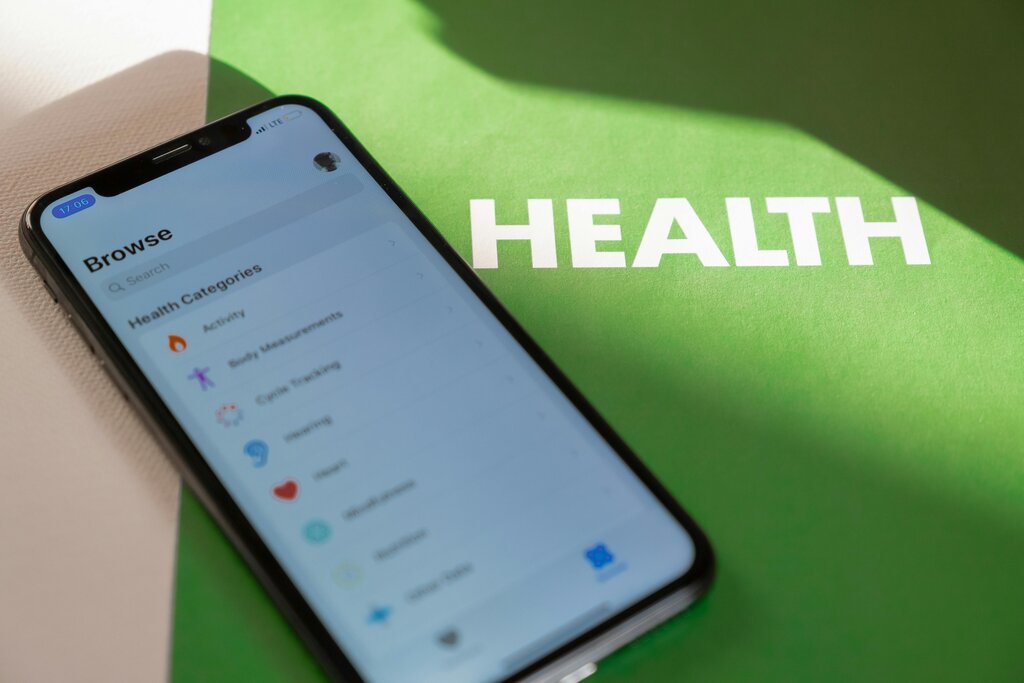
Finally, the goal is optimization. The aim isn't just to avoid sickness, but to enhance performance, whether that means sharper focus, greater physical endurance, or a longer, healthier life. It's a shift from a reactive to a proactive model of health.
Your body is a system. You are the primary user. Biohacking is about learning the user manual.
The Ethical Landscape
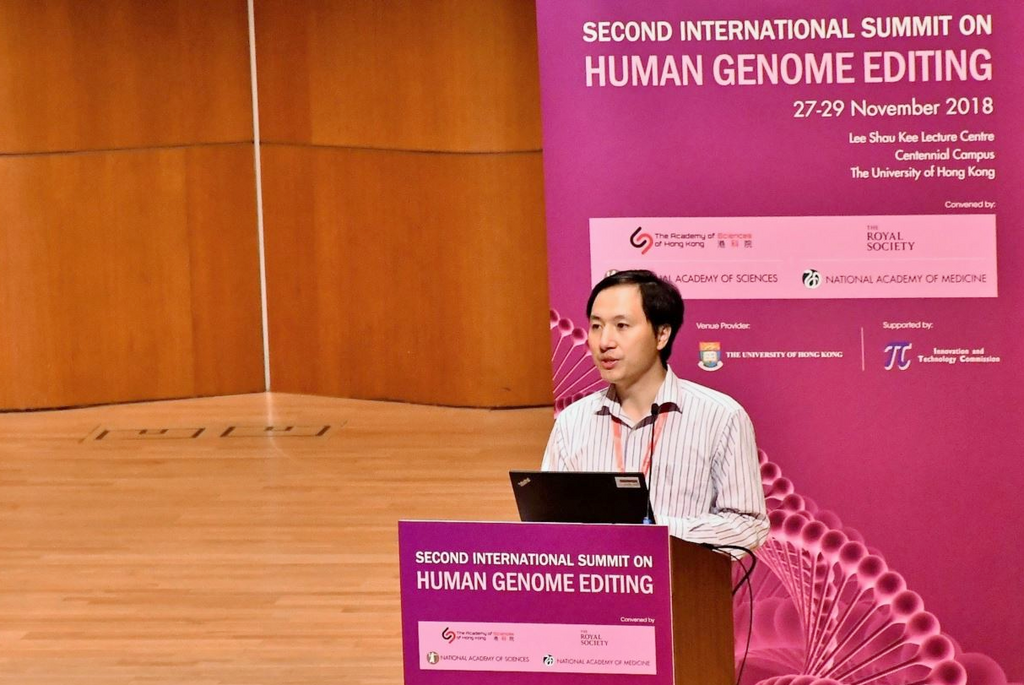
Pushing the boundaries of human biology naturally comes with a complex set of ethical questions. As biohacking moves from simple wellness practices to more radical interventions, the conversation around its implications becomes crucial.
One of the most immediate concerns is safety. In the unregulated world of DIY science, not all methods are backed by rigorous testing. The pursuit of optimization can lead people to try unproven treatments that may carry significant risks. There's a fine line between empowered self-experimentation and reckless behavior.
Questions of equity and access also arise. If expensive biohacking technologies can provide significant cognitive or physical advantages, could this create a new kind of social divide? The prospect of 'genetic haves' and 'have-nots' is a common theme in science fiction, but it's a conversation we need to have in the real world.
Finally, there's the issue of privacy. Biohacking often involves collecting vast amounts of personal health data. Who owns this data? How is it protected? Ensuring the security of our most sensitive biological information is a major challenge.
Navigating this new frontier requires a balance. We need to foster innovation while establishing clear guidelines to ensure that these powerful tools are used responsibly and for the benefit of all.
What is the fundamental concept of biohacking?
A person tracking their sleep quality after taking a magnesium supplement for a month to see if it helps them is practicing which core biohacking principle?