The First War of Independence 1857
Causes of Unrest
Policies on a Powder Keg
By the mid-1800s, the East India Company wasn't just trading in India; it was ruling. Its policies, however, began to create deep fractures across Indian society. From princes to peasants, a sense of unease and resentment was simmering, creating the perfect conditions for a massive uprising.
Princes Without Power
For decades, the British expanded their control by chipping away at the authority of local rulers. This process accelerated dramatically under Governor-General Lord Dalhousie. He aggressively used a policy called the to annex several kingdoms.
The doctrine stripped rulers of their inherited power. Rani Lakshmibai of Jhansi wasn't allowed to have her adopted son succeed her husband. In Kanpur, the British refused to continue the pension for , the adopted son of the late Peshwa Baji Rao II. He was forced to leave his family's home in Pune and move to Bithur. These weren't just personal insults; they were seen as a profound betrayal of treaties and traditions.
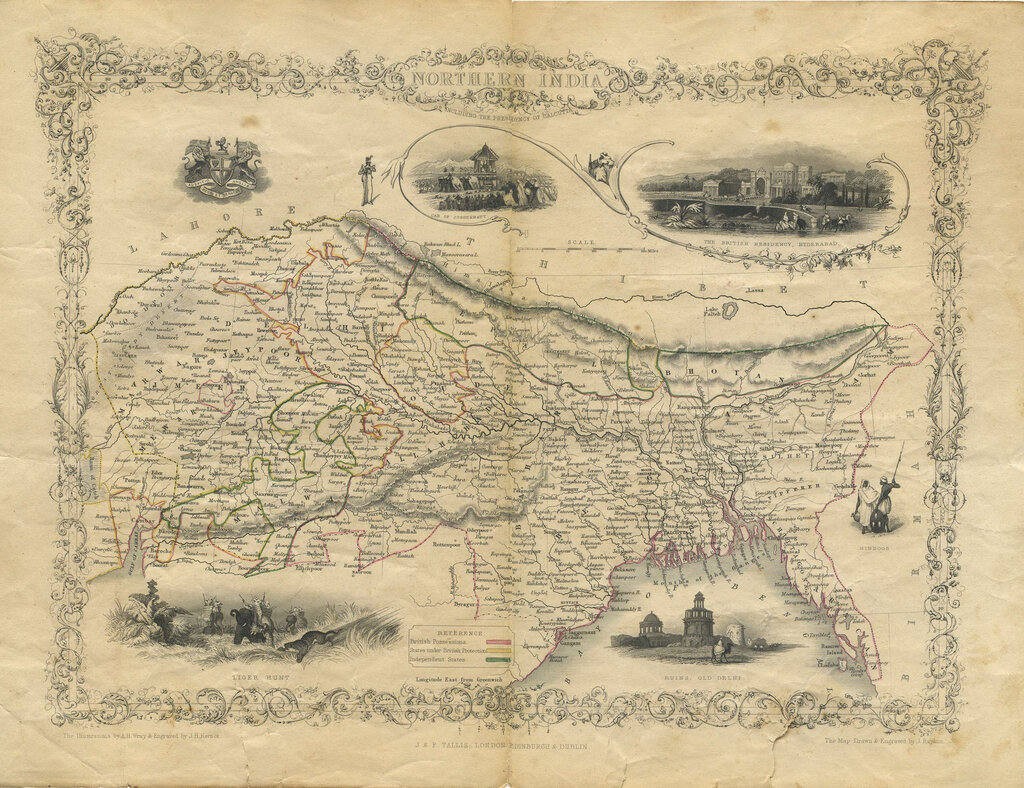
The final political blow came in 1856 with the annexation of Awadh. This time, the Company couldn't use the Doctrine of Lapse, as the ruler had heirs. Instead, they deposed Nawab Wajid Ali Shah on the pretext of 'misgovernment.' This act was deeply humiliating and angered not just the ruling class but also the thousands of sepoys in the Company's army who came from Awadh.
From supposed allies to powerless subjects, Indian rulers saw their authority and honour vanish under British policies.
An Attack on Tradition
The British believed their culture was superior and felt a duty to 'civilise' India. This led to a series of social reforms that many Indians viewed as a direct attack on their way of life. Confident in their power, the Company passed laws that interfered with long-standing customs.
In 1829, they banned the practice of . In 1856, a new law was passed to permit widow remarriage. While these actions might be viewed as progressive, they caused widespread alarm. Many felt the British were destroying their religion and social fabric. The promotion of Christian missionaries and the introduction of taxes on temple and mosque lands only deepened these fears.
The Peasant and the Sepoy
In the countryside, peasants and zamindars (landlords) were buckling under a rigid system of high taxes and harsh revenue collection methods. Unlike previous rulers who might show flexibility during a bad harvest, the Company demanded its share regardless. Many lost their ancestral lands to moneylenders and new landowners, leading to widespread economic distress and resentment.
The discontent of the peasant was mirrored in the army's barracks. The Indian soldiers, or sepoys, were the backbone of the Company's military power, yet their own grievances were mounting. They were paid much less than their British counterparts, treated with disrespect, and saw limited opportunities for promotion.
Religious beliefs were also a source of friction. In 1856, the was passed. This new law required all new recruits to agree to serve overseas if required. For many high-caste Hindus, crossing the sea, or 'kala pani', meant losing their caste. This act directly challenged a core religious taboo and was seen as another attempt to break their faith.
The sepoy was, in essence, a 'peasant in uniform.' The anger he felt for the plight of his family in the village was compounded by the injustices he faced in the army.
These political, social, and military grievances created a volatile atmosphere. A single spark was all that was needed to ignite the widespread anger into a full-blown rebellion.
What was the primary justification used by the British to annex the kingdom of Awadh in 1856?
The British policy that stripped rulers like Rani Lakshmibai of Jhansi of their power because they lacked a natural heir was known as the __________.