The Financial System Explained
Introduction to Financial Systems
The Economy's Plumbing
Think of an economy as a big, bustling city. For it to thrive, it needs resources to move from where they are plentiful to where they are needed. A financial system acts like the city's plumbing, but instead of water, it moves money.
Its main job is to channel funds from those who have extra cash (savers) to those who need it (borrowers). Savers could be individuals putting money aside for retirement, or companies with leftover profits. Borrowers might be a family buying a house, an entrepreneur starting a business, or a government funding a new bridge.
Without this system, the economy would grind to a halt. Excess money would sit idle under mattresses, and great ideas would never get the funding to become reality. The financial system connects these two groups, making sure money is put to productive use, which helps the entire economy grow.
This essential task is carried out by three main components working together: financial institutions, financial markets, and financial instruments.
Institutions and Markets
Financial institutions are the companies that provide financial services. You interact with them all the time. Your local bank, a credit union, an insurance company, or a pension fund are all financial institutions. They act as intermediaries, connecting savers and borrowers.
When you deposit money into a savings account, the bank doesn't just let it sit in a vault. It pools your money with deposits from other customers and lends it out to people and businesses who need to borrow.
intermediary
noun
An organization that acts as a go-between, connecting two other parties. In finance, institutions like banks serve as intermediaries between savers and borrowers.
Financial markets, on the other hand, are the venues where buyers and sellers meet to trade financial assets. Think of the New York Stock Exchange or the bond market. These aren't typically places you can walk into, but they are organized systems, often electronic, where financial deals happen on a massive scale.
If a financial institution is like a specific store (your bank), a financial market is like the entire shopping district where various kinds of trading take place.
Instruments The Tools of Finance
So, what exactly gets traded in these markets and handled by these institutions? The answer is financial instruments. These are the actual products. A financial instrument is a contract that gives one party a claim on the future income or assets of another party.
They come in many forms, but two of the most common are stocks and bonds.
| Instrument | Represents | How You Can Earn Money |
|---|---|---|
| Stock | Ownership in a company | Company's profits (dividends) and selling the stock for more than you paid. |
| Bond | A loan to a company or government | Regular interest payments and the return of your original loan amount. |
Let’s see how it all works together. Imagine you deposit $1,000 in your savings account at a bank (an institution). The bank might use that money to buy a bond (an instrument) issued by a construction company. This happens on the bond market (a market). The construction company now has $1,000 to help build a new apartment complex. In this simple chain, your savings have been channeled through the financial system to fund economic activity.
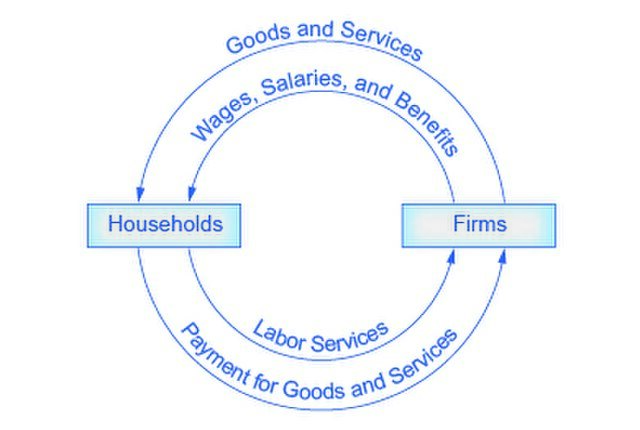
These three components, institutions, markets, and instruments, form the backbone of the financial system. Understanding how they interact is the first step to understanding how money moves through our world. Let's review what we've learned.
What is the primary function of a financial system?
A tech startup sells shares of ownership to the public on the New York Stock Exchange to raise money for a new project. In this scenario, the shares are an example of a financial ________.
By directing capital to where it's needed most, a well-functioning financial system fuels innovation, creates jobs, and allows the economy to prosper.