The Festival of Purim
Introduction to Purim
A Celebration of Survival
Purim is one of the most joyous and festive holidays in the Jewish calendar. At its heart, it's a celebration of survival. The holiday commemorates the salvation of the Jewish people in ancient Persia from a plot to annihilate them. The dramatic story behind this celebration is recounted in the biblical Book of Esther.
The central protagonists of the Megillah we read each Purim are the eponymous Esther and her cousin Mordechai; the antagonists are the wicked Haman and the powerful but unstable Achashverosh.
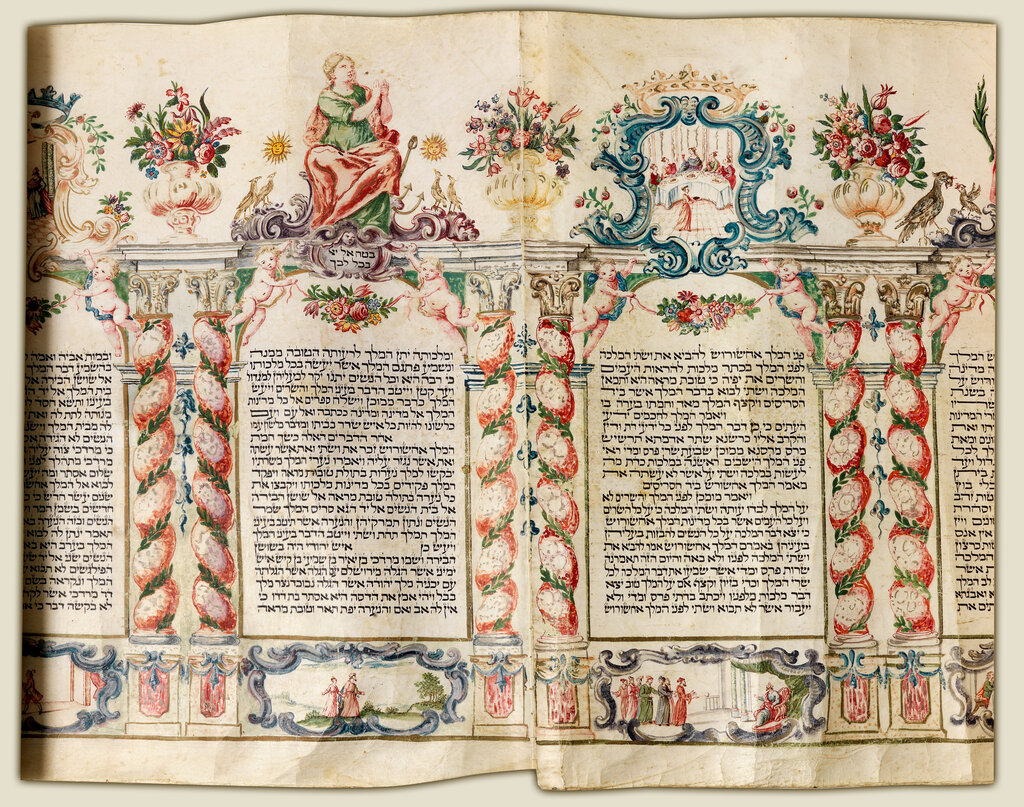
During Purim, this story is read aloud in synagogues from a special scroll called a Megillah. The reading is a lively event. Traditionally, whenever the villain Haman's name is mentioned, people make noise with rattles and noisemakers, called graggers, to blot out his name. It's a fun, interactive way to engage with the story and symbolically triumph over evil.
A Day of Merriment
The spirit of Purim is one of pure joy and community. The holiday has a carnival-like atmosphere, and it's common for both children and adults to dress up in costumes. People might dress as characters from the Esther story or anything else they can imagine. This tradition of dressing up adds to the festive, topsy-turvy feeling of the day, where everything is turned on its head—just as the terrible decree against the Jews was overturned.
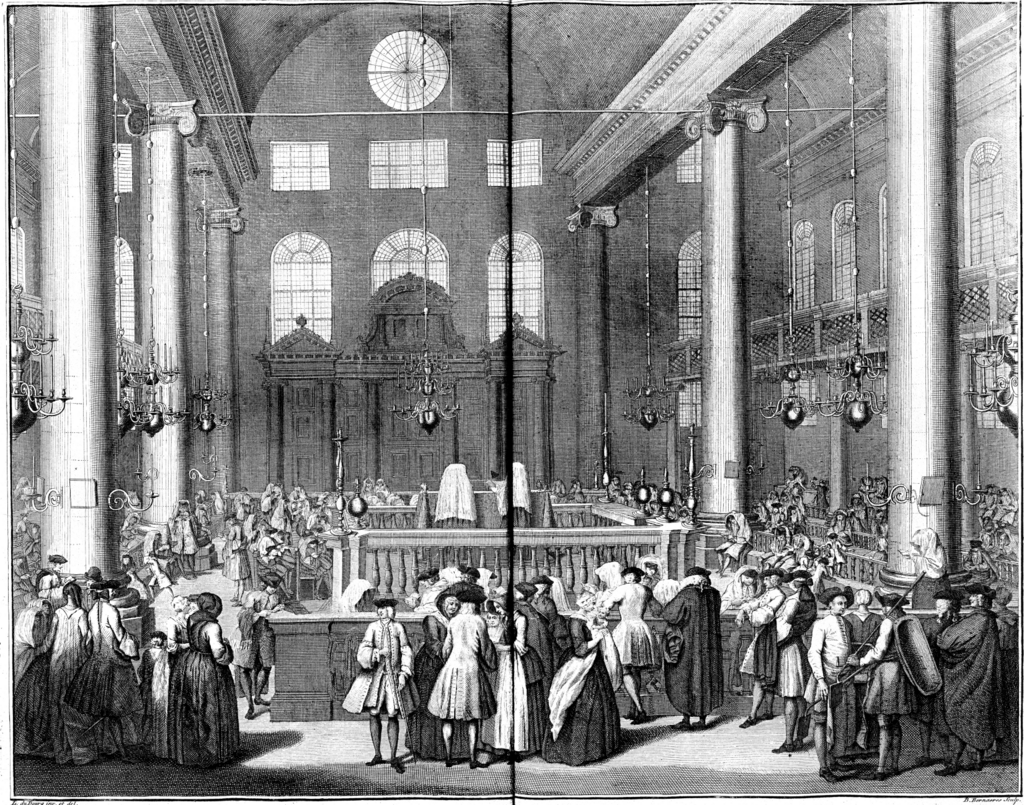
Beyond costumes, the celebration involves several key traditions. A festive meal, called a seudah, is shared with family and friends. It's also a time for generosity. People give gifts of food and drink to friends and neighbors, a custom known as mishloach manot. They also give charity to those in need, called mattanot la'evyonim. These acts of giving strengthen community bonds and ensure everyone can celebrate.
The four main observances of Purim are: reading the Megillah, having a festive meal, sending food gifts, and giving to the poor.
Purim is celebrated on the 14th day of the Hebrew month of Adar. Because the Hebrew calendar is lunisolar, the date changes each year on the Gregorian calendar, but it typically falls in late winter or early spring, usually around March.
The story of Purim is recounted in which biblical book?
Why do people traditionally make noise with graggers during the synagogue reading on Purim?