The Felony Murder Rule Explained
Introduction to Felony Murder
The Unintentional Killing
Imagine someone decides to set fire to an old, abandoned warehouse to collect insurance money. They scout the building for days, making sure it's always empty. On the night of the crime, they're certain no one is inside. But they're wrong. A homeless person seeking shelter for the night is trapped and dies in the fire. The arsonist is horrified; they never intended to hurt anyone. Yet, they could still be charged with murder.
This is possible because of a legal doctrine called the felony murder rule. It states that if a death occurs during the commission of certain dangerous felonies, the individuals responsible for the felony can be found guilty of murder, regardless of whether they intended to kill.
Felony
noun
A serious crime, such as arson, robbery, or kidnapping, typically punishable by imprisonment for more than one year.
The logic behind the rule is a concept known as "transferred intent." In a typical murder case, a prosecutor must prove the defendant had mens rea, or a "guilty mind"—specifically, the intent to kill. Under the felony murder rule, the intent to commit the underlying dangerous felony is transferred to the act of killing. The law essentially says that by choosing to commit a dangerous crime, the perpetrator accepts the risk that someone might die as a result.
The intent to commit the dangerous crime is all the proof of intent the prosecution needs for a murder charge.
Where Did This Rule Come From?
The felony murder rule is not a modern invention. Its roots trace back to 12th-century English common law, a system of law based on judicial precedents rather than written statutes. Originally, the rule held that any death occurring during any felony made the felon guilty of murder. The idea was to deter people from committing felonies in the first place by raising the stakes dramatically.
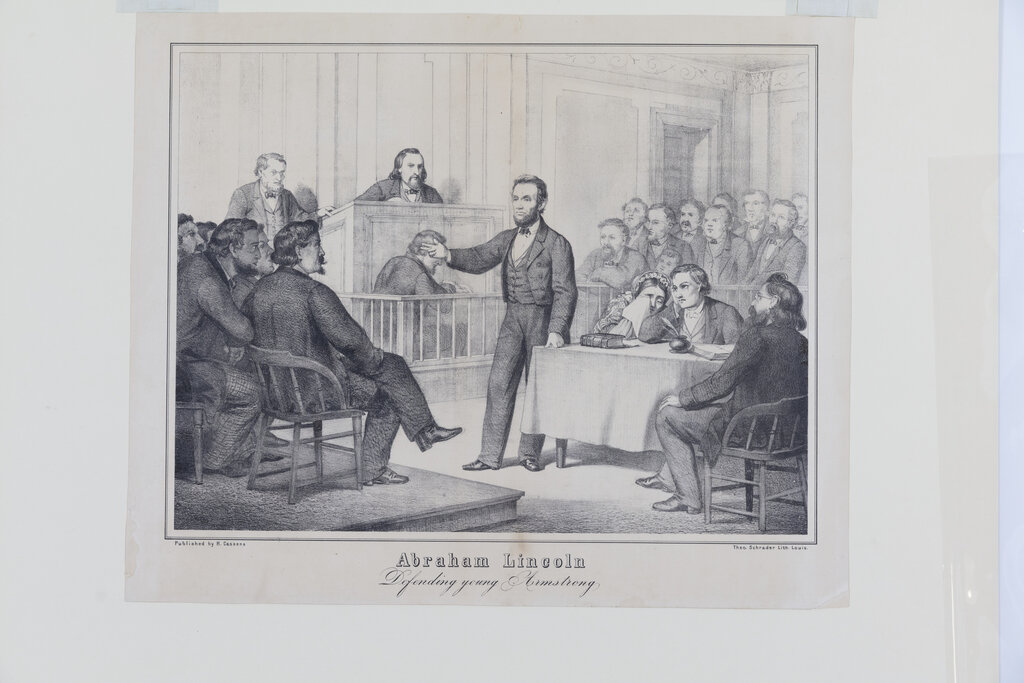
When the United States was formed, its legal system adopted many principles from English common law, including the felony murder rule. Over the centuries, American courts have narrowed its scope. Most jurisdictions now apply the rule only to felonies that are considered "inherently dangerous" to human life.
Purpose and Application
The primary goal of the rule is to hold individuals accountable for the foreseeable consequences of their actions. If you engage in a crime that puts lives at risk, you are responsible for any deaths that result. It also simplifies the prosecution's job. Proving a defendant’s state of mind—what they were thinking at the moment of a crime—can be incredibly difficult. The felony murder rule removes the need to prove a specific intent to kill.
Let's consider a classic example: a bank robbery. Three people are involved. One waits in the getaway car, one controls the crowd, and one demands money from the teller. During the robbery, the teller has a heart attack and dies from the stress. Or perhaps a security guard trips, falls, and suffers a fatal head injury. Under the felony murder rule, all three participants—even the driver who never entered the bank—could be charged with murder. Because they all willingly participated in the dangerous felony of robbery, they share responsibility for the death that occurred.
Jurisdictions that use the rule typically have a list of qualifying felonies. While the specific crimes vary, they usually include those that involve a clear and direct risk to human life.
| Common Qualifying Felonies |
|---|
| Arson |
| Robbery |
| Burglary |
| Kidnapping |
| Rape |
| Carjacking |
This doctrine is a powerful tool for prosecutors, meant to deter violent crime and ensure accountability for its deadliest outcomes.
What is the central idea behind the felony murder rule?
The felony murder rule is based on the concept of 'transferred intent'.