The Feldenkrais Method Explained
Introduction to Feldenkrais Method
From Injury to Insight
The Feldenkrais Method began with a problem. Moshé Feldenkrais, its creator, was a brilliant physicist, engineer, and martial artist. But a recurring knee injury threatened his ability to walk. Faced with a risky surgery and no guarantee of success, he decided to take matters into his own hands.
He applied his scientific mind to his own body. Drawing on his knowledge of physics, biomechanics, and human development, Feldenkrais began a deep exploration of the relationship between movement, awareness, and the nervous system. He realized that his movement habits—patterns ingrained over a lifetime—were contributing to his pain. By bringing gentle, focused attention to how he moved, he discovered he could teach his brain new, more efficient options. He not only healed his knee but also uncovered a powerful method for learning and improvement.
The core idea is that we can learn to move with greater ease and skill at any age. It's not about forcing change, but about creating the conditions for the brain to discover a better way on its own.
How We Learn to Move
Think about how a baby learns to roll over, crawl, and walk. There's no instruction manual. They learn through curious, playful exploration. They try something, sense the result, and adjust. This natural, organic learning process is at the heart of the Feldenkrais Method.
As we grow up, we develop habits. We learn one way to sit, one way to stand, one way to reach for a cup. These patterns become so automatic we don't even notice them. Sometimes, these habits are inefficient or cause strain. The Feldenkrais Method provides a way to press pause on these automatic patterns and rediscover the kind of curiosity a child has. It's a system for learning how to learn.
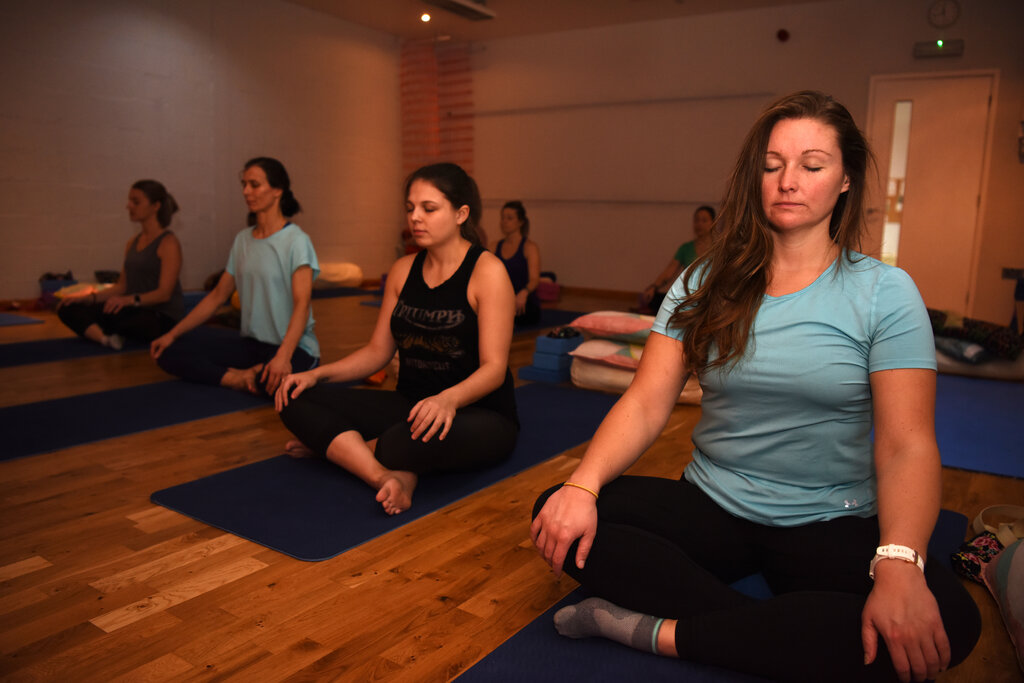
Often it is the gentler therapeutic methods such as the Bowen technique, the Feldenkrais method or slower forms of yoga that have the greatest influence on this remarkable network, which underpins the healthy functioning of the whole body.
The process focuses on reducing effort and increasing sensitivity. By performing small, slow movements, you give your nervous system a chance to notice subtle differences. It's not exercise; the goal isn't to strengthen muscles or stretch tissues. The goal is to provide your brain with new information so it can organize your body for more effortless, effective action.
Two Paths to Awareness
The Feldenkrais Method is taught in two distinct, complementary formats: one in a group setting, and one that is private and hands-on.
Awareness Through Movement
noun
Group classes where a teacher verbally guides students through structured movement sequences. Students explore movements in a comfortable range, focusing on the quality and process of moving rather than achieving a specific goal.
In an Awareness Through Movement (ATM) lesson, you might lie on a mat while a teacher talks you through a series of related movements. The instructions are like puzzles for your body. You're encouraged to move slowly, stay comfortable, and simply notice what you feel. The lessons are ingeniously designed to reveal your habits and offer your brain new possibilities.
The other format is called Functional Integration.
Functional Integration
noun
A one-on-one session where a certified practitioner uses gentle, non-invasive touch to guide a person's movements. It's a customized session tailored to the individual's specific needs and habits.
In a Functional Integration (FI) session, you are fully clothed on a low table. The practitioner communicates with your nervous system through skilled, gentle touch. It's like a physical conversation. The practitioner's hands help you feel and experience new movement patterns that might be difficult to find on your own. This hands-on guidance can lead to profound and rapid changes in posture, flexibility, and coordination.
Both ATM and FI share the same goal: to help you move through life with more ease, awareness, and skill.
What was the personal problem that motivated Moshé Feldenkrais to create his method?
The learning process in the Feldenkrais Method is often compared to how a baby learns to move.