The FedEx Sales Machine
FedEx Sales Process Overview
The FedEx Sales Blueprint
At a company the size of FedEx, sales don't happen by accident. Every new account, from a small e-commerce shop to a multinational corporation, is the result of a deliberate and well-honed process. This process acts as a roadmap, guiding sales professionals and potential customers on a clear journey together. It ensures that every prospect receives a consistent, high-quality experience and that sales teams can work efficiently and effectively.
Think of it as the flight plan for a shipment. Before a package ever leaves the ground, its entire route is mapped out. The sales process works the same way, providing a structured path from the first conversation to a lasting business partnership.
Why Structure Matters
A structured sales approach isn't about robotic scripts or rigid rules. It's about creating a predictable framework for success. When everyone on the team understands the stages of a sale, they can better identify a customer's needs, anticipate questions, and provide the right information at the right time.
This consistency builds trust with potential clients, showing them they're in capable hands. For the sales team, it eliminates guesswork, allowing them to focus their energy on building relationships and solving customer problems. A clear process makes it easier to track progress, forecast sales, and continuously improve.
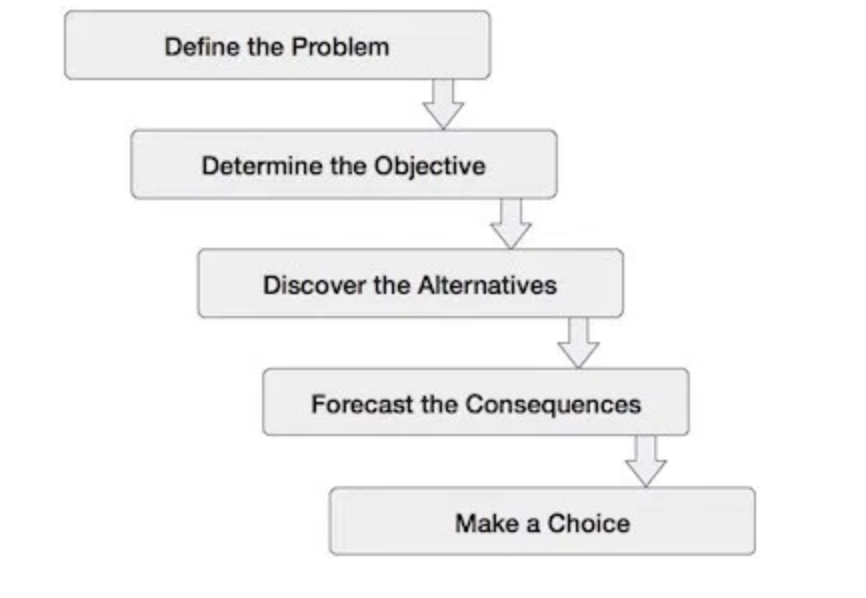
The Five Stages of a Sale
The FedEx sales process can be broken down into five distinct stages. While deals can be complex, they generally follow this sequence.
1. Lead Generation This is the starting point. Lead generation is the process of identifying potential customers, or "leads." These might be businesses that are expanding, companies in need of more reliable shipping, or organizations looking to optimize their supply chain.
2. Qualification Not every lead is a perfect fit. The qualification stage is about determining if there's a mutual match. The sales team assesses the lead's needs, budget, and decision-making authority. It's a crucial step that ensures time is spent on prospects who can genuinely benefit from FedEx services.
3. Proposal Once a lead is qualified, the sales team develops a tailored solution. This is presented in a formal proposal that outlines exactly how FedEx can address the customer's specific challenges, detailing services, pricing, and the value they can expect to receive.
4. Closing This is the decision-making stage. After the proposal has been reviewed and any final questions have been answered, the goal is to reach an agreement. A successful close means the prospect signs a contract and officially becomes a FedEx customer.
5. Relationship Management The journey isn't over when the deal is signed. This final stage is about nurturing a long-term partnership. It involves providing excellent customer service, checking in regularly to ensure needs are being met, and identifying new ways FedEx can add value as the customer's business grows and evolves.
Each stage builds on the last, creating a logical flow that turns initial interest into lasting loyalty.
Now, let's review what you've learned about this process.
What is the primary benefit of implementing a structured sales process?
A sales professional is researching a potential client to determine if their shipping volume, budget, and decision-making structure make them a good fit for FedEx services. Which stage of the sales process is this?