The Fascinating World of Pollination
Introduction to Pollination
The Goal of a Flower
For a plant, a flower isn't just for show. It's a reproductive machine. Its primary goal is to create seeds to produce the next generation. To do that, most flowering plants need a process called pollination.
Pollination is the transfer of pollen grains from an anther to a stigma.
Think of it as the first step in plant reproduction. Pollen is a fine powder, usually yellow, that contains the male genetic material. For a seed to develop, this pollen must travel from the male part of a flower to the female part of a flower.
A Flower's Anatomy
To understand pollination, you need to know the key players inside a flower. The reproductive organs can be broken down into male and female parts.
Stamen
noun
The male reproductive organ of a flower. It consists of two parts: the anther, which produces pollen, and the filament, the stalk that holds the anther up.
The stamen's job is simple: make and offer up pollen.
Pistil
noun
The female reproductive organ of a flower, located in the center. It includes the stigma (the sticky tip that catches pollen), the style (the tube connecting the stigma to the ovary), and the ovary (which contains the ovules, or potential seeds).
The pistil is the receiving end. It’s where the pollen needs to land for reproduction to be successful. Visually, these parts are easy to spot.
This movement of pollen from anther to stigma is the essence of pollination. Without it, the plant can't produce seeds or fruit. This is why pollination is vital not just for plants, but for entire ecosystems, including our food supply. Many of the fruits and vegetables we eat exist only because a pollinator did its job.
Pollination Strategies
Plants have two main strategies for getting pollen to the right place: doing it themselves or getting a little help.
Self-pollination occurs when pollen from a flower's anther lands on the stigma of the very same flower, or another flower on the same plant. It's a reliable backup plan, but it results in offspring that are genetically identical to the parent.
Cross-pollination is the transfer of pollen between flowers on different plants of the same species. This method mixes genes, creating genetic diversity. Diverse populations are healthier and more resilient to diseases and environmental changes.
While self-pollination is a safe bet, cross-pollination is where things get interesting. Since plants can't move, they need help to transfer their pollen to another plant. This is where pollination agents come in.
These agents are the forces of nature that move pollen from one flower to another. The most common agents are:
- Wind: Many grasses and trees release enormous amounts of light pollen into the air, hoping some of it lands on the right target.
- Water: For aquatic plants, pollen can travel on the water's surface.
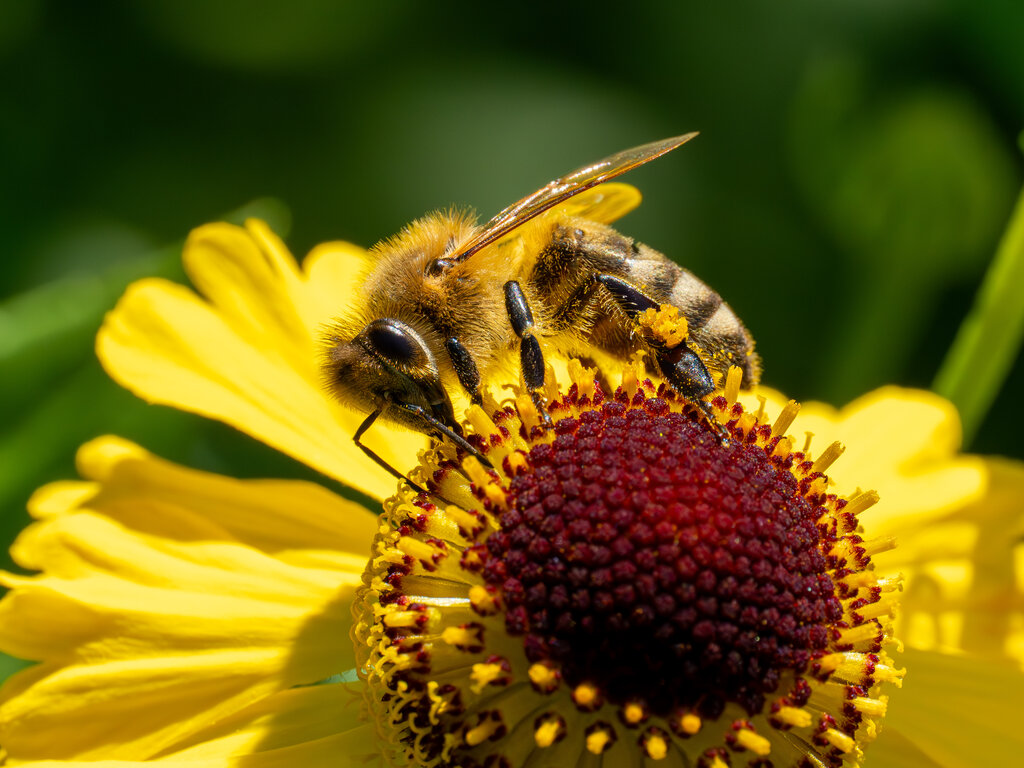
- Animals: Insects like bees and butterflies, birds like hummingbirds, and even mammals like bats are some of the most important pollinators. They visit flowers to feed on nectar and end up covered in pollen, which they carry to the next flower they visit.
Ready to check your understanding of these core concepts?
What is the primary reproductive goal of a flower?
The movement of pollen from a flower's stamen to its pistil is called ______.
Understanding this fundamental process is the first step to appreciating the complex and beautiful relationships between plants and the world around them.