The Fascinating World of Jewelry
Jewelry Origins
The First Adornments
Long before humans wrote stories or built cities, they decorated themselves. The earliest jewelry wasn't made of gold or silver, but from materials found in the natural world. People strung together shells, carved animal teeth, and polished interesting stones. A simple string of beads could take weeks to create.
These weren't just for decoration. Early ornaments served as talismans for protection against harm, symbols of social status within a tribe, or markers of identity. A specific type of bone might signify a successful hunter, while a rare shell could indicate a connection to a distant place. Wearing these items communicated information about a person's role, achievements, and spiritual beliefs.
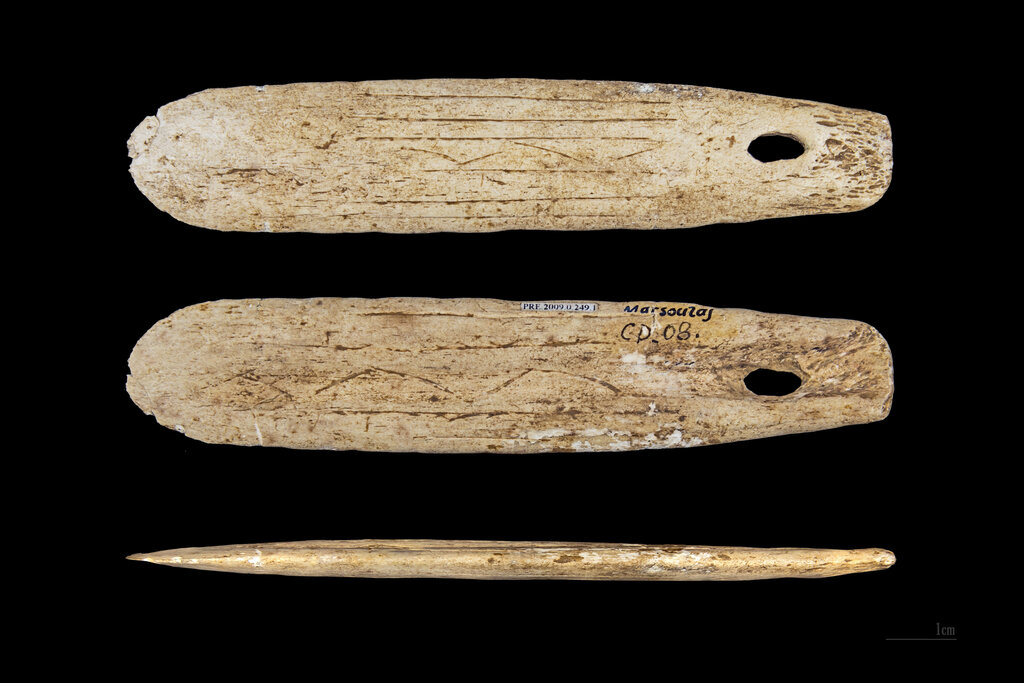
As nomadic hunter-gatherers settled down and formed the first agricultural communities, their relationship with jewelry began to change. With more stable food sources came more time for specialized crafts. The development of early cities in places like Egypt, Mesopotamia, and the Indus Valley gave rise to new techniques and materials, transforming jewelry from simple ornaments into complex works of art.
Egypt's Symbols of Power
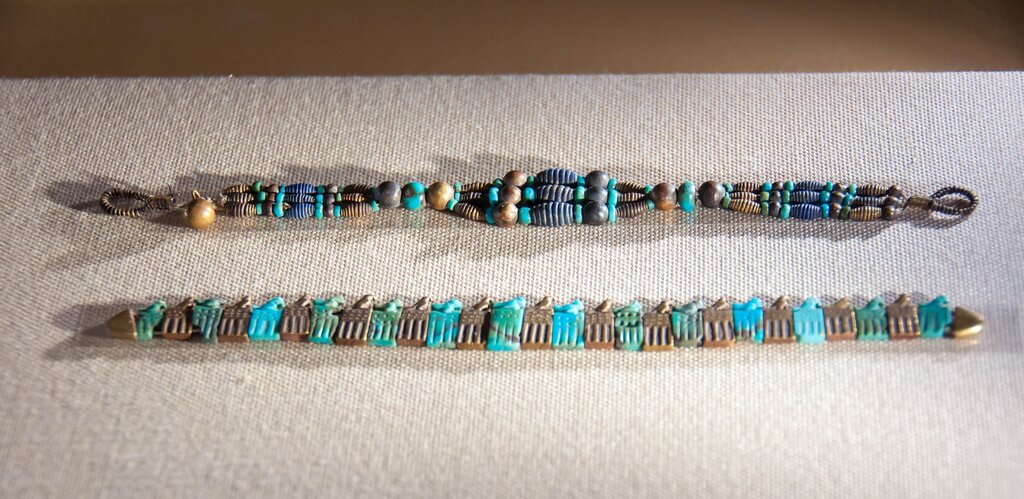
In ancient Egypt, jewelry was deeply intertwined with religion and the afterlife. It was worn by men and women across all social classes, from the Pharaoh down to the common farmer. The materials, colors, and designs were all rich with symbolic meaning. Gold, with its imperishable shine, represented the flesh of the gods and eternal life. Lapis lazuli, a deep blue stone imported from modern-day Afghanistan, symbolized the heavens and the divine. Turquoise was associated with joy and fertility.
Jewelry was not just for the living. Egyptians believed it was essential for the journey to the afterlife. Tombs were filled with collars, bracelets, rings, and protective amulets to ensure the deceased's safety and well-being in the next world. The famous tomb of Tutankhamun, for example, contained hundreds of pieces of elaborate jewelry.
Amulet
noun
An ornament or small piece of jewelry thought to give protection against evil, danger, or disease.
Mesopotamia and the Indus Valley
Like the Egyptians, the people of Mesopotamia cherished jewelry for both its beauty and its spiritual significance. Sumerian, Akkadian, and Babylonian artisans became masters of metalworking. They developed techniques like granulation (decorating a surface with tiny metal beads) and filigree (using delicate metal threads to create lace-like patterns).
The Royal Tombs of Ur, discovered in modern-day Iraq, revealed a treasure trove of Sumerian jewelry from around 2600 BCE. These pieces showcased intricate designs using gold, silver, carnelian, and lapis lazuli, demonstrating a high level of craftsmanship and a sophisticated aesthetic.
Meanwhile, in the Indus Valley (present-day Pakistan and western India), one of the world's first urban civilizations was thriving. The people of cities like Harappa and Mohenjo-Daro were skilled artisans, particularly known for their bead-making. They drilled incredibly long, thin holes through hard stones like carnelian, creating long beads that were highly prized and traded across vast distances. This civilization established extensive trade networks, exporting their finished beads as far as Mesopotamia.
In ancient civilizations around the world, jewelry straddled the lines between art and science.
| Civilization | Key Materials | Signature Techniques/Styles | Primary Significance |
|---|---|---|---|
| Ancient Egypt | Gold, Lapis Lazuli, Turquoise, Carnelian | Broad collars, Scarab amulets, Use of symbolism | Religious, Afterlife, Status |
| Mesopotamia | Gold, Lapis Lazuli, Carnelian | Granulation, Filigree, Leaf and spiral motifs | Status, Religious, Trade |
| Indus Valley | Carnelian, Steatite, Terracotta, Gold | Long carnelian beads, Intricate bead-making | Trade, Personal adornment |
Ready to review what you've learned about the earliest forms of jewelry?
Let's test your knowledge.
What was a primary function of jewelry in the earliest human societies, beyond simple adornment?
In ancient Egyptian culture, the imperishable shine of gold was believed to represent what?
From simple shells to intricate gold collars, the story of jewelry is the story of human creativity, belief, and connection.