The Fascinating World of Cats
Cat Anatomy
Designed for Stealth and Power
A cat’s body is a marvel of evolutionary engineering, perfectly tuned for a life of hunting. Every aspect of their anatomy, from the bones to the muscles, contributes to their incredible agility, speed, and stealth. Unlike animals built for long-distance running, cats are designed for short, explosive bursts of energy.
Their skeletal structure is the foundation of this design. A cat has around 244 bones, depending on tail length. One key feature is their clavicle, or collarbone. Unlike the rigid, fused collarbones of humans, a cat's clavicle is a tiny, free-floating bone embedded in muscle. This allows them to squeeze their shoulders together and fit through any opening large enough for their head.
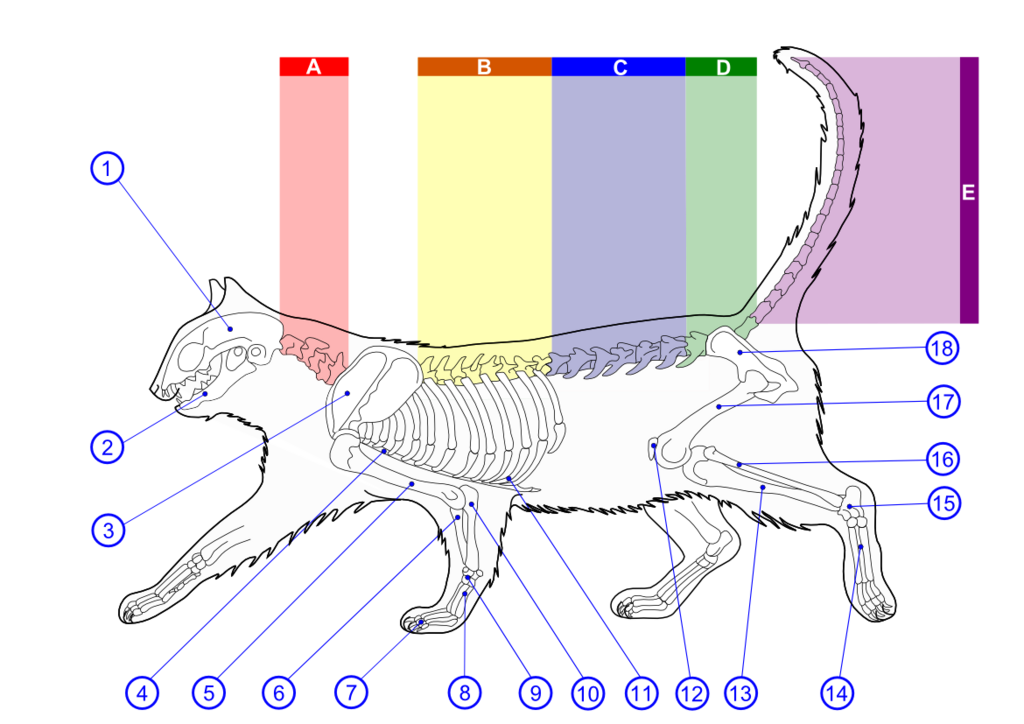
The spine is another masterpiece of flexibility. It has more vertebrae than a human's spine, with extra-elastic cushioning discs between them. This construction allows a cat to twist, turn, and arch its back to an amazing degree, which is crucial for pouncing, climbing, and the famous self-righting reflex they use when falling.
Muscle and Claws
A cat’s muscular system is composed primarily of fast-twitch muscle fibers, which contract quickly to produce powerful movements. Their strong, muscular hind legs provide the explosive force for jumping, capable of launching them up to six times their own body length into the air. The muscles of the back and abdomen work in concert with their flexible spine to allow for rapid acceleration and sharp turns.
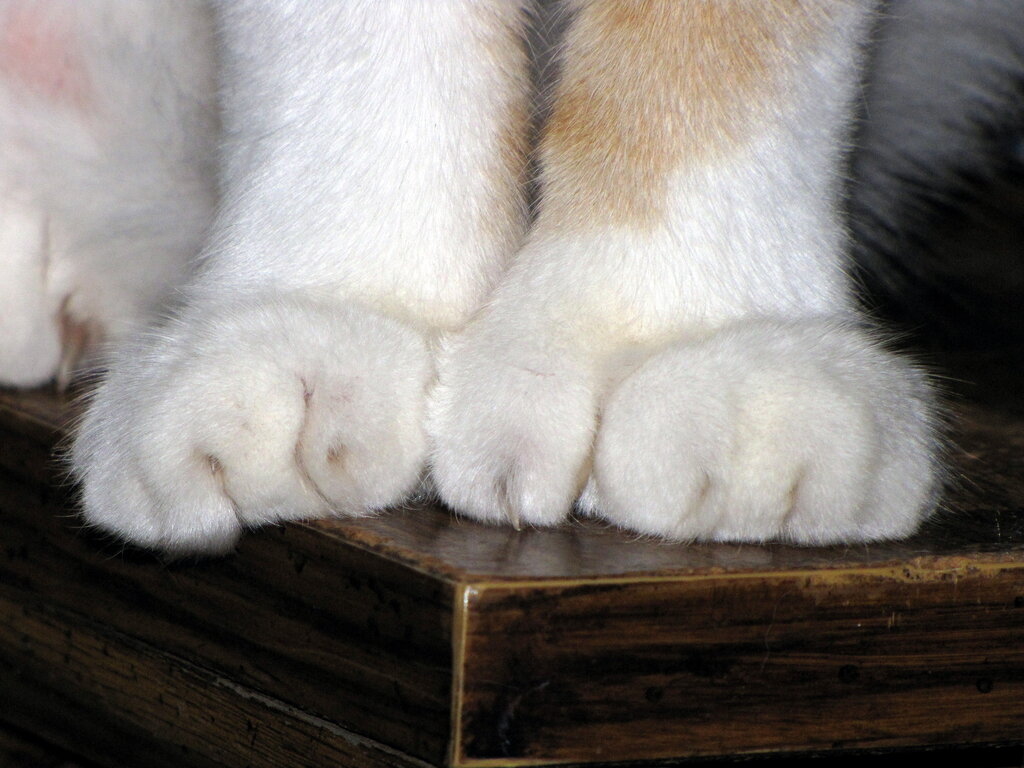
Perhaps one of the most well-known features of a cat's anatomy is its retractable claws. These are not fully retractable in the way a telescope collapses. Instead, they are normally sheathed by skin and fur, held in place by an elastic ligament. When a cat needs to climb, hunt, or defend itself, it contracts a tendon to unsheathe the sharp, curved claws.
This sheathing mechanism keeps the claws from becoming blunted by constant contact with the ground, ensuring they are always sharp when needed.
A World of Sensation
Cats experience the world through highly developed sensory organs, which are finely tuned for detecting prey and navigating their environment, especially in low light.
Their eyes are large relative to their head size, maximizing the amount of light they can gather. Behind the retina lies a reflective layer called the tapetum lucidum, which gives cat eyes their characteristic glow in the dark. This layer acts like a mirror, bouncing light back through the retina for a second chance to be absorbed. This feature gives them exceptional night vision, allowing them to see with only one-sixth the light level humans require.
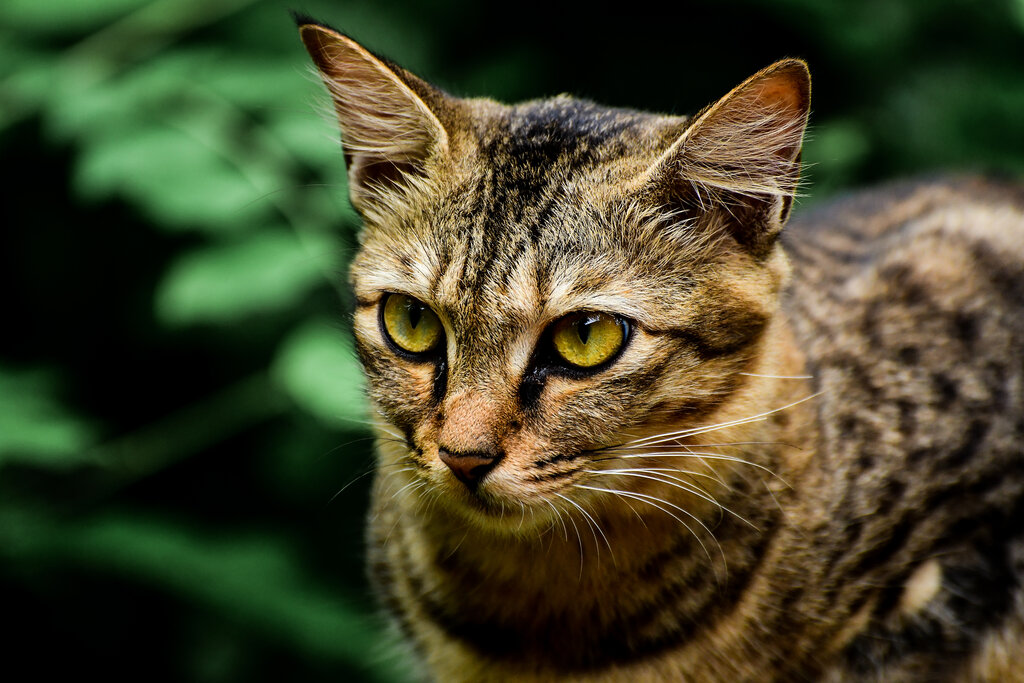
A cat's sense of hearing is equally impressive. Their large, mobile outer ears, called pinnae, can rotate 180 degrees independently of one another. This allows them to pinpoint the exact location of a sound without moving their head. They can detect a much wider range of frequencies than humans, particularly in the ultrasonic range where rodents and other small prey communicate.
Finally, whiskers, or vibrissae, are much more than just facial hair. They are thick, specialized hairs rooted deep in nerve-rich follicles, acting as highly sensitive touch receptors. They help a cat gauge the width of openings, detect changes in air currents, and navigate in the dark. Whiskers are so sensitive they can even detect the slightest touch, helping the cat avoid obstacles and locate prey.
What is the primary function of the tapetum lucidum in a cat's eye?
A cat's ability to squeeze through tight spaces is primarily due to its unique clavicle (collarbone).