The Fascinating World of Candles
Introduction to Candles
What Is a Candle?
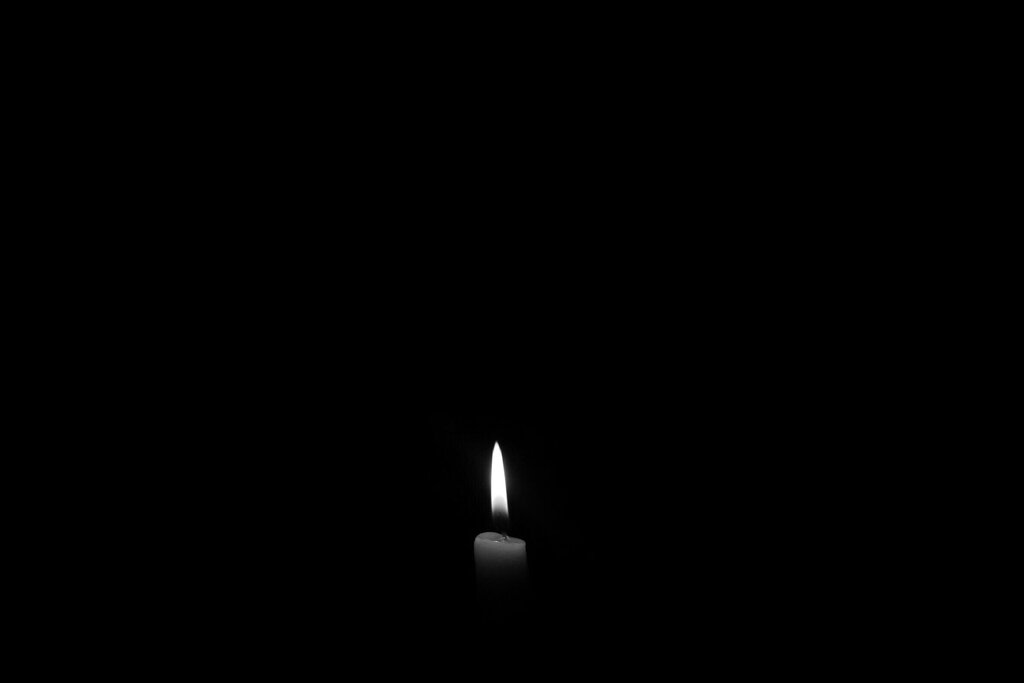
At its core, a candle is a beautifully simple invention. It's a block of solid fuel, typically wax, with a wick embedded inside. When you light the wick, the heat from the flame melts the wax near it. This liquid wax is then drawn up the wick, where the heat vaporizes it, turning it into a gas. This gas is what actually burns, creating the steady flame we see.
For thousands of years, this was one of humanity's primary sources of light after the sun went down. While we now have electric lights, the candle's purpose has evolved. It's no longer just about seeing in the dark.
The Wick and the Wax
A candle needs two key components to work: the wick and the wax. They form a self-sustaining system.
The wax is the fuel, and the wick is the delivery system.
The wick is usually made of braided cotton or another absorbent material. Its job is to pull the melted wax up toward the flame through a process called capillary action. This is the same phenomenon that allows a paper towel to soak up a spill. The wick needs to be just the right thickness; if it's too thick, it will create a large, smoky flame, and if it's too thin, the flame will be too small to melt enough wax, and it will extinguish itself.
The wax is the solid fuel. When the candle is lit, a pool of melted wax forms around the wick. This liquid is what travels up the wick to be burned. The solid wax of the candle's body acts as the container and the reserve fuel, melting gradually as the flame consumes the vaporized wax.
Modern Uses for Candles
With the flick of a switch providing instant light, candles are rarely our primary light source anymore. Instead, they've taken on new roles in our daily lives, focusing more on atmosphere and experience than pure function.
Today, candles symbolize celebration, mark romance, soothe the senses, define ceremony, and accent home decors — casting a warm and lovely glow for all to enjoy.
Common uses today include:
- Ambiance: The soft, flickering light of a candle creates a warm and cozy atmosphere that bright overhead lights can't replicate. They are a staple for romantic dinners and relaxing evenings.
- Aromatherapy: Scented candles can fill a room with pleasant fragrances, used for everything from relaxation and stress relief to masking unwanted odors.
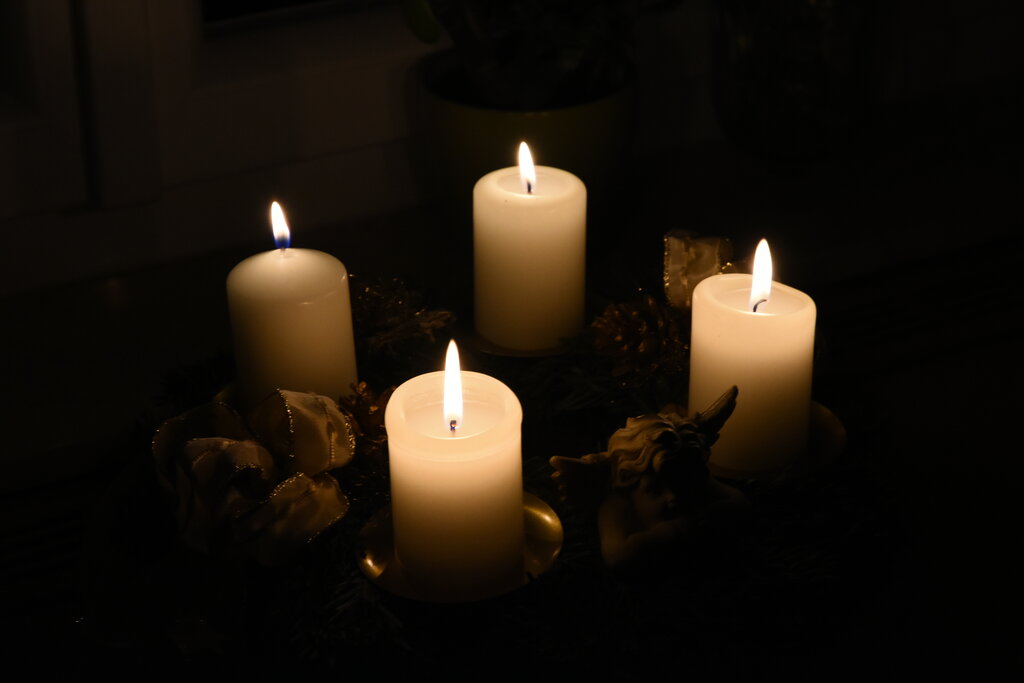
- Celebration: From birthday cakes to religious ceremonies and holiday traditions like Advent wreaths, candles are powerful symbols used to mark special occasions.
- Decoration: Even when unlit, candles serve as decorative objects that can complement the style of a room.
- Emergencies: Of course, they still serve their original purpose. A few candles are a key part of any emergency kit for when the power goes out.
So while we may no longer depend on them for light, candles have secured a lasting place in our homes and cultures.