The Fascinating History of Investing
Early Investment Practices
The First Rules of Finance
Long before stocks and bonds existed, people were already investing. The earliest forms of investment grew from a simple need: managing agricultural surplus. When a farmer grew more grain than his family needed, he could lend it to a neighbor. In return, he'd expect to get back more grain than he lent after the next harvest. This was one of the first forms of credit, with interest paid in kind.
In ancient Mesopotamia, this practice became much more formal. As cities grew, so did trade. Merchants needed capital to fund their trading expeditions, and artisans needed resources to buy raw materials. Grain and silver became standard mediums of exchange and lending. To prevent chaos and unfair practices, societies needed rules.

Around 1754 BC, King Hammurabi of Babylon established one of the first known legal codes, and it included detailed financial regulations. The Code of Hammurabi set clear limits on interest rates. If a loan was made in grain, the maximum interest rate was 33.3% per year. For loans made in silver, the rate was capped at 20%. These laws weren't just about limiting lenders; they also protected them. The code specified the responsibilities of borrowers and the consequences for failing to repay a debt, creating a stable environment for commerce.
By setting clear rules for loans and interest, the Code of Hammurabi established the trust and predictability necessary for a complex economy to function.
Roman Banking Takes Shape
Centuries later, the Roman Empire developed an even more sophisticated financial system to manage its vast economy. Trade routes crisscrossed the Mediterranean, connecting producers and consumers on an unprecedented scale. This complex network required financial specialists who could handle more than just simple loans.
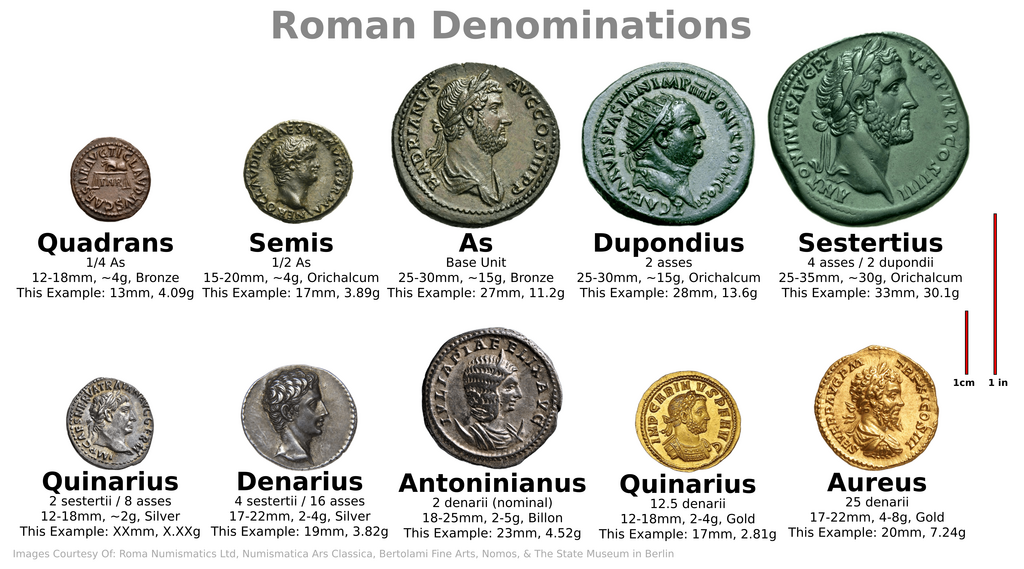
In the heart of Roman cities, particularly in the bustling Forum, a class of private bankers known as argentarii set up shop. They were more than just moneylenders. The argentarii accepted deposits, exchanged currencies, and arranged credit and loans for everything from business ventures to political campaigns. They acted as financial intermediaries, connecting people who had money with those who needed it. By keeping detailed records, or tabulae, they could also facilitate payments between clients without any physical currency changing hands, similar to a modern checking account.
Aiding them was another group of specialists called nummularii. Their primary job was to test the purity and authenticity of coins. In an era where coins were made of precious metals and could be clipped or debased, the nummularii provided an essential service, ensuring that transactions were based on fair value.
| Specialist | Primary Role |
|---|---|
| Argentarius | Full-service banker: took deposits, made loans, exchanged currency, and facilitated payments. |
| Nummularius | Money-tester: verified the metallic content and authenticity of coins. |
These ancient practices laid the groundwork for modern finance. The concepts of regulated interest, credit, and financial intermediation didn't appear overnight. They evolved over thousands of years, starting with farmers lending grain and culminating in the complex banking systems of the Roman world.
Now, let's check your understanding of these foundational financial practices.
The earliest forms of investment and credit arose from what fundamental activity?
The Code of Hammurabi established different maximum interest rates for loans made in grain versus those made in silver. This statement is:
Understanding these early systems helps us see how finance has developed over millennia.