The F-16 Fighting Falcon Explained
Introduction to the F-16
A Fighter for a New Era
The F-16 Fighting Falcon is a compact, multirole fighter jet known for its impressive performance and agility. Developed by General Dynamics, which later became part of Lockheed Martin, it was originally conceived as a lightweight air superiority day fighter. The goal was to create a smaller, more maneuverable, and more affordable alternative to the larger fighters of the era.
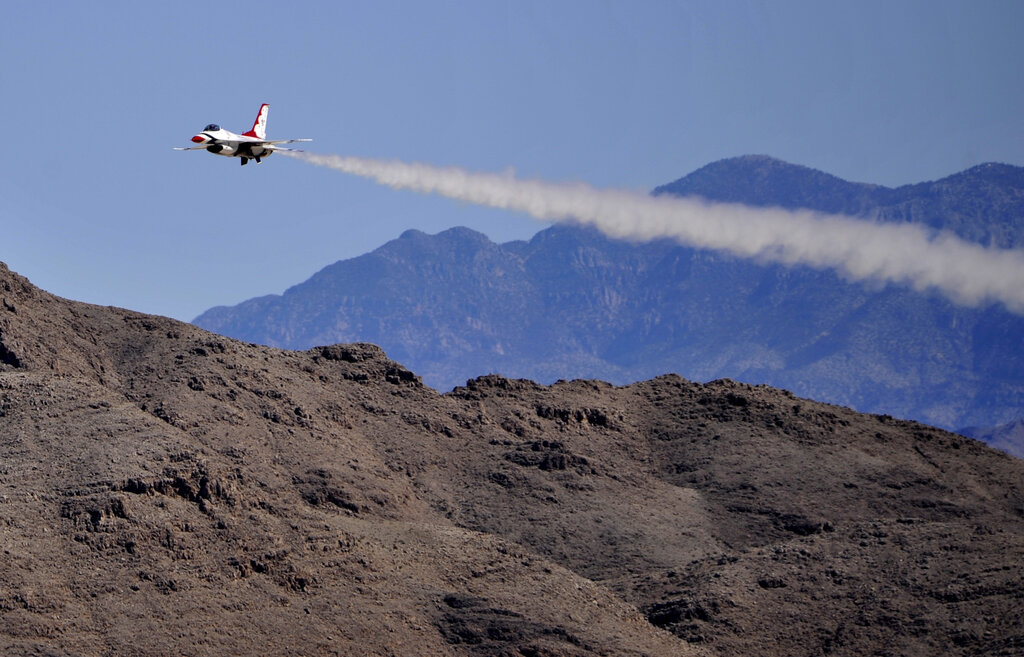
This initial focus on dogfighting excellence shaped its design. However, the F-16's adaptable airframe proved so effective that it quickly evolved. It became a highly capable all-weather multirole aircraft, able to perform a wide variety of missions beyond its original scope.
Pilot-Focused Design
Several key features make the F-16 stand out. One of the most noticeable is its frameless bubble canopy. This single piece of polycarbonate gives the pilot an unobstructed 360-degree view, a critical advantage in air-to-air combat. Inside the cockpit, instead of a traditional center-mounted control stick, the pilot uses a side-stick controller. This placement makes it easier to fly the aircraft while under high G-forces.

The F-16 was also one of the first production aircraft to feature a relaxed static stability/fly-by-wire flight control system. In simple terms, the aircraft is inherently unstable, which allows it to change direction with incredible speed. A computerized system constantly makes tiny adjustments to the flight control surfaces to keep it stable, translating the pilot's inputs into precise maneuvers.
Power and Payload
A single afterburning turbofan engine powers the F-16, pushing it to speeds over Mach 2, or twice the speed of sound. This powerful engine gives the aircraft an excellent thrust-to-weight ratio, contributing to its legendary acceleration and climbing ability.
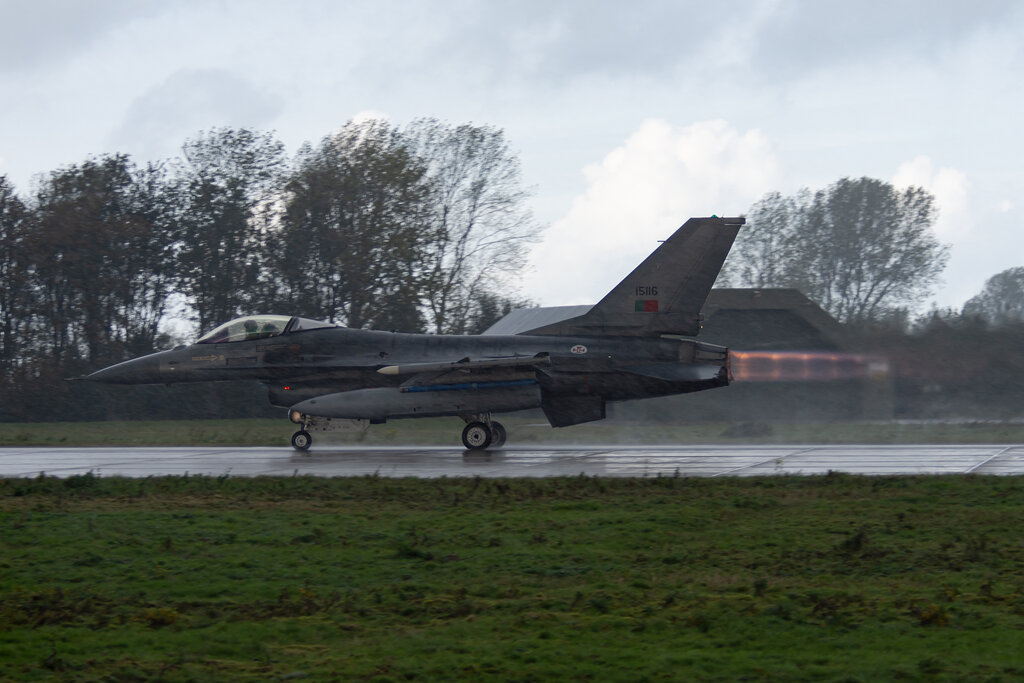
For armament, the F-16 is equipped with an internal M61 Vulcan cannon, a six-barreled Gatling-style gun capable of firing 6,000 rounds per minute. It also features numerous external hardpoints on the wings and fuselage. These stations can carry a wide array of weapons and equipment, including air-to-air missiles, air-to-ground missiles, bombs, and extra fuel tanks, allowing it to be configured for almost any mission.
A Global Success
Since entering service with the U.S. Air Force in 1978, the F-16 has become one of the most successful fighter jets in history. Over 4,600 aircraft have been built, a testament to its effective design and continuous upgrades. It has been a cornerstone of air power for the United States and remains in service with the air forces of 25 other nations around the world, proving its enduring value and versatility.