The Evolving World of Sneaker Culture
Origins of Sneakers
A Quiet Revolution for Feet
Before the mid-1800s, shoes were mostly rigid, noisy affairs made of leather. They did the job of protecting feet, but comfort wasn't their main feature. The big change came not from a shoemaker, but from an inventor working with a new material: rubber.
In 1839, Charles Goodyear developed a process called vulcanization, which heated rubber and sulfur together. This simple-sounding step was revolutionary. It transformed raw, sticky rubber into a stable, durable, and flexible material. While Goodyear was focused on tires and industrial goods, others saw potential for this new material elsewhere.
By the 1860s, manufacturers began bonding canvas tops to vulcanized rubber soles. The result was a lightweight, comfortable shoe unlike anything that had come before.
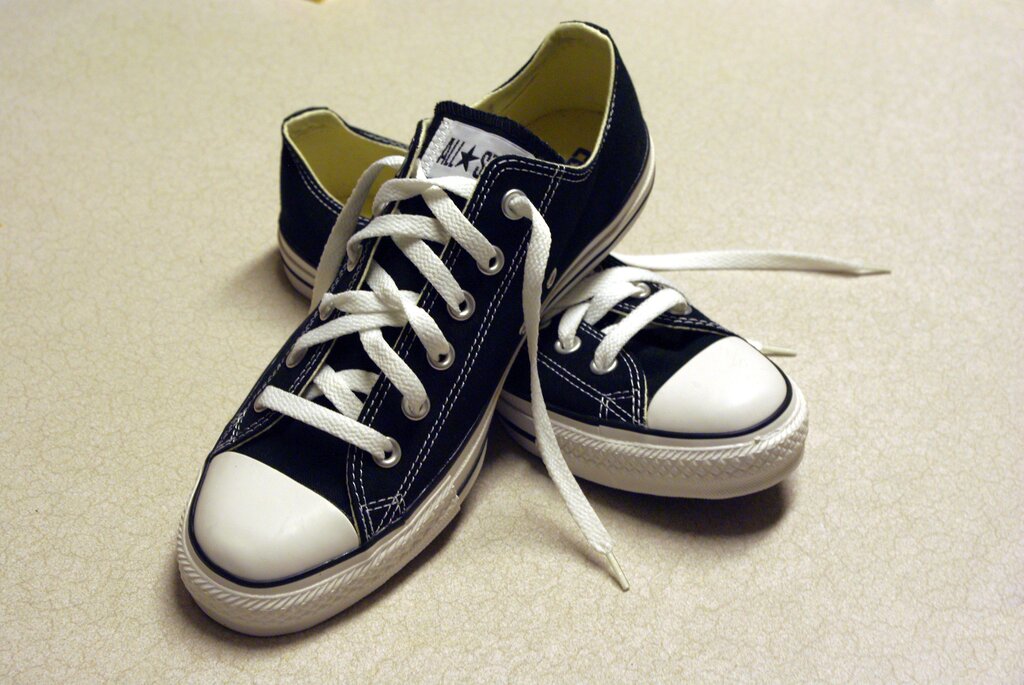
These early shoes were often called plimsolls. The name came from the colored horizontal band joining the upper to the sole, which resembled the Plimsoll line on a ship's hull. If water went above the line, your feet would get wet.
From Courts to Streets
At first, these new shoes weren't for walking down city streets. They were for leisure activities, particularly sports played by the wealthy. The soft rubber soles were perfect for tennis and croquet because they didn't tear up the grass courts. They were athletic footwear for a privileged few.
Their quiet soles also gave them their famous name. Compared to the clatter of hard leather heels on pavement, rubber-soled shoes were practically silent. You could easily “sneak” up on someone while wearing them. By the late 1880s, the term “sneakers” was born.
sneaker
noun
A soft shoe worn for sports or casual occasions.
The transition from specialized sports gear to everyday wear happened gradually. As mass production made sneakers more affordable, they started appearing off the court. Companies like the U.S. Rubber Company began marketing Keds around 1916 as casual footwear for everyone. A few years later, Converse released its All Star basketball shoe, cementing the sneaker's place in popular culture.
This shift marked a profound change in footwear. For the first time, comfort became a key reason for choosing a shoe, not just function or formal style. The sneaker wasn't just a shoe; it was a new idea about what footwear could be.
Now, let's test your knowledge on the birth of the sneaker.
What key invention by Charles Goodyear was essential for the creation of modern sneakers?
Early rubber-soled shoes were initially popular for sports like tennis because they...
The sneaker's journey from a niche athletic item to a global staple was just beginning, but its origins are rooted in a simple combination of practicality and comfort.