The Evolving Music Industry Landscape
Music Industry Overview
The Music Industry Machine
At its core, the music industry has three main players: the artist, the record label, and the distributor. Think of it like a journey. The artist creates the music, the label packages and promotes it for the trip, and the distributor builds the roads that get it to the listeners.
Artists are the creative engine. They write the songs, compose the melodies, and perform the music. Without them, there's no product.
Record labels act as the business and marketing arm. Traditionally, they discover talent, fund the recording process, handle promotion, and manage the artist's career. They invest money in an artist with the hope of a large return, much like a venture capital firm invests in a startup.
Distribution platforms are the final link in the chain. Their job is to make the music available to the public. This role has changed more dramatically than any other.
How the Money Flows
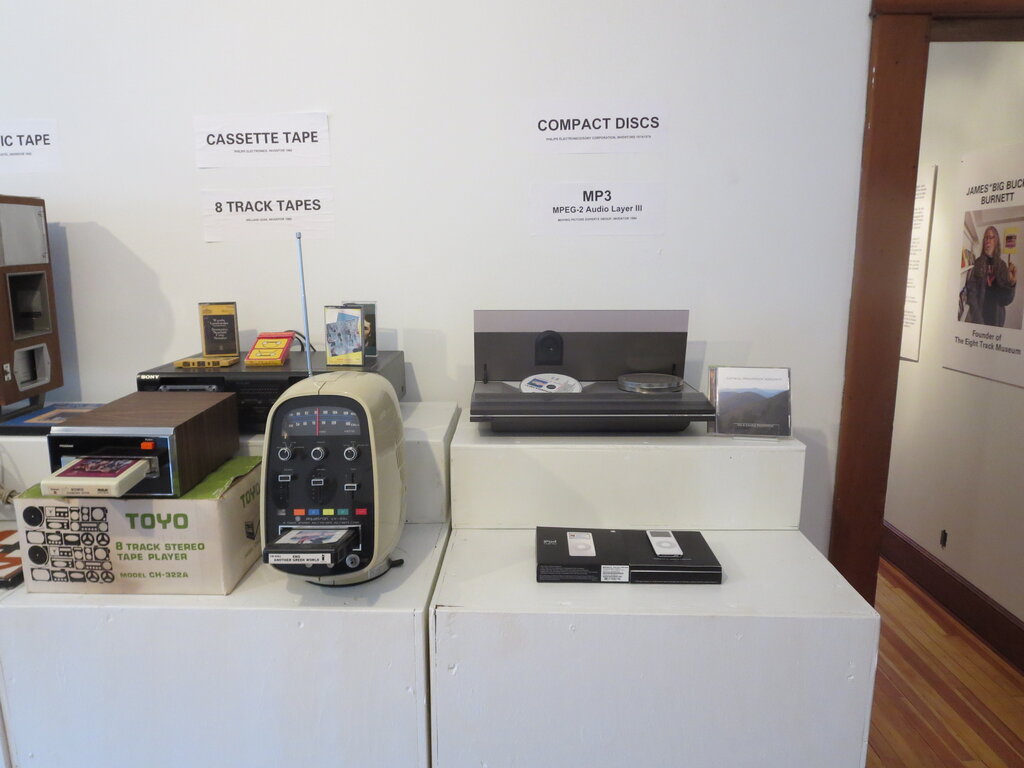
For decades, the primary way for artists and labels to make money was straightforward: sell copies of the music. This has taken a few different forms over the years.
Physical Sales: This was the king for most of the 20th century. Selling vinyl records, cassette tapes, and CDs meant that for every unit sold, a portion of the revenue went to the distributor, the retailer, the label, and finally, the artist.
Digital Downloads: With the rise of the internet, platforms like iTunes changed the game. Instead of buying a physical object, listeners could buy a digital file of a song or album. This cut out the manufacturing and shipping costs but introduced new players like Apple.
Streaming: Today, streaming is dominant. Services like Spotify, Apple Music, and YouTube Music don't sell music directly. Instead, they sell subscriptions or show ads, giving listeners access to vast libraries. Artists and labels are then paid a tiny fraction of a cent each time a song is played.
| Feature | Physical Sales | Digital Downloads | Streaming |
|---|---|---|---|
| Ownership | Buyer owns a copy | Buyer owns a file | Listener rents access |
| Primary Format | CD, Vinyl, Cassette | MP3, AAC | Digital stream |
| Artist Payout | Royalty per unit sold | Royalty per download | Royalty per stream |
A New Way to Play
Technological shifts haven't just changed how we listen to music; they've changed how it's made and sold. The rise of affordable recording software, powerful laptops, and direct-to-fan internet platforms has lowered the barrier to entry. This shift has given rise to the creator economy in music.
The creator economy refers to a system where independent creators—in this case, musicians—can produce, distribute, and monetize their work directly with their audience.
An artist can now record a song in their bedroom, upload it to a distribution service like DistroKid or TuneCore, and have it appear on Spotify and Apple Music worldwide within days. They can promote it themselves on social media and build a direct relationship with their fans.
This doesn't mean record labels are obsolete. Many artists still seek the marketing power and financial backing that a major label provides. However, the path to a music career is no longer a single road controlled by a few gatekeepers. There are now countless routes an artist can take.
Technological changes in the music industry and the ways in which consumers culturally embrace these changes are important yet overlooked components of pop song history.
This new landscape empowers artists with more control and opportunity than ever before, fundamentally changing the power dynamics of the industry.
Time to check your understanding of how the industry works.
Which of the following best describes the three core players in the traditional music industry structure?
In the analogy provided, the record label is compared to a venture capital firm because it...
The music industry continues to evolve, but its core functions of creation, promotion, and distribution remain. Understanding these pieces helps make sense of a complex and rapidly changing field.