The Evolving Music Industry and the Creator Economy
Music Industry Overview
The Music Industry Machine
At its heart, the music industry is a network of specialized roles, all working to bring a song from an idea to a listener's ears. The four core players are the artist, the record label, the publisher, and the distributor.
The artist is the creator. They write the songs and perform them. Simple enough.
The record label invests in the artist. They fund the recording process, market the album, shoot music videos, and promote the music to a wider audience. In exchange, they own the master recordings—the official, final versions of the songs.
Then there's the music publisher. This role is often confused with a record label, but it's different. A publisher's job is to manage the song's composition—the melody and lyrics. They make sure the songwriter gets paid whenever the song is used, whether it's played on the radio, featured in a movie, or covered by another artist.
Finally, the distributor is the bridge between the record label and the audience. They are responsible for getting the music into stores and onto streaming platforms. In the past, this meant shipping CDs and vinyl to retailers. Today, it’s mostly about delivering digital files to services like Spotify, Apple Music, and Amazon Music.
The Four Revenue Streams
Money flows through the industry from four main sources: recorded music, music publishing, live performance, and merchandise.
Recorded Music: This is revenue from the master recording. It includes sales of physical formats like vinyl records and CDs, digital downloads from stores like iTunes, and, most importantly, royalties from streaming services.
Music Publishing: This revenue comes from the use of the musical composition. When a song is played on the radio, used in a commercial, or streamed online, the publisher collects royalties on behalf of the songwriter.
Live Performance: This is the money generated from concerts and tours. It includes ticket sales, which often represent a significant portion of an established artist's income.
Merchandise: T-shirts, posters, hats, and other branded items sold at concerts and online. For many artists, merch is a crucial way to connect with fans and generate extra income.
It’s vital to understand the difference between recorded music and publishing revenue. They are tied to two different copyrights for every song: one for the sound recording (the master) and one for the underlying composition (the song itself).
| Category | Recorded Music | Music Publishing |
|---|---|---|
| Asset | The specific sound recording (master) | The underlying song (lyrics & melody) |
| Key Player | Record Label | Music Publisher |
| Primary Income | Sales and streaming royalties | Performance and mechanical royalties |
The Digital Revolution
For decades, the music industry's business model was stable. Labels produced physical products like vinyl records, cassettes, and CDs, and distributors sold them in stores. The rise of the internet changed everything.
First came digital downloads. Services like iTunes allowed consumers to buy songs and albums without ever stepping into a store. This shifted the industry away from physical products, but the basic model of a one-time purchase remained.
The real disruption was streaming. Platforms like Spotify and Apple Music turned music from a product you own into a service you access. Instead of paying $10 for an album, fans could pay a monthly subscription for access to nearly every song ever recorded.
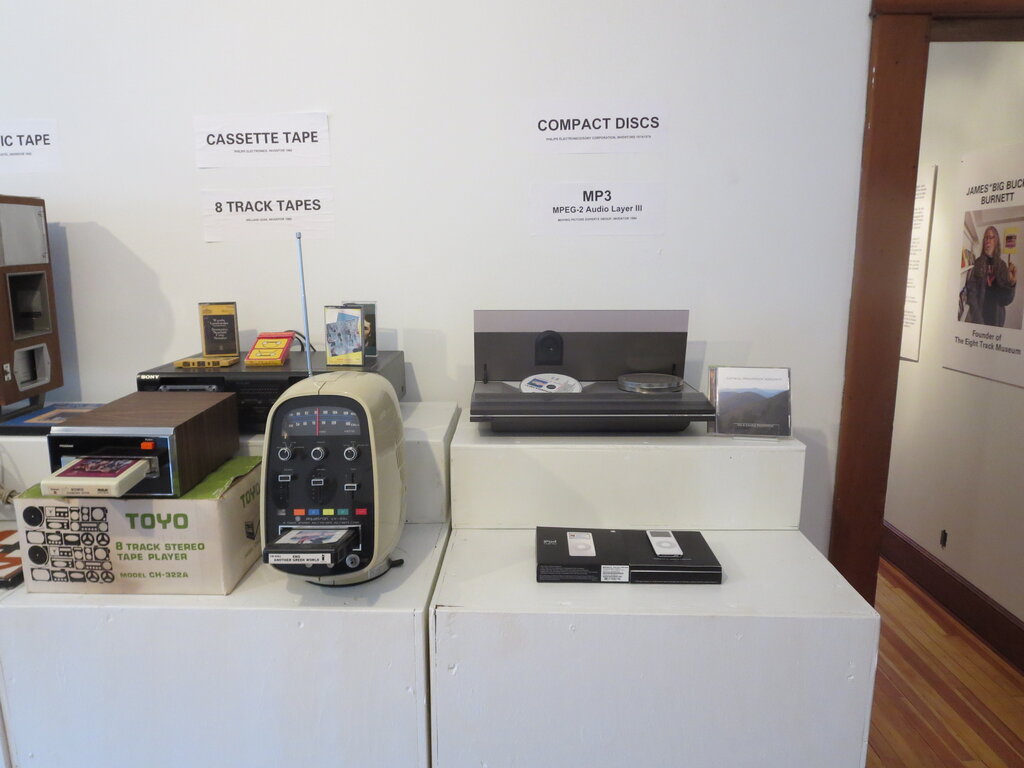
This shift fundamentally altered how artists and labels get paid. The revenue from a single album sale was replaced by fractions of a cent earned each time a song is streamed. While this created new opportunities and made music more accessible than ever, it also forced the entire industry to rethink its economic structure.
Technological changes in the music industry and the ways in which consumers culturally embrace these changes are important yet overlooked components of pop song history.
Now, let's test your knowledge of how the industry works.
Which entity is primarily responsible for managing a song's composition (the melody and lyrics) to ensure the songwriter gets paid when it's used?
A single song generates revenue from two distinct copyrights. What are they?
Understanding this structure—the players, the revenue streams, and the impact of technology—is the first step to seeing how the music world operates.