The Evolving Music Industry and Creator Economy
Music Industry Evolution
From Grooves to Gigabytes
For decades, music was something you could hold. It was a vinyl record you carefully placed on a turntable, a cassette tape you popped into a Walkman, or a compact disc (CD) you slid into a player. Each format offered a tangible connection to the artist and their work. Buying music meant a trip to a record store, and your collection was limited by the physical space on your shelves.
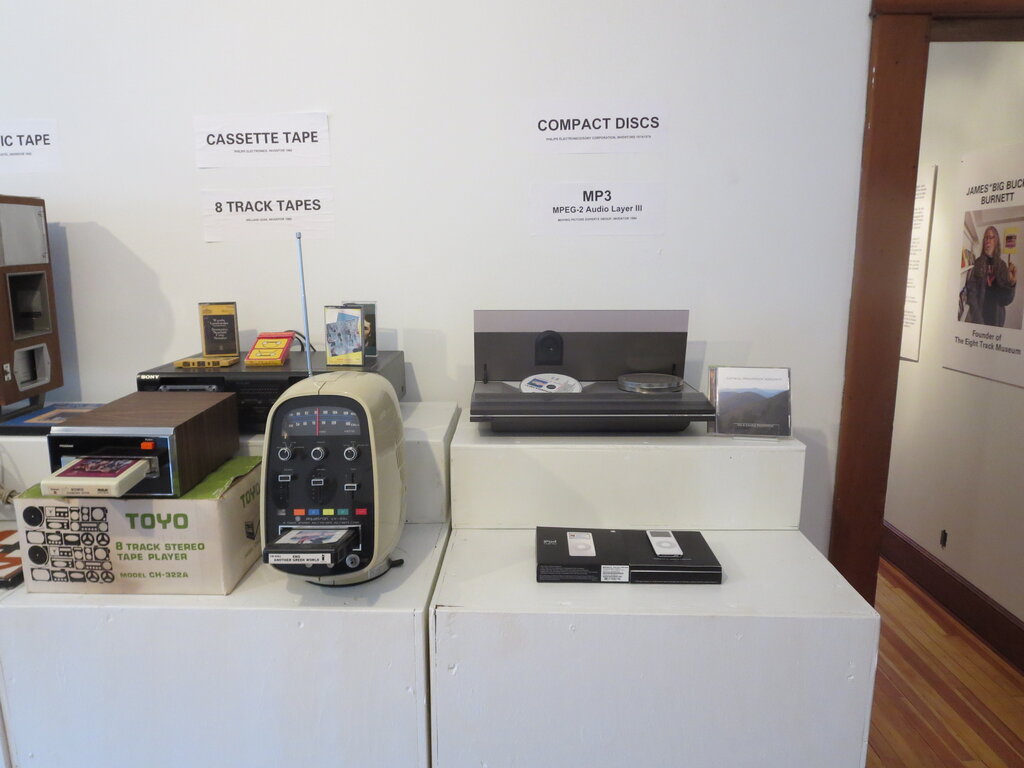
The experience was built around the album. Artists carefully sequenced tracks to create a cohesive journey from start to finish. Listeners often consumed music in this intended order, absorbing the full artistic statement. This physical era was defined by limitations: limited portability, finite collections, and distribution controlled by a handful of major record labels.
The Digital Revolution
Then came the internet. The invention of the MP3 file format in the 1990s was the spark that lit the fire. Suddenly, music could be compressed into a small digital file without a drastic loss in quality. These files were small enough to be shared online, and that changed everything.
For the first time, music was separated from its physical container. A song was no longer a disc or a tape; it was just data.
Early file-sharing platforms like Napster turned the industry upside down. Suddenly, millions of songs were available for free, completely bypassing the traditional distribution model. While this raised huge legal and ethical questions about copyright, it also showed the immense demand for digital music. The genie was out of the bottle. Listeners could access a global library of music from their desks, and artists had a potential new way to reach fans directly.
A New Marketplace
The music industry initially fought against this tide, but it soon became clear that a new, legal model was needed. Apple’s iTunes Store, launched in 2003, provided the first mainstream solution. It allowed users to purchase individual songs for 99 cents. This “à la carte” model was revolutionary. It shifted the focus from the album to the single, empowering listeners to create their own playlists and libraries.
The digital age has significantly changed how music is consumed, promoted, and monetized.
This was only the beginning. The next major shift was from ownership to access. As internet speeds increased and smartphones became common, streaming services like Spotify, Pandora, and Apple Music emerged. Instead of buying songs, listeners could pay a monthly subscription for access to a near-limitless catalog of music.
This move to streaming cemented the internet as the primary channel for music distribution and consumption. It fundamentally altered the economics of the industry and how artists connect with their audience, paving the way for even bigger changes to come.
Let's check your understanding of this digital transformation.
Before the internet, what was a defining characteristic of how people collected and listened to music?
What technological innovation was described as the "spark" that enabled music to be easily compressed and shared online?
This transition from physical media to digital streams has reshaped the entire music landscape, setting the stage for a new era of creation and distribution.