The Evolving Film Business
Film Industry Overview
From Flicker to Franchise
At the end of the 19th century, a new kind of magic flickered to life. Inventors like Thomas Edison developed devices that could capture and replay moving images. One of the earliest was the Kinetoscope, a private viewing machine. You'd peer into a peephole to watch short, simple scenes—a person sneezing, a dancer twirling. It was a novelty, a fairground attraction.
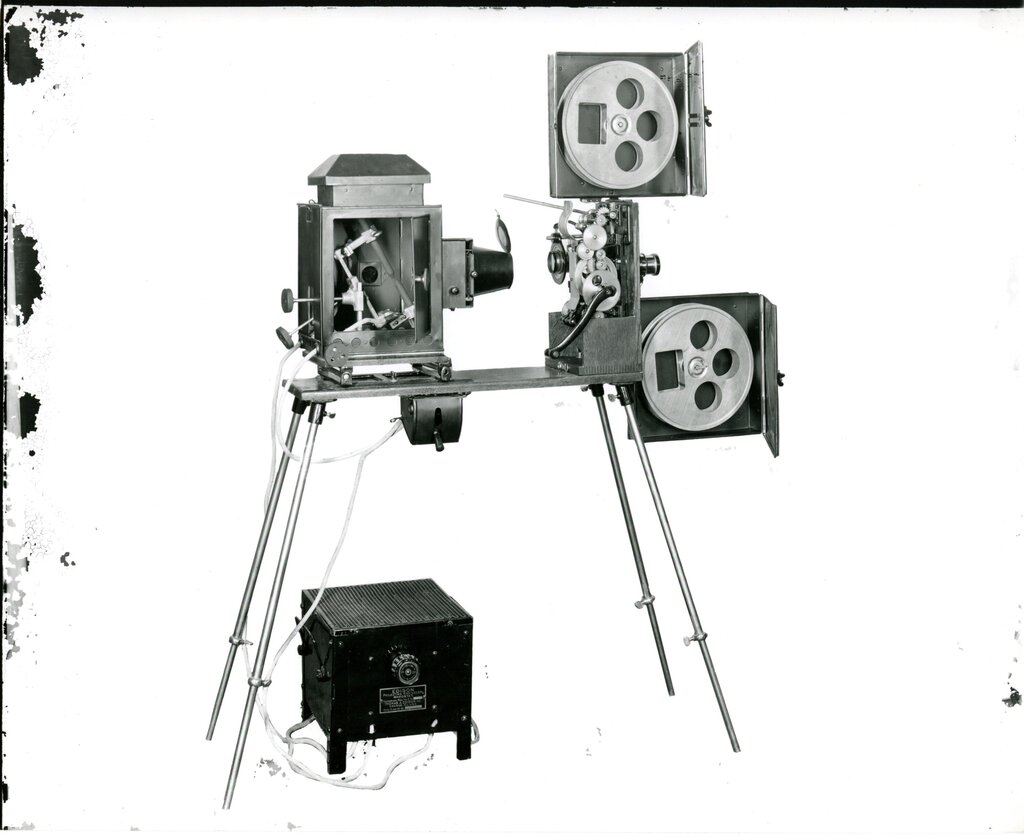
Soon, these moving pictures were projected onto screens for paying audiences, and the cinema was born. Early films were silent, often accompanied by live music. Aspiring filmmakers flocked to a sunny corner of California called Hollywood, drawn by the good weather and varied landscapes. Large companies, known as studios, quickly took control. They built vast lots, owned their own theaters, and kept actors and directors on long-term contracts. This was the birth of the studio system, a powerhouse model that would dominate American filmmaking for decades.
The Making of a Movie
Getting a film from a simple idea to your screen is a massive undertaking. The process is traditionally broken down into three fundamental stages: production, distribution, and exhibition. Each step is distinct, with its own set of challenges and goals.
Production is where the film is physically made. It starts with developing a script and securing funding. Then comes pre-production: casting actors, scouting locations, and building sets. The actual filming, or principal photography, is the most visible part of this stage. Finally, in post-production, editors assemble the footage, sound designers add audio, and visual effects artists create digital magic.
Distribution is the business of getting the finished film to the audience. Distributors are the middlemen who acquire the rights to a film from the producers. Their job is to market the movie through trailers, posters, and press tours, and to make deals with theaters to show it. They also handle releases on other platforms, like streaming services and Blu-ray.
Exhibition is the final step: showing the film. For decades, this meant exclusively playing in movie theaters, or cinemas. Exhibitors are the companies that own and operate these theaters. Today, exhibition has expanded to include a huge range of platforms, from streaming giants to on-demand cable services, bringing movies directly into our homes.

Studios vs. Indies
The film world has two main types of players: major studios and independent filmmakers. Major studios are large, corporate entities like Disney, Warner Bros., and Universal. They have vast resources, produce big-budget blockbusters, and often own their own distribution networks. Their goal is typically to create films with massive, mainstream appeal.
Independent filmmakers, or "indies," operate outside the major studio system. They work with smaller budgets and often have more creative freedom to tell unconventional or personal stories. Securing funding and distribution can be a major hurdle for indies. They often rely on film festivals like Sundance or Cannes to gain recognition and attract buyers for their movies.
| Feature | Major Studios | Independent Films |
|---|---|---|
| Budget | High ($100M+) | Low to moderate |
| Creative Control | Held by the studio | Held by the director/creator |
| Distribution | Wide, global release | Limited, festival-focused |
| Goal | Commercial success | Artistic vision, niche stories |
The Economic Impact
The film industry is more than just an art form; it's a significant global economic engine. A single blockbuster production can employ thousands of people, from A-list actors to caterers, carpenters, and accountants. This creates a ripple effect, boosting local economies where films are shot.
Beyond direct employment, the industry generates massive revenue through box office ticket sales. But the money doesn't stop there. Ancillary markets—like streaming rights, television broadcasts, merchandise, and theme park rides—often bring in far more income than the initial theatrical run. A successful film franchise can become a multi-billion dollar cultural and economic phenomenon.
From creating jobs on set to selling merchandise around the world, the film industry's economic reach extends far beyond the movie theater.
Ready to test your knowledge of how the film industry works?
What was one of the earliest devices for viewing moving images, requiring viewers to peer into a peephole?
Which stage of the filmmaking process involves marketing the film through trailers and posters, and making deals with theaters?
Let's review the key terms from this section.
From its humble beginnings as a novelty, the film industry has grown into a complex and powerful force in both culture and commerce. By understanding its core components, we can better appreciate the journey every movie takes from script to screen.