The Evolving Business of Television
Early Broadcast Models
Inventing a Business
When television first flickered to life in American homes, it was a technological marvel without a clear business plan. Early broadcasters looked to a familiar playbook: radio. Just like radio, television would be free to watch, with its costs covered by advertising. This decision shaped the industry for decades.
Three major players, all born from radio, quickly dominated the new medium: the National Broadcasting Company (NBC), the Columbia Broadcasting System (CBS), and the American Broadcasting Company (ABC). These networks owned the most powerful stations and had the money to create expensive programming, establishing an oligopoly that defined the broadcast era.
The Advertiser Is King
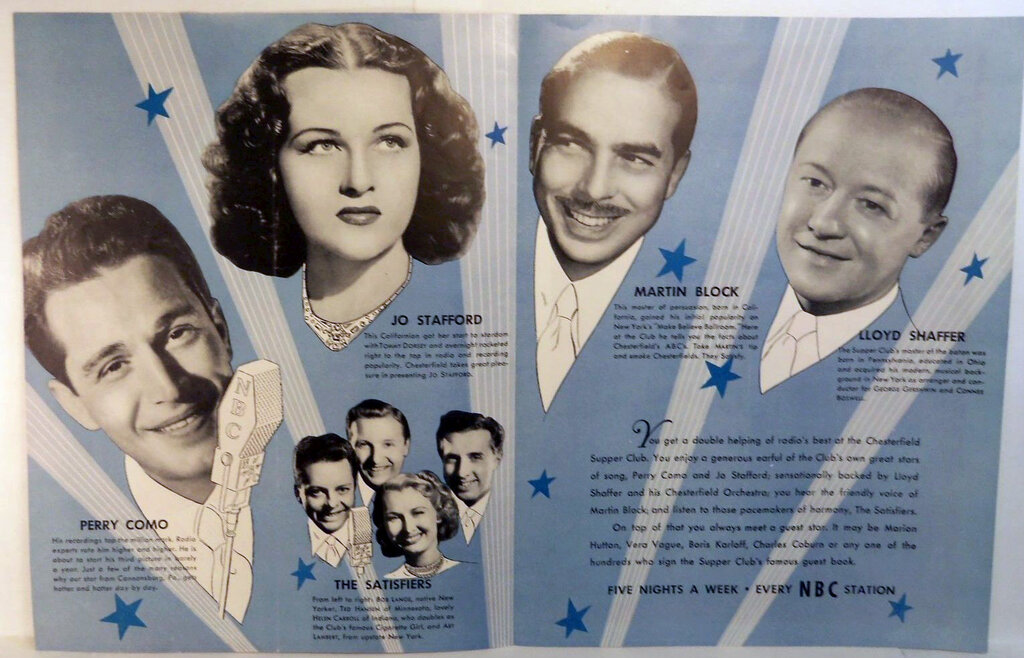
Initially, television adopted radio's single-sponsorship model. A single corporation would pay for an entire program's production costs. In return, the show was often named after them, like the Colgate Comedy Hour or the Texaco Star Theater. The advertiser's name was woven into the show itself, with hosts often promoting the product directly.
This gave advertisers immense creative control. They weren't just buying ad time; they were buying the show. Sponsors could veto scripts, demand casting changes, and ensure the program's content aligned perfectly with their brand's wholesome image. Anything deemed too controversial or edgy was quickly removed to avoid upsetting potential customers.
As television production costs soared in the late 1950s, the single-sponsorship model began to crumble. It became too expensive for one company to foot the entire bill for a high-quality series. Networks also wanted to reclaim creative control from sponsors.
The solution was the "magazine" concept. Instead of one sponsor, networks sold shorter commercial slots to multiple advertisers within a single program. This is the model we're familiar with today. It diversified the network's revenue, reduced the power of any single advertiser, and gave creative control back to the network and its producers.
The switch from a single sponsor to multiple advertisers fundamentally changed the power dynamic between networks and the companies that funded them.
Crafting the Schedule
With advertisers paying for access to viewers, the networks' main job became delivering the largest possible audience. This led to the art of programming schedules. Networks meticulously planned their lineups, creating blocks of shows to keep viewers tuned in for hours.
The concept of "prime time" emerged, referring to the evening hours (typically 8-11 PM) when the most people were watching. Networks saved their biggest, most expensive shows for these slots to maximize viewership and, in turn, charge the highest advertising rates.
The entire system operated under the eye of the government. Because the broadcast airwaves were considered a limited public resource, the Federal Communications Commission (FCC) was created to regulate them. The FCC issued licenses to stations and set basic rules they had to follow. While the FCC rarely dictated specific content, its oversight ensured that broadcasters served the "public interest, convenience, and necessity." This broad mandate influenced networks to include news programs and public affairs shows in their schedules, balancing pure entertainment with civic responsibility.
Ready to test your knowledge?
What business model did early television broadcasters borrow from radio?
Under the initial single-sponsorship model, advertisers had significant creative control over the programs they funded.
These foundational principles of advertising, scheduling, and regulation set the stage for television's growth into a cultural and economic powerhouse.