The Evolution of Pokémon and Its Iconic Characters
Origins of Pokémon
A Childhood Hobby Sparks an Idea
The idea for Pokémon didn't come from a corporate boardroom. It started with a boy named Satoshi Tajiri and his love for collecting insects. As a child in rural Tokyo, Tajiri spent his days exploring forests and ponds, catching and trading bugs with his friends. This simple joy of discovery and collection formed the core concept of what would become a global phenomenon.
As Tajiri grew up, he saw the fields and forests he loved being replaced by buildings. He wanted to give a new generation of children the same feeling of adventure he had. He envisioned a game where players could explore a world, discover strange creatures, and trade them with friends. The Nintendo Game Boy, with its portable nature and Link Cable for connecting two consoles, was the perfect platform to bring this vision to life. The trading aspect was crucial; it wasn't just about what you could find on your own, but what you could achieve by connecting with others.
The Game Freak Struggle
Tajiri founded a small game development studio called Game Freak. Bringing his creature-collecting game to life, however, was a long and arduous journey. Development of the first Pokémon games took six years, a near eternity in the fast-paced video game industry of the 1990s. The team faced constant financial hardship, and many employees had to take on side jobs to make ends meet.
During the six years it took Tajiri to finish Pokémon, GameFreak nearly went broke.
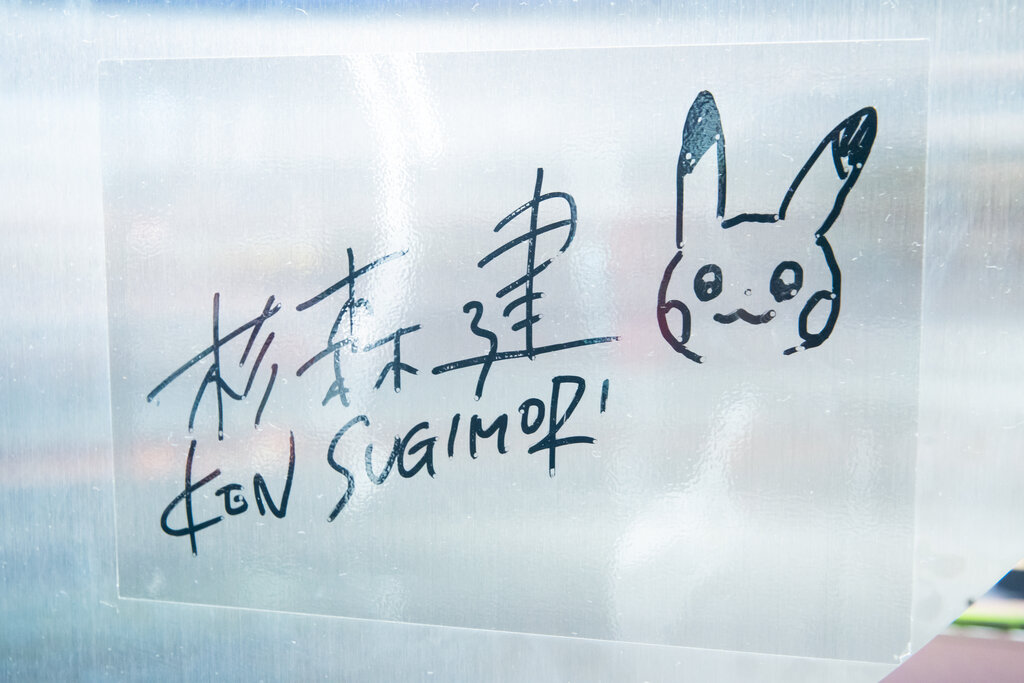
Even Nintendo, the game's publisher, was skeptical. They didn't fully grasp the concept at first and saw it as a risky project. But Tajiri and his team, including his friend and the artist who would design the original 151 creatures, Ken Sugimori, persisted. They believed in the idea of a game that encouraged exploration, collection, and social interaction.
Red and Green Take Japan
In February 1996, Game Freak finally released their creation in Japan as Pocket Monsters: Red and Pocket Monsters: Green. The launch wasn't an explosive success. Sales were modest at first. But the game had a secret weapon: word-of-mouth. Players discovered the joy of battling and, more importantly, trading Pokémon with friends to complete their collections. This social element was revolutionary and kept players engaged for months, turning the games into a slow-burning hit.
| Game | Release Date (Japan) | Platform |
|---|---|---|
| Pokémon Red | February 27, 1996 | Nintendo Game Boy |
| Pokémon Green | February 27, 1996 | Nintendo Game Boy |
The success of Red and Green had a profound impact. It single-handedly revived sales of the aging Game Boy console and established a new type of role-playing game. The unique blend of collecting, training, battling, and trading created a formula that would captivate millions and lay the foundation for a multimedia empire.
What childhood hobby of creator Satoshi Tajiri served as the primary inspiration for Pokémon?
Which feature of the Nintendo Game Boy was crucial for implementing Tajiri's vision of social interaction in Pokémon?