The Evolution of Operating Systems
Introduction to Operating Systems
The Computer's Conductor
Think of an operating system (OS) as the conductor of an orchestra. The hardware components—the processor, memory, and storage—are the musicians. The software applications you use, like a web browser or a game, are the sheet music. By itself, the sheet music is just paper, and the musicians are just waiting for direction. The conductor brings it all together, telling each musician when to play, how loudly, and for how long, creating a harmonious performance.
An operating system is the master software that manages all the hardware and software on a device. Without it, your computer or phone would be a useless collection of electronics. It's the essential intermediary that translates your commands into actions the hardware can understand.
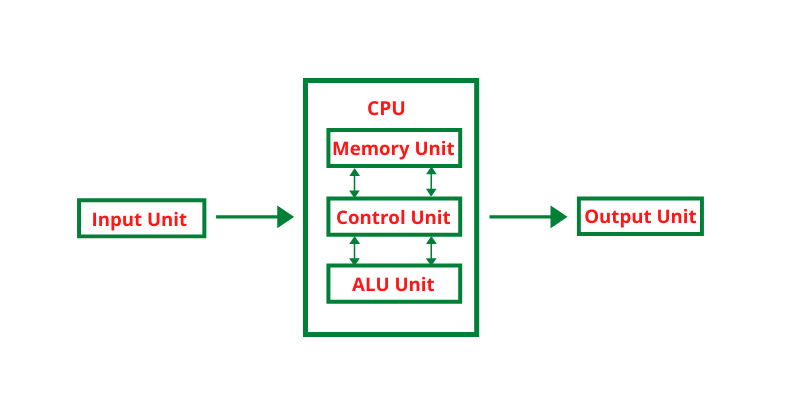
The primary purpose of an operating system is to allow multiple programs to run at the same time without interfering with one another.
Inside the OS
While an operating system is complex, we can understand it by looking at its three core components.
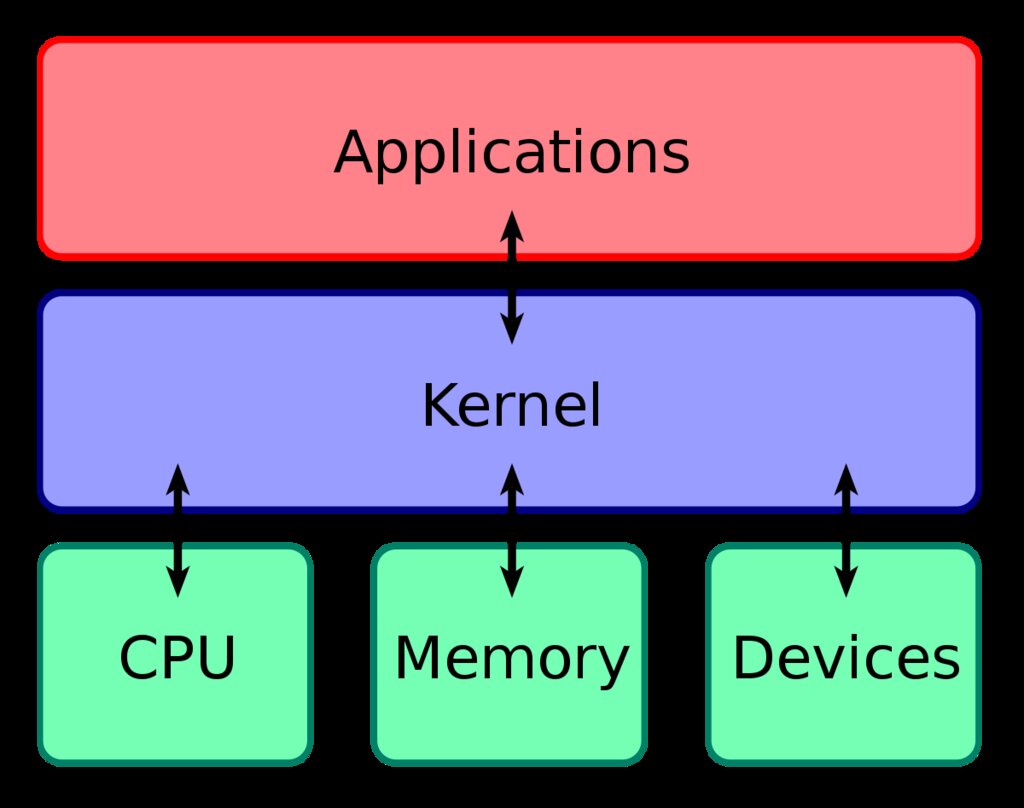
Kernel
noun
The central component of an operating system that manages the operations of the computer and hardware. It is the core that provides basic services for all other parts of the OS.
The kernel is the heart of the operating system. It has complete control over everything in the system. When your computer starts up, the kernel is one of the first things to load, and it stays running until the computer shuts down. It handles the most fundamental tasks, like managing the CPU's time and communicating with devices like your keyboard and mouse.
Next is the User Interface (UI), which is everything you see and interact with. Early computers used a Command-Line Interface (CLI), where users typed text commands to get things done. Today, most devices use a Graphical User Interface (GUI), filled with icons, windows, and menus that you can click with a mouse or tap with a finger. The UI is your gateway to the OS's power.
Finally, we have System Utilities. These are small, specialized programs that perform maintenance and management tasks. Think of disk formatters, file managers, and system monitoring tools. They aren't the main applications you use, but they help keep the system running smoothly.
The OS at Work
The operating system is constantly juggling several critical tasks to ensure your computer works efficiently. Let's look at its main jobs.
Process Management: A program that's currently running is called a process. If you have a browser, a music player, and a word processor open, you have multiple processes running. The OS's job is to manage these processes, deciding which one gets to use the CPU and for how long. It rapidly switches between them, creating the illusion that they're all running simultaneously.
Memory Management: Your computer's memory (RAM) is like a shared workspace. The OS acts as the workspace manager. It allocates a specific chunk of memory to each process and ensures that no process can access the memory of another. This prevents programs from crashing each other. When you close an application, the OS reclaims that memory, making it available for the next task.
File Systems: Every piece of data on your computer—documents, photos, applications—is stored as a file. The operating system creates a structure, the file system, to organize these files. It's like a digital filing cabinet, with folders (or directories) that let you store and find your data logically. The OS handles all the low-level details of reading data from and writing data to a storage device like a hard drive or SSD.
| Function | Analogy | What it Does |
|---|---|---|
| Process Management | A traffic cop | Directs which program can use the CPU and for how long. |
| Memory Management | A librarian | Assigns memory space to programs and keeps them separate. |
| File Systems | A filing cabinet | Organizes data into files and folders for easy retrieval. |
These functions are why an operating system is so important. It provides a layer of abstraction, hiding the messy, complex details of the hardware. Application developers don't need to know how to talk to a specific brand of hard drive; they just tell the OS to save a file, and the OS handles the rest. This makes it easier to create software and ensures that programs can run on a wide variety of hardware.
Ready to test your knowledge?
In the analogy of an operating system as an orchestra conductor, what do the software applications represent?
What is the primary role of the kernel in an operating system?
In essence, the operating system is the unsung hero of computing, working tirelessly behind the scenes to make our digital lives possible.