The Evolution of Modern Art
Introduction to Modern Art
Breaking the Rules
For centuries, the goal of Western art was clear: to create a perfect, realistic copy of the world. Artists studied anatomy and perspective to make their paintings and sculptures look as lifelike as possible. Success meant capturing reality.
Then, in the late 19th century, something changed. A new wave of artists began to question these old rules. They were less interested in showing what the world looked like and more interested in showing how it felt. This was the beginning of Modern Art.
Modern Art isn't about realistic depiction. It's about personal expression, experimentation, and seeing the world through a new lens.
This was a radical shift. The invention of photography in the 1830s played a big part. If a camera could capture a perfect image of a person or a landscape, what was the painter's job? Many artists felt free to explore color, form, and emotion in ways that a camera couldn't. Instead of painting a tree to look exactly like a tree, a modern artist might use exaggerated colors to show the feeling of standing under its branches.
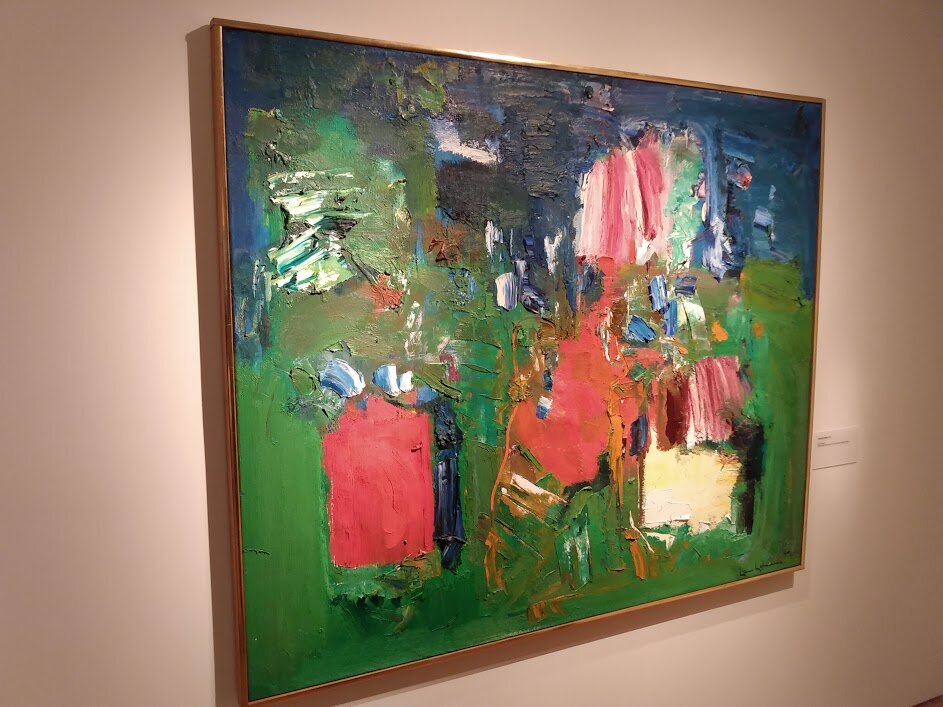
The contrast with pre-modern art is stark. Think of a Renaissance portrait, where every detail is rendered with precision. Now picture an early modern painting, where the brushstrokes are visible and the colors might not be true to life. The focus moved from the subject of the artwork to the artist's unique vision of that subject.
| Pre-Modern Art | Modern Art | |
|---|---|---|
| Goal | Realistic representation | Personal expression |
| Subject | History, mythology, religion | Everyday life, emotions, ideas |
| Style | Polished, detailed, follows rules | Experimental, abstract, breaks rules |
| Focus | The subject being depicted | The artist's interpretation |
A Timeline of Change
Modern Art isn't a single style, but a period of intense creativity and change that lasted roughly from the 1860s to the 1970s. It began with movements like Impressionism, where artists left the studio to capture the fleeting effects of light and atmosphere outdoors. This opened the door for even bolder experiments.
Artists started to deconstruct reality, breaking it down into basic shapes and colors. This led to abstraction, where art might not represent anything in the recognizable world at all. Instead, it focused on composition, color, and form for their own sake.
abstraction
noun
Art that does not attempt to represent an accurate depiction of a visual reality but instead uses shapes, colours, forms and gestural marks to achieve its effect.
This period saw an explosion of different "-isms": Fauvism, Cubism, Surrealism, Expressionism, and many more. Each movement had its own ideas, but they all shared a common desire to push the boundaries of what art could be.
They used new materials and techniques, inspired by a rapidly changing world of industrial growth, scientific discovery, and global conflict. Modern art reflects the excitement, anxiety, and dynamism of this new era.
Now that you have a sense of what makes modern art different, let's test your knowledge.
What was the primary goal of Western art for centuries before the rise of Modern Art?
Which 19th-century invention prompted many artists to question the purpose of realistic painting?
Understanding this fundamental shift from representation to expression is the key to appreciating the diverse and exciting world of modern art.