The Evolution of Dinosaur Flight
Theropod Evolution
The First Birds
When you picture a dinosaur, you might think of a towering Tyrannosaurus rex or a swift Velociraptor. Both belong to a group called theropods, which were bipedal, mostly carnivorous dinosaurs that dominated the Mesozoic Era. But the theropod story doesn't end with extinction. If you look out your window and see a sparrow or a pigeon, you are looking at a modern-day theropod. Birds are living dinosaurs.
The scientific consensus is clear: birds evolved from a group of small, feathered theropod dinosaurs.
This incredible evolutionary journey involved a series of gradual changes to the classic dinosaur body plan. These weren't sudden leaps, but small adaptations over millions of years that eventually gave rise to the powered flight we see in birds today. Let's explore the key changes that turned a ground-running predator into a master of the skies.
More Than Just Scales
One of the most defining features of birds is their feathers. For a long time, scientists thought feathers evolved specifically for flight. However, fossil discoveries have completely changed that picture. We now know that many theropod dinosaurs, including ancestors of T. rex, had feathers.
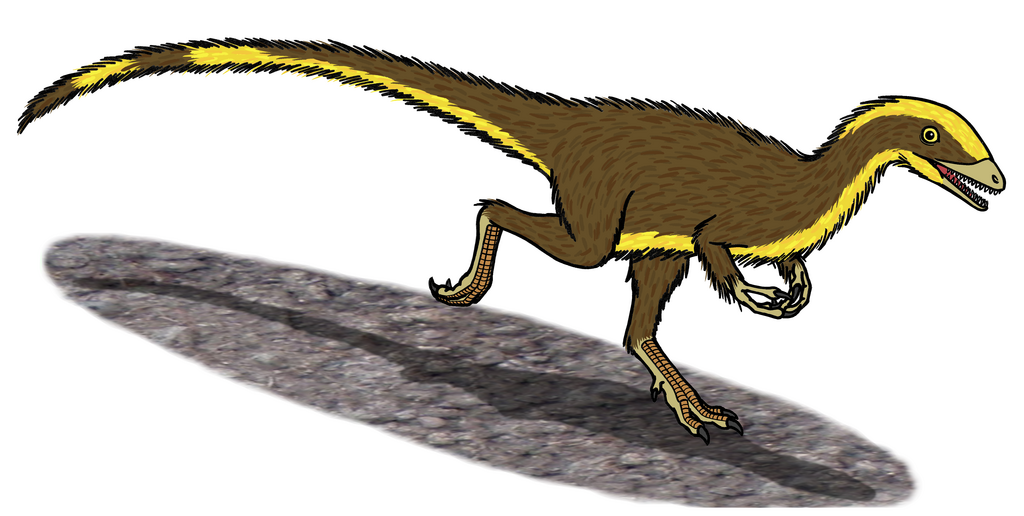
The earliest feathers were simple, hair-like filaments. They likely served a different purpose entirely.
The first feathers must have therefore evolved for something else, probably to keep these small dinosaurs warm.
Small dinosaurs had a large surface area compared to their volume, making it harder to stay warm. A fuzzy coat would have been a huge advantage. Over time, these simple filaments evolved into more complex structures. Some dinosaurs developed brightly colored, elaborate feathers, likely used for display to attract mates or intimidate rivals, much like a peacock uses its tail today. The complex, asymmetrical feathers needed for flight came much later.
A New Body Plan
Becoming flight-ready required more than just feathers. The entire skeleton of some theropods began to change, becoming lighter and more specialized. Many theropod bones were hollow, reinforced with internal struts, a feature shared with modern birds that reduces weight without sacrificing strength.
Key changes also happened in the limbs. Theropods like Velociraptor had a wishbone, or furcula, which in modern birds acts as a spring to power the flight stroke. Their wrists also contained a special half-moon shaped bone called the semilunate carpal. This bone allowed for a unique swiveling motion, which would later become critical for flapping wings.
These skeletal changes were part of a larger shift in body size and balance. The theropods that gave rise to birds were generally small, agile predators. This small size was a crucial pre-adaptation for flight, as getting a smaller body off the ground requires much less energy.
Powering the Machine
Flight is incredibly energy-intensive. A cold-blooded, reptilian metabolism simply can't provide the sustained power needed to fly. This suggests that the ancestors of birds were becoming warm-blooded, or endothermic.
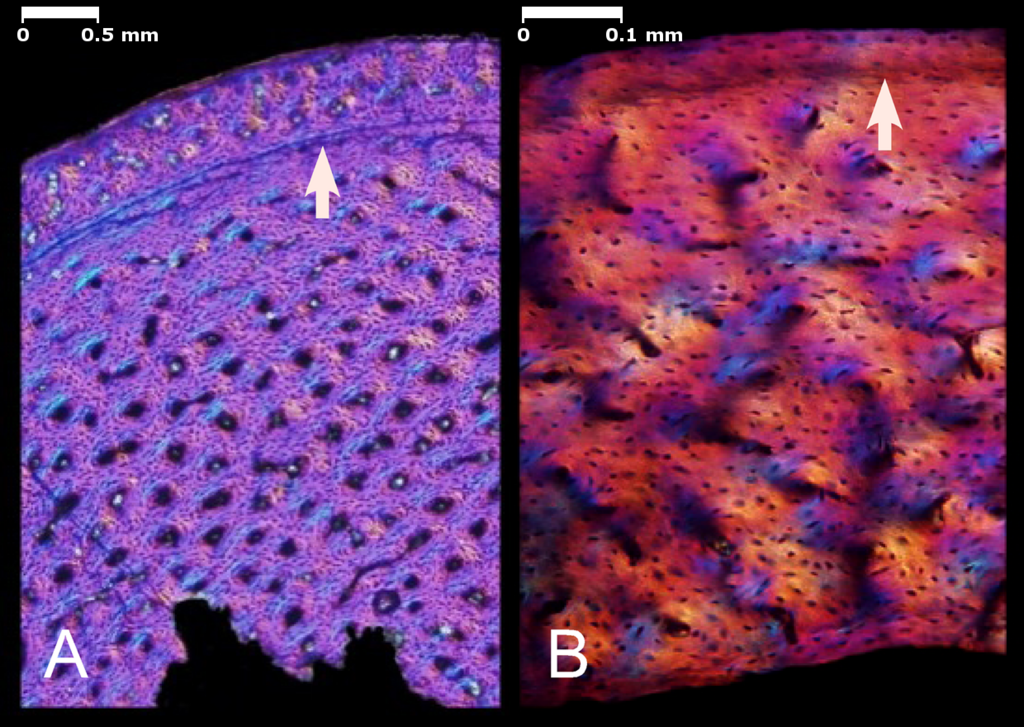
Evidence for this metabolic shift comes from studying the microscopic structure of dinosaur bones. The bones of many theropods show signs of rapid, continuous growth, similar to that of modern birds and mammals. They lack the distinct lines of arrested growth (LAGs) that are common in cold-blooded animals, whose growth slows or stops during cold seasons. A high metabolism would not only support an active, predatory lifestyle but also provide the necessary warmth that made insulation (feathers) so beneficial.
A famous fossil called Archaeopteryx, discovered in Germany in the 1860s, beautifully captures this transition. It had a mix of features: the toothed jaw, clawed fingers, and long bony tail of a dinosaur, but also the fully formed wings and flight feathers of a bird. It was a snapshot of evolution in action, showing how a ground-dwelling theropod had become something entirely new.
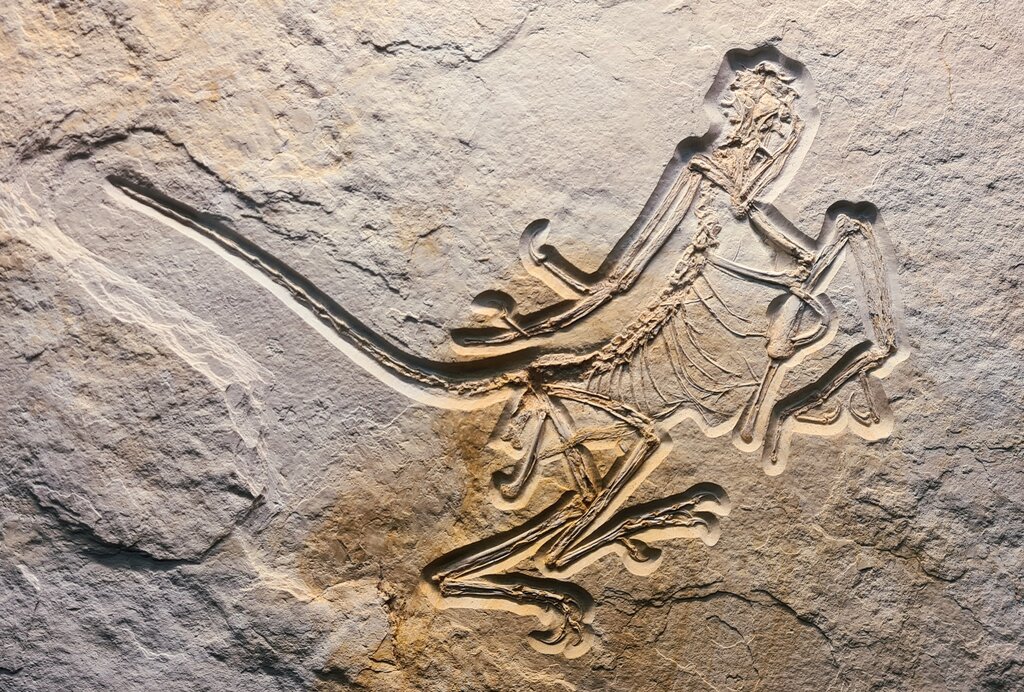
The evolution from theropod to bird is one of the best-documented transitions in the fossil record. Through feathers, lightweight skeletons, and a supercharged metabolism, a group of dinosaurs didn't just survive the asteroid impact 66 million years ago, they thrived, diversifying into the more than 10,000 species of birds we see today.
According to modern scientific understanding, what was the most likely original purpose of the earliest, simple feathers on theropod dinosaurs?
Which of the following skeletal features, crucial for the eventual development of flight, were present in non-avian theropods like Velociraptor?