The Evolution of Art Post-Impressionism
Introduction to Post-Impressionism
Beyond the Impression
By the late 1880s, some artists felt that Impressionism, with its focus on capturing fleeting moments of light and nature, had run its course. They had mastered its techniques but found them limiting. They wanted to create art that was more substantial, expressive, and personal. This reaction sparked the birth of Post-Impressionism.
Post-Impressionism isn't a single, unified style. Instead, it’s a term that covers a wide range of artistic approaches that emerged from Impressionism. Artists like Vincent van Gogh, Paul Cézanne, and Paul Gauguin all started as Impressionists. But they pushed beyond its boundaries, seeking to infuse their work with emotion, structure, and symbolic meaning that they felt was missing.
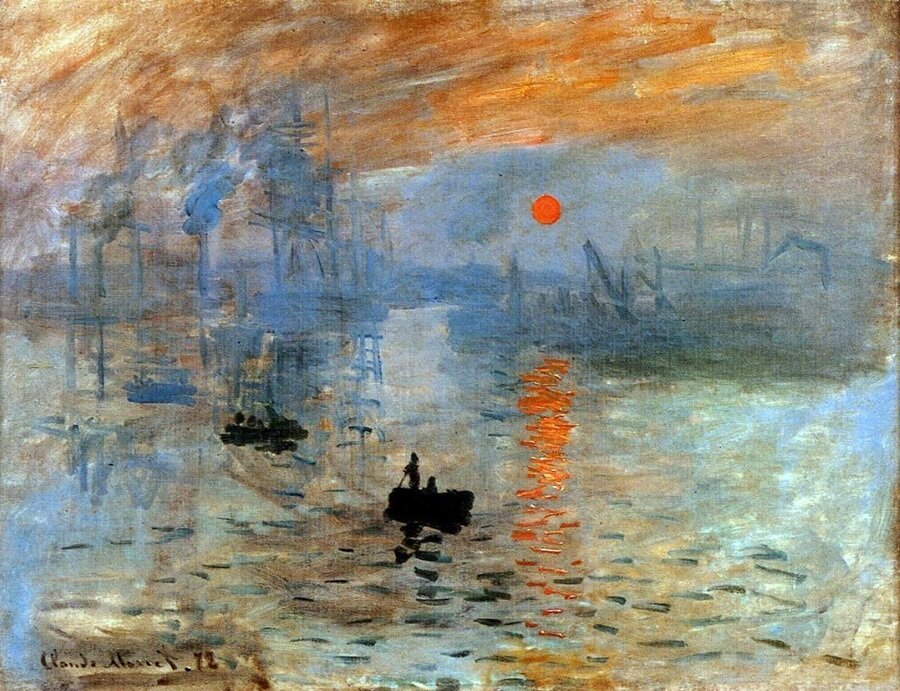
While Impressionists aimed to paint what they saw, Post-Impressionists painted what they felt. They continued to use the bright colors and visible brushstrokes of Impressionism, but they used them differently. Color could be exaggerated and unnatural to express emotion, and forms could be distorted to convey an idea. They weren't just capturing an impression of a scene; they were interpreting it.
A New Set of Rules
The key difference between the two movements lies in their artistic goals. Impressionists were objective observers of the world, while Post-Impressionists were subjective interpreters. They re-introduced strong lines, solid forms, and clearer compositions that Impressionism had dissolved in its quest to capture light.
| Feature | Impressionism | Post-Impressionism |
|---|---|---|
| Goal | Capture a fleeting moment or 'impression' | Express emotions and symbolic ideas |
| Color | Naturalistic, based on perceived light | Often unnatural and emotionally driven |
| Form | Soft, indistinct forms, dissolved by light | Solid, defined forms and clear structure |
| Emphasis | Objectivity, visual sensation | Subjectivity, personal expression |
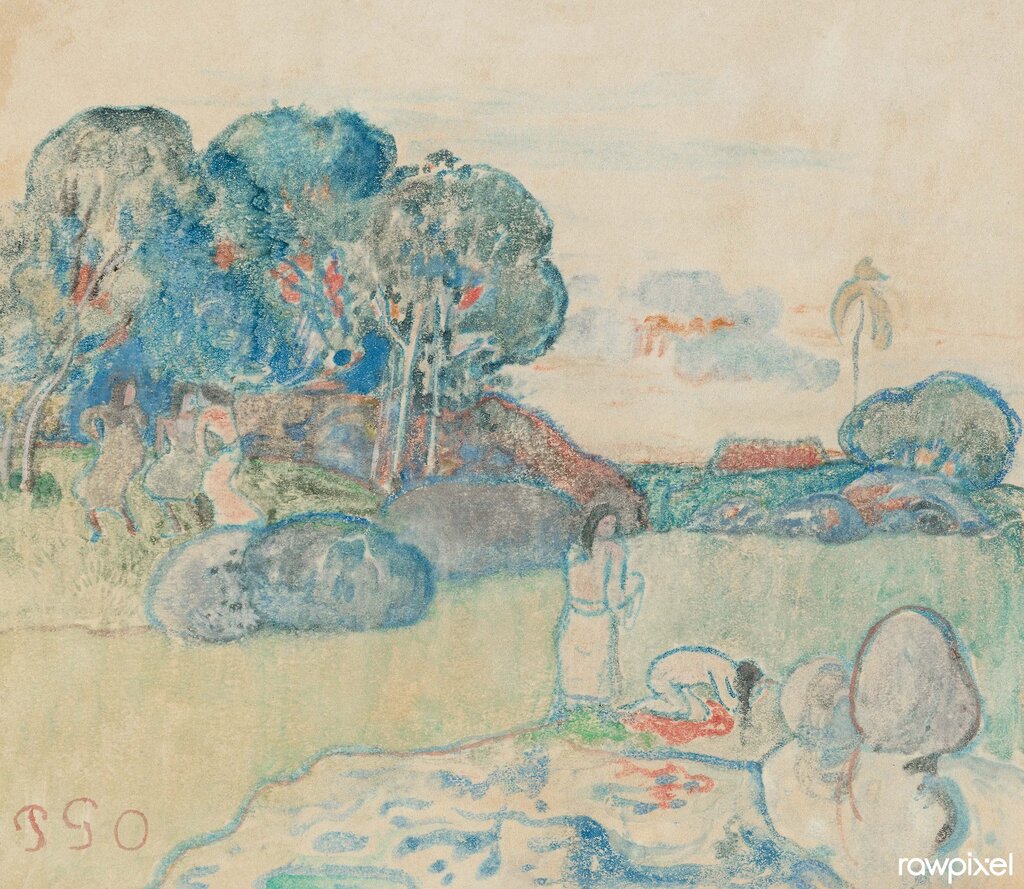
This shift led to a variety of new styles. Some artists, like Georges Seurat, developed a scientific approach with tiny dots of color called Pointillism. Others, like Paul Gauguin, used flat areas of bold color and strong outlines, a style known as Synthetism, to convey symbolic meaning.
Paving the Way for Modern Art
Post-Impressionism served as a crucial bridge between the naturalism of Impressionism and the radical art of the 20th century. By prioritizing personal vision over objective reality, these artists opened the door to greater abstraction. Their experiments with form, color, and emotion directly influenced the next wave of revolutionary art movements.
By 1910 styles such as Fauvism, Expressionism, and Cubism had become popular within Europe, and “each new development in these major movements was built upon the symbolism and structure advocated by the different Post-Impressionist styles” (“Post-Impressionism,” 2014), showing just how influential this art style, with it’s emphasis on emotions and symbolism, really was.
The Fauvists took the Post-Impressionists' bold, arbitrary use of color even further. The Cubists, inspired by Cézanne's geometric breakdown of objects, shattered traditional perspective. The Expressionists embraced the focus on intense inner feeling. In essence, the freedom that Post-Impressionist artists claimed for themselves became the foundation for modern art.
Ready to check your understanding?
What is the primary philosophical difference between Impressionism and Post-Impressionism?
Which of the following techniques from Impressionism did Post-Impressionist artists continue to use, but often in a new, more expressive way?
By moving beyond simple observation, Post-Impressionism changed the purpose of art itself, setting the stage for a century of artistic experimentation.