The European Union Explained
Introduction to the European Union
From Ashes to Alliance
After two devastating world wars, Europe was desperate for a lasting peace. The continent's leaders recognized that economic cooperation was the surest way to prevent future conflict. If countries depended on each other for essential resources, they would be far less likely to go to war.
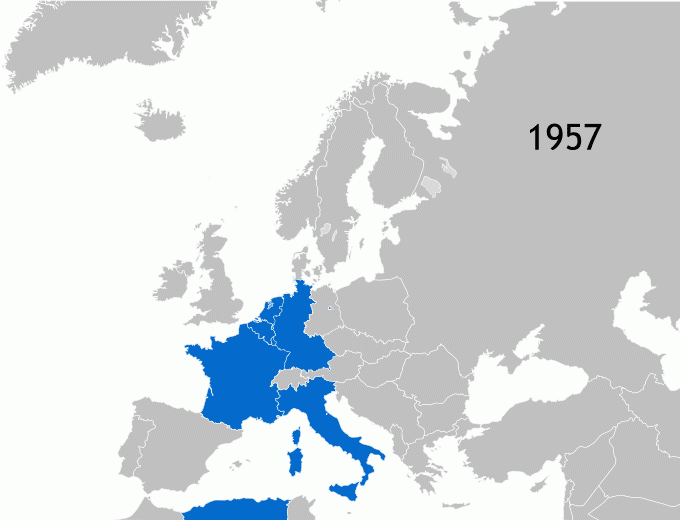
This idea led to the creation of the European Coal and Steel Community (ECSC) in 1951. Six countries—Belgium, France, West Germany, Italy, Luxembourg, and the Netherlands—agreed to pool their coal and steel production under a common authority. By linking their key industries of war, they made conflict between them, especially between France and Germany, materially impossible.
The success of the ECSC proved that deeper integration was possible. The six founding members decided to expand their cooperation to cover their entire economies.
Building a Common Market
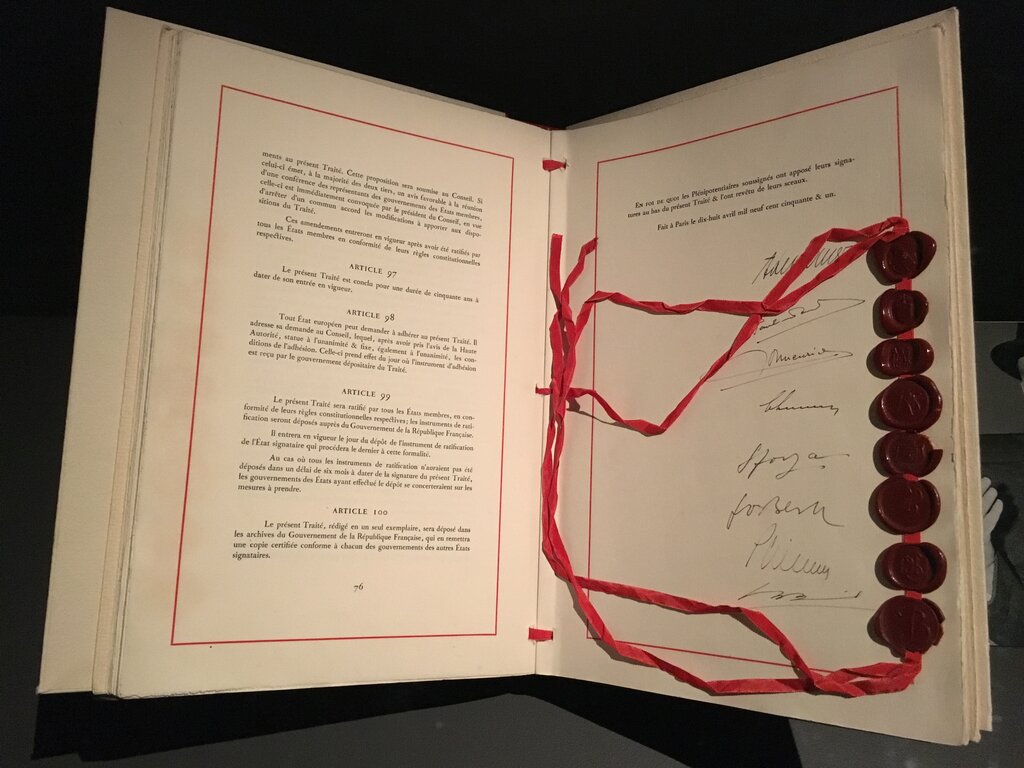
In 1957, the same six nations signed the Treaty of Rome, establishing the European Economic Community (EEC). This was a major leap forward. The treaty's goal was to create a "common market"—a single economic area where goods, services, capital, and people could move freely. This removed trade barriers like tariffs and quotas, allowing businesses and citizens to operate across borders with ease.
Over the following decades, the EEC grew in size and scope. More countries joined, drawn by the promise of peace and economic prosperity. The community began to cooperate in new areas, such as environmental protection and foreign policy.
This evolution culminated in the formation of the European Union (EU) in 1993. The EU is a unique political and economic partnership that has grown to include 27 member countries. Its purpose extends beyond just economics to include promoting democracy, human rights, and the rule of law both within Europe and on the global stage.
The Rules of the Union
The EU operates on a framework of treaties agreed upon by all its members. The Treaty of Lisbon, signed in 2007 and effective from 2009, is the most recent major agreement. It updated the EU's institutions to make them more efficient, democratic, and transparent. It clarified who does what, gave more power to the European Parliament, and gave citizens a greater say in decision-making.
To ensure the EU doesn't overstep its authority, its actions are guided by two fundamental principles.
Subsidiarity
noun
The principle that the EU should only act in areas where it can be more effective than national, regional, or local governments. Decisions are taken as closely as possible to the citizen.
This means that if a local or national government can handle an issue effectively, the EU stays out of it. It only steps in when a problem, like cross-border pollution or trade regulation, requires a coordinated European approach.
Proportionality
noun
The principle that any action taken by the EU should not go beyond what is necessary to achieve the objectives of the Treaties.
This principle acts as a check on the EU's power. It ensures that the solutions the EU proposes are tailored to the problem and don't create unnecessary burdens for businesses or national governments. Together, these principles maintain a balance between the authority of the EU and the sovereignty of its member countries.
Now, let's test your understanding of the EU's foundation.
What was the primary motivation for the initial steps toward European integration after World War II?
The first organization, founded in 1951, pooled the production of which two key resources for war-making?
From a small community focused on coal and steel, the EU has grown into a major global actor, built on a foundation of treaties and guiding principles that balance shared goals with national independence.