The European Commission Explained
Introduction to the European Union
From Ashes to Alliance
After World War II, Europe was in ruins. To prevent such devastation from ever happening again, leaders sought a new path. The core idea was simple but radical: link European countries so closely, especially economically, that war between them would become unthinkable.
This vision led to the creation of the European Coal and Steel Community (ECSC) in 1952. Six countries—Belgium, France, Germany, Italy, Luxembourg, and the Netherlands—agreed to pool their coal and steel resources. By managing these key ingredients of war together, they created a powerful incentive for peace.
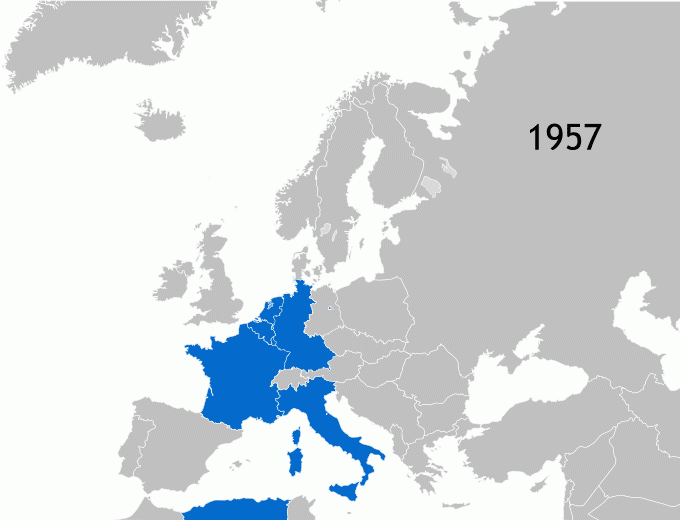
This initial partnership was a huge success. In 1957, the same six countries signed the Treaty of Rome, creating the European Economic Community (EEC). This expanded cooperation to other economic sectors, establishing a "common market."
Over the decades, more countries joined, and cooperation deepened. The organization evolved, and with the Maastricht Treaty in 1993, it was officially renamed the European Union. This treaty laid the groundwork for the single currency, the euro, and expanded collaboration into areas like foreign policy and security.
Why the Union?
The EU's fundamental purpose remains rooted in its founding ideals, but its objectives have grown. Today, the union works to promote peace, uphold its shared values, and improve the well-being of its citizens.
Key EU goals include offering its citizens freedom, security, and justice, fostering sustainable development, and promoting scientific and technological progress. It also aims to respect Europe's rich cultural diversity and ensure the economic and monetary union, with the euro as its currency.
A central pillar of the EU is its single market. This isn't just about trade; it's built on four fundamental freedoms:
- Free movement of goods: Products can be sold anywhere in the EU without customs duties or quantitative restrictions.
- Free movement of capital: Citizens can invest their money in any member state.
- Freedom to establish and provide services: Companies and self-employed individuals can offer their services across the EU.
- Free movement of persons: Citizens can live, work, study, or retire in any EU country.
Who's in Charge?
The EU is not a single entity but a unique partnership between its member countries. To manage this complex collaboration, it relies on several key institutions, each with a distinct role.
European Parliament
noun
Represents the EU’s citizens and is directly elected by them. It debates and passes European laws, alongside the Council of the European Union, and scrutinizes the work of other EU institutions.
Next is the European Council. This body brings together the heads of state or government of the member countries. It doesn't pass laws but sets the EU's overall political direction and priorities. Think of it as the strategic guide for the Union.
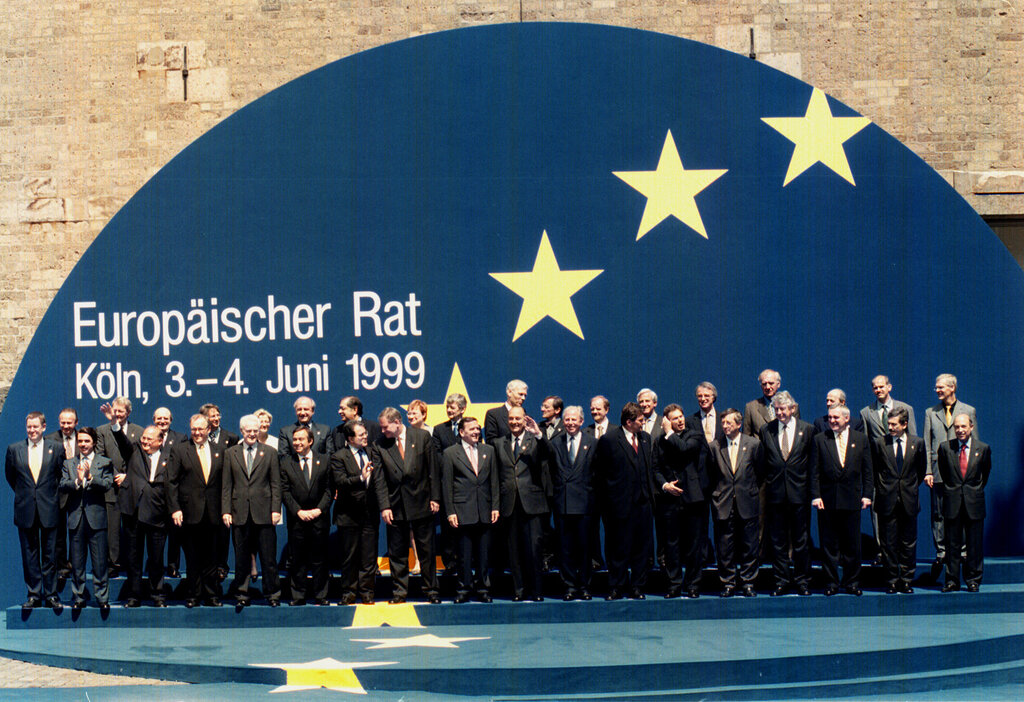
The Council of the European Union (often just called the Council) represents the governments of the member states. Here, government ministers from each EU country meet to discuss, amend, and adopt laws. Which ministers attend depends on the topic; for example, agriculture ministers discuss farming policy.
Finally, there's the European Commission. This is the EU's executive arm. Its main job is to propose new legislation, implement EU policies, manage the budget, and ensure that EU law is properly applied by the member countries. The Commission represents the interests of the EU as a whole, not just one country.
A Balancing Act
These institutions don't work in isolation. They form an interconnected system of checks and balances. The relationship ensures that both the interests of the EU as a whole and the interests of its individual member states and citizens are represented.
The general flow of creating a law looks something like this: The European Commission proposes new legislation. The proposal then goes to the European Parliament (representing the citizens) and the Council of the European Union (representing the member governments) for review and approval. The European Council provides the guiding strategy that influences what the Commission proposes.
This institutional triangle—the Commission, Parliament, and Council—is the core of the EU's decision-making. It's a structure designed to balance different priorities and build consensus among a diverse group of nations.
Let's check your understanding of the EU's foundational structure.
What was the primary motivation behind the creation of the European Coal and Steel Community (ECSC) in 1952?
The EU's single market is built on four fundamental freedoms. Which of the following is NOT one of them?
This framework of cooperation has transformed Europe, creating a continent of stability and shared prosperity unimaginable just a few generations ago.