The EU Lisbon Strategy Explained
Introduction to the Lisbon Strategy
A New Century, A New Strategy
As the year 2000 dawned, the European Union stood at a crossroads. The internet was reshaping global commerce, the United States was experiencing a long economic boom, and the launch of the Euro was imminent. Against this backdrop of rapid change and heightened global competition, EU leaders recognized a need for a bold, unified plan. They gathered in Lisbon, Portugal, in March 2000 to chart a course for the next decade.
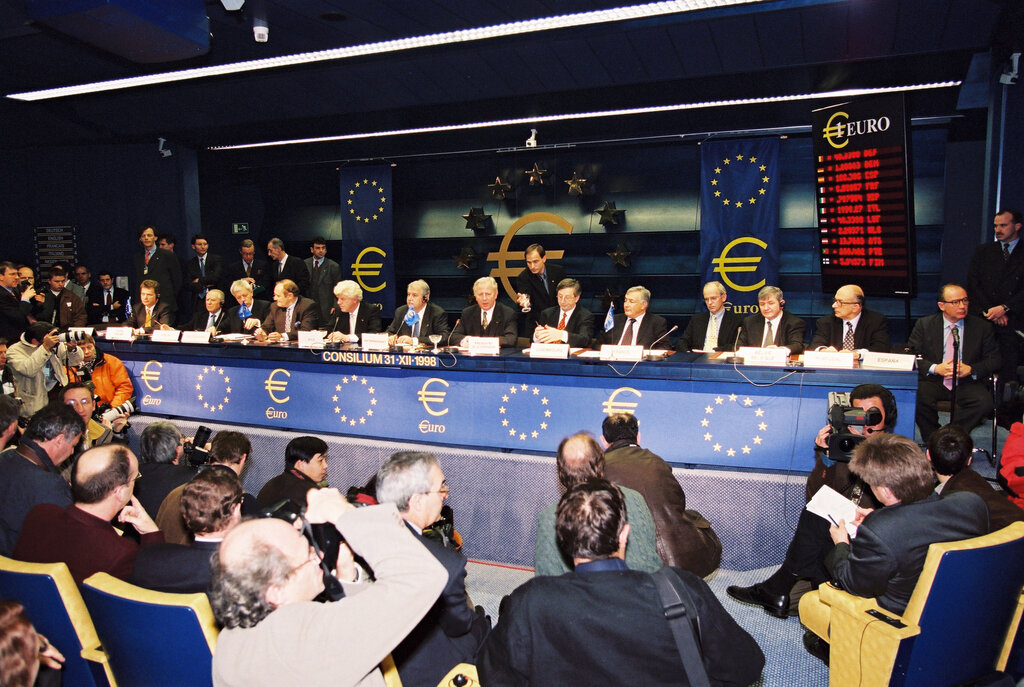
The result of that summit was the Lisbon Strategy, an ambitious ten-year action plan. It was designed to modernize the EU's economy and secure its place as a leading global power in the new, digital age. The strategy was built on the idea that economic growth, social cohesion, and environmental protection must go hand in hand.
The Ambitious Goal
To become the most competitive and dynamic knowledge-based economy in the world, capable of sustainable economic growth with more and better jobs and greater social cohesion.
This overarching goal was supported by three main pillars. The first was economic, focused on preparing for the shift to a digital, knowledge-driven economy. The second was social, aiming to modernize Europe's social model by investing in people and combating social exclusion. A third pillar, environmental sustainability, was added a year later at the Gothenburg European Council in 2001, officially linking the strategy to sustainable development.
Key Areas of Action
To achieve its goals, the Lisbon Strategy targeted several key policy areas. At its core was the push to create a true "knowledge-based economy." This meant boosting investment in research and development (R&D), fostering innovation, and improving education and training systems across the Union. A concrete target was set: to raise R&D spending to 3% of the EU's GDP.
The strategy also called for major economic reforms to create a more business-friendly environment. This included cutting red tape, encouraging entrepreneurship, and completing the EU's single market, particularly in sectors like financial services, energy, and transport. The idea was to make it easier for companies to operate and innovate across national borders.
A Framework for Growth
Ultimately, the Lisbon Strategy was more than just a list of objectives. It was a new political framework for coordinating national and EU-level policies toward a common goal. It introduced the "Open Method of Coordination," a system where member states would benchmark their progress against one another, share best practices, and set national targets to contribute to the overall EU objectives.

This approach was intended to drive reform from the bottom up while maintaining a cohesive, Union-wide direction. By linking economic modernization with social and environmental goals, the Lisbon Strategy aimed to create a virtuous cycle of growth, job creation, and sustainable development, enhancing the EU's global standing and the well-being of its citizens.
Now, let's test your understanding of the key ideas behind this ambitious plan.
What was the overarching goal of the Lisbon Strategy, established in 2000?
The Lisbon Strategy was initially based on two main pillars: economic and social. A third pillar was added in 2001 at the Gothenburg European Council. What was this third pillar?