The EU AI Act Explained
Introduction to the EU AI Act
A New Rulebook for AI
Artificial intelligence is quickly becoming a part of everyday life, from the apps on our phones to the systems that manage public services. To ensure this technology develops in a safe and human-centric way, the European Union has introduced a groundbreaking piece of legislation: the AI Act.
The AI Act is the world’s first comprehensive law specifically designed to regulate artificial intelligence.
Its main goal is straightforward: to make sure that AI systems used in the EU are safe, transparent, and respect fundamental human rights. By creating clear rules, the EU aims to build public trust in AI, which encourages both innovation and adoption of the technology. It’s not about stifling progress; it’s about guiding it in a positive direction.
Who and What Does It Cover?
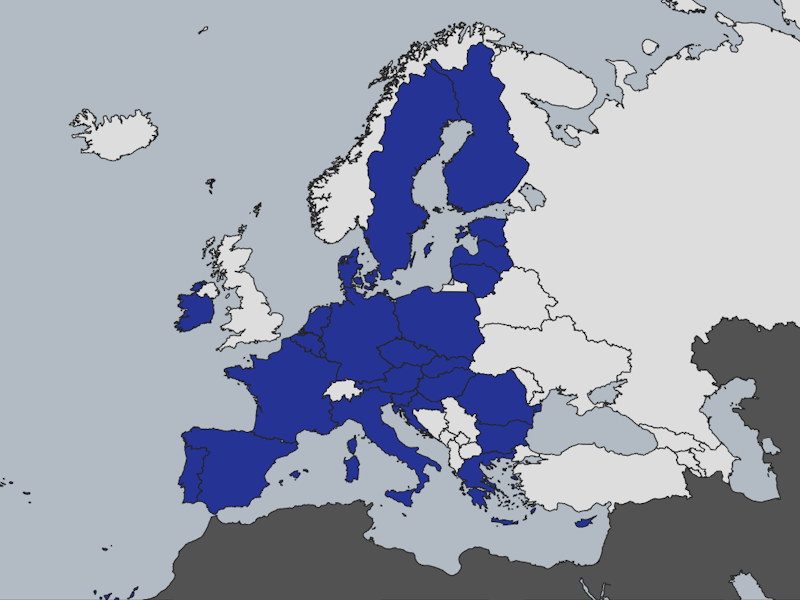
The scope of the AI Act is intentionally broad. It applies to any organization that develops, deploys, or uses AI systems within the European Union. This includes companies based in the United States or anywhere else if their AI products or services are available to people in the EU.
The law covers a wide range of AI applications across many different sectors. Think of AI used in hiring, which could affect someone’s career, or systems that help doctors diagnose illnesses. It also applies to AI in law enforcement, education, and critical infrastructure like energy grids. The Act’s rules are designed to be flexible, applying differently based on the level of risk an AI system might pose to people.
The EU Artificial Intelligence Act (AIA) establishes different legal principles for different types of AI systems.
Essentially, if an AI system can have a significant impact on a person's life, safety, or rights, it falls under the watchful eye of this new regulation.
Setting a Global Benchmark
The EU has a history of setting global standards with its regulations, like the General Data Protection Regulation (GDPR) for data privacy. The AI Act is expected to have a similar ripple effect, often called the "Brussels Effect." Because the EU is a massive market, companies worldwide will likely adopt its AI standards to sell their products there. This effectively makes the EU’s rules a global benchmark.
By being the first to create such a comprehensive legal framework, the EU is shaping the international conversation about AI governance. The Act promotes a vision of AI that is not only innovative but also fundamentally trustworthy and aligned with democratic values.
This focus on creating a trustworthy ecosystem for AI is the core of the new law. It sets the stage for a future where AI's benefits can be harnessed responsibly.