The Essential Server Explained
Introduction to Servers
What Is a Server?
Think of a server like the kitchen in a busy restaurant. While you sit at your table (your computer) and place an order (a request), the kitchen works behind the scenes to prepare your meal and send it out. You don't see all the work, you just get the result. A server works in a similar way, but for computers.
In the world of technology, a server is a powerful computer whose main job is to provide services, data, or functionality to other computers, which are called 'clients.' It's a central hub in a network that manages shared resources. When you browse a website, stream a movie, or send an email, you're interacting with a server.
Server
noun
A computer or system that provides resources, data, services, or programs to other computers, known as clients, over a network.
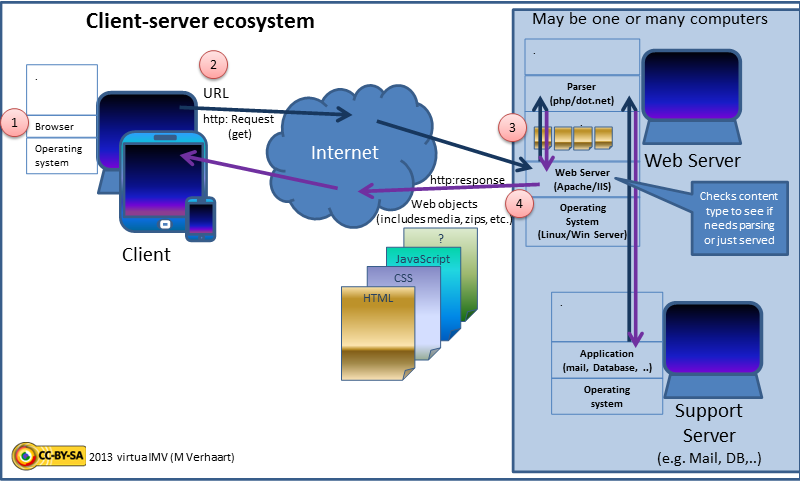
This client-server model is the foundation of how the internet works. Your device makes a request, and a server somewhere in the world fulfills it. It's a constant, invisible conversation happening every time you go online.
Server vs. Your Computer
So, is a server just a fancy desktop computer? Not quite. While both are computers, they are designed for very different tasks.
A personal computer (PC) is a generalist. It's built for one person to do many things: write documents, play games, edit photos, and browse the web. It's interactive and focuses on the user experience.
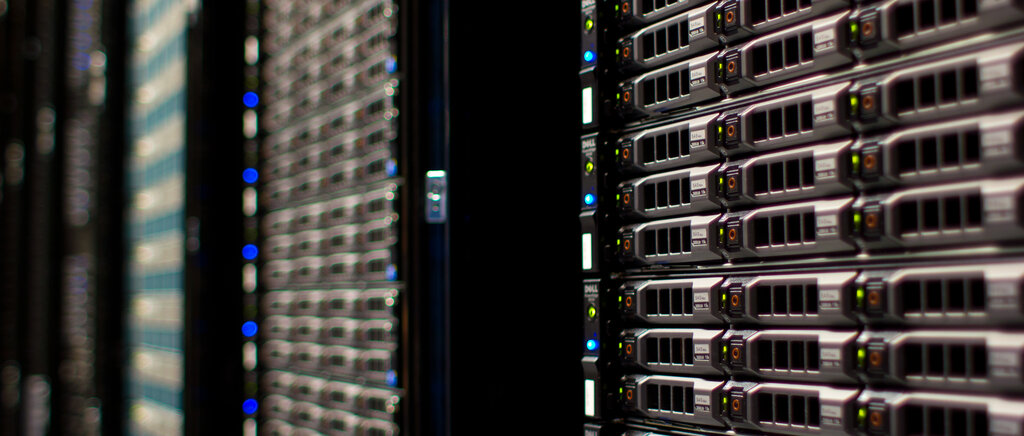
A server, on the other hand, is a specialist. It's designed to run 24/7 and handle requests from many clients at once. It often doesn't even have a screen or keyboard attached, because its work is done in the background. Reliability and performance are its top priorities. A server is built to serve, not to be used directly by a person for everyday tasks.
The key differences come down to their purpose and design.
| Feature | Personal Computer | Server |
|---|---|---|
| Primary Use | Personal tasks for one user | Providing services to many clients |
| Operation | Intermittent use | Continuous, 24/7 operation |
| Design Focus | User experience, graphics | Reliability, performance, uptime |
| Users | One person at a time | Hundreds or thousands simultaneously |
What Do Servers Actually Do?
At its core, a server's job is to listen for requests from clients and respond to them. This simple function powers almost everything you do in the digital world. The basic functions fall into three main categories:
-
Storing Data: Servers are like massive digital filing cabinets. They store the files for websites, your emails, your photos in the cloud, and the databases for applications.
-
Sending Data: When you ask for something, the server finds it and sends it to you. When you load a webpage, a web server sends the text, images, and code to your browser. When you stream a show, a media server sends the video data to your device, piece by piece.
-
Processing Data: Servers can also run applications and perform calculations. When you search for something online, the server processes your query, scours its database, and sends back the results. When you play an online game, a game server manages the actions of all the players to keep everyone's experience in sync.
This constant back-and-forth is called the request-response cycle. The client requests, and the server responds. This is the fundamental interaction that makes networks function.
Without servers, the internet would be a collection of disconnected computers. They are the powerful, always-on machines that store, manage, and deliver the content that connects us all. They are the invisible engines of our digital lives.