The Essence of Science
Introduction to Science
What Is Science?
Science is our structured way of asking questions about the natural world and finding reliable answers. It's not just a collection of facts, but a process of discovery. The main goal is to build knowledge that is both accurate and useful, explaining how things work, from the tiniest atoms to the vastness of space.
At its heart, science relies on a powerful duo: systematic observation and experimentation. Instead of just guessing, scientists carefully watch, measure, and test their ideas. They design experiments to isolate what they're studying and see what happens when they change one thing at a time. This methodical approach helps ensure that the answers they find are trustworthy.
The Bedrock of Science
The foundation of all scientific knowledge is empirical evidence. This is information that can be detected with our senses, often aided by tools like microscopes or telescopes. It’s data collected through observation and experimentation.
empirical
adjective
Based on, concerned with, or verifiable by observation or experience rather than theory or pure logic.
Think of a detective solving a crime. They can't just rely on a hunch. They must gather fingerprints, interview witnesses, and analyze clues. In the same way, a scientist can't just announce a discovery based on a feeling. They must present evidence that other people can examine and test for themselves.
This reliance on testable evidence is what separates science from other ways of knowing, such as philosophy, faith, or personal opinion. While these are all valuable parts of the human experience, science requires that claims be backed by evidence from the natural world.
Science is a Team Sport
No scientist works in a vacuum. Science is a collaborative, global effort where researchers build on each other's work. This communal nature is essential for keeping the process honest and moving forward. Two key practices make this possible: reproducibility and peer review.
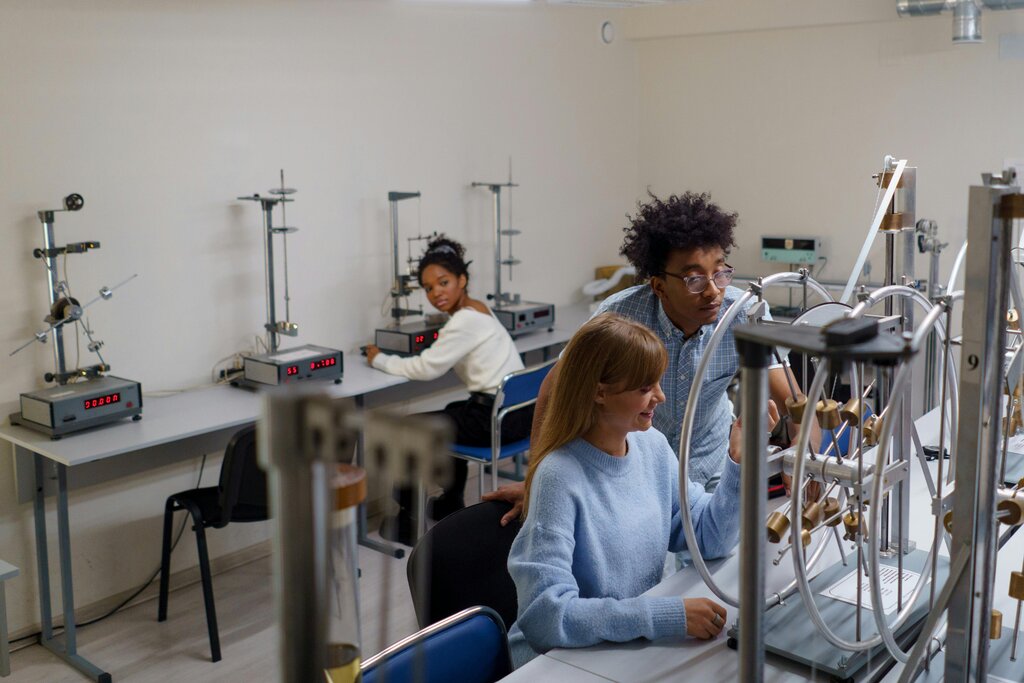
Reproducibility means that if another scientist follows your exact steps, they should get the same result. It’s a crucial check on the validity of an experiment. If a result can't be reproduced, it might have been a fluke, a mistake, or something more serious. Reproducible findings are the ones we can trust.
Peer review is a quality control system. Before a scientific study is published in a reputable journal, it is sent to other experts in the same field. These anonymous reviewers check the study's methods, data, and conclusions for any flaws. They act as gatekeepers, helping to ensure that only solid, well-conducted research becomes part of the scientific record.
This constant process of testing, sharing, and re-testing helps science to be self-correcting. Bad ideas are eventually filtered out, and good ideas are strengthened as more and more evidence supports them.
Let's check your understanding of these core principles.
What is the primary goal of science?
Scientific knowledge is built upon ______, which is information that can be detected with our senses and tested through observation and experimentation.
Science is a powerful tool for understanding our world. It's a dynamic, evidence-based process that thrives on curiosity and community.