The Essence of Music
Introduction to Music Elements
The Building Blocks of Music
Every song, from a simple nursery rhyme to a complex symphony, is built from the same fundamental ingredients. These are the elements of music. By understanding them, we can appreciate what we hear on a much deeper level. The four most essential elements are rhythm, melody, harmony, and form.
Understanding the building blocks of music allows us to appreciate its depth and beauty.
Think of these as the grammar of a language. They provide the structure and meaning that transforms simple sounds into a powerful, emotional experience. Let's break them down one by one.
Rhythm and Time
Rhythm is the element of music that deals with time. It's the pattern of sounds and silences, the pulse that moves the music forward. You can feel it in the steady beat of a drum, the ticking of a clock, or your own heartbeat. It’s what makes you want to tap your foot or dance.
Rhythm
noun
The arrangement of sounds as they move through time; the pattern of durations of notes and silences in a piece of music.
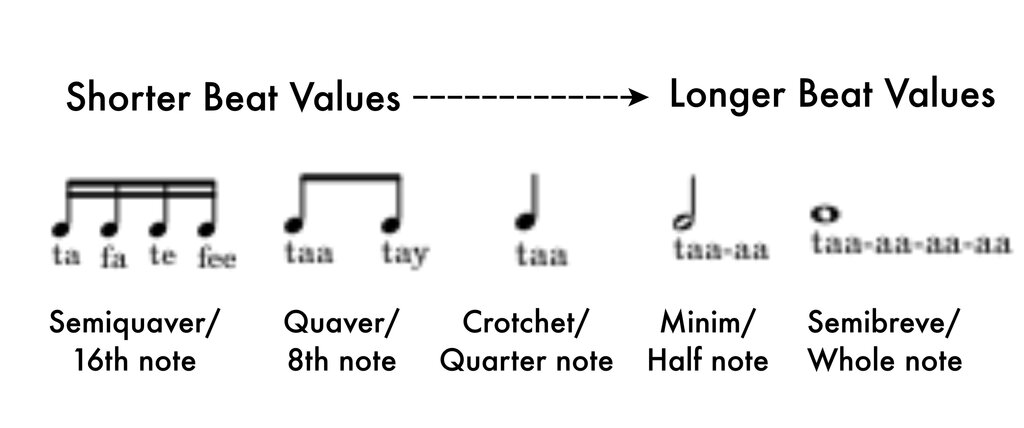
Musicians organize rhythm using different note lengths. Some notes are long, held for several beats. Others are short and quick. The combination of these long and short sounds creates a rhythmic pattern.
Melody and Pitch
If rhythm is the music’s heartbeat, melody is its voice. A melody is a sequence of musical notes that we hear as a single, connected line. It's the part of the song you can hum or sing along to. It’s the tune.
Melody
noun
A sequence of single notes that is musically satisfying; the principal part in harmonized music.
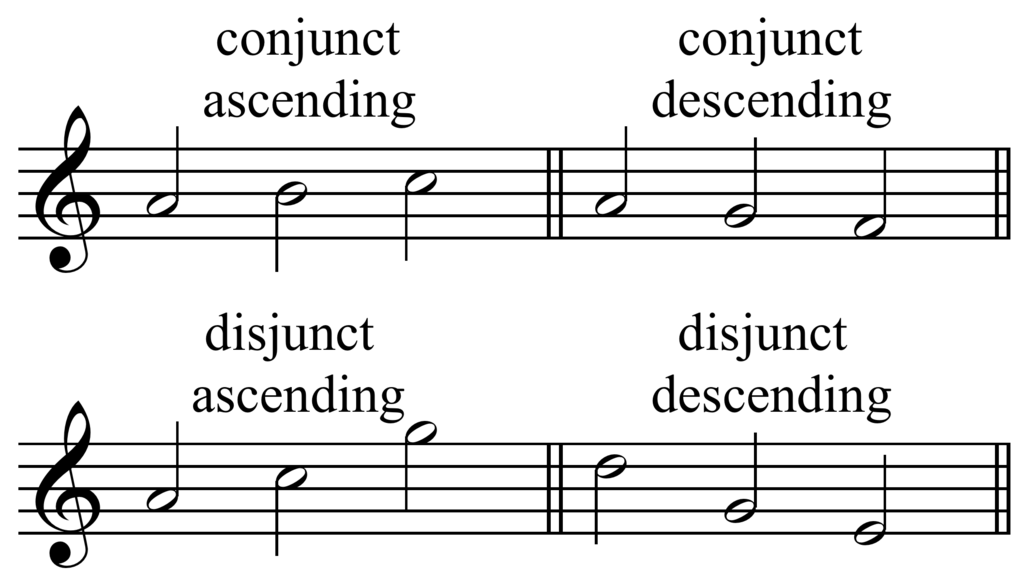
Melodies are created by the movement from one pitch to another. A pitch is simply how high or low a note sounds. A melody can move in small, connected steps, or it can jump around in wide leaps. This movement creates the melody’s unique shape, or contour.
Of course, melody and rhythm are inseparable. Each note in a melody has a specific duration, which is determined by the rhythm. Together, they create a memorable musical phrase.
Harmony and Chords
While melody is a sequence of notes played one after another, harmony is about what happens when notes are played at the same time. Harmony adds depth, color, and emotion to a melody. It’s like moving from a black-and-white sketch to a full-color painting.
Harmony
noun
The combination of simultaneously sounded musical notes to produce a pleasing effect.
The fundamental building blocks of harmony are chords. A chord is a group of three or more notes played together. The sequence of chords in a song is called a chord progression. This progression supports the melody and creates the emotional backdrop of the music, making it feel happy, sad, tense, or relaxed.
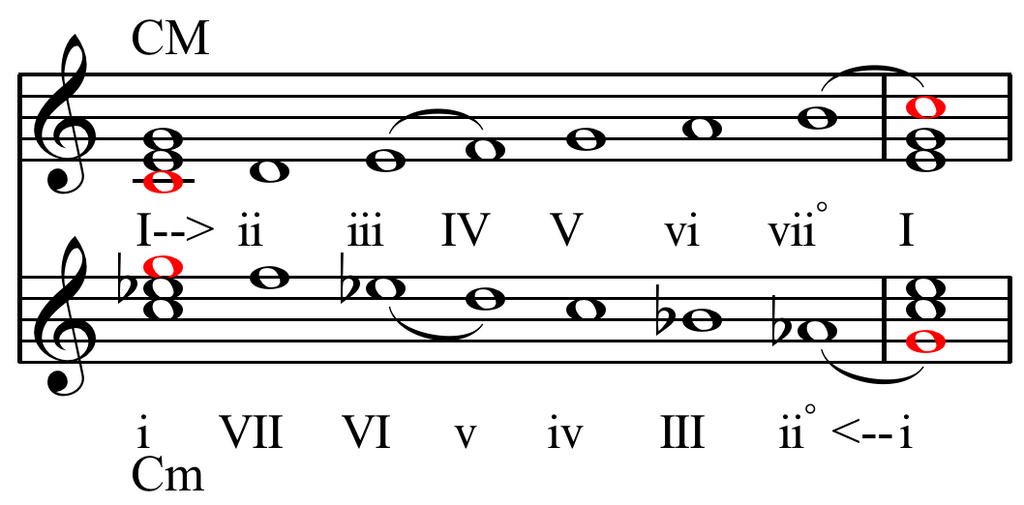
If melody carries the tune, harmony provides its emotional coloring.
Form and Structure
Form is the overall structure or plan of a piece of music. It’s the blueprint that tells us how different sections of the song are organized. Form gives the music a sense of order and makes it easier for our brains to follow and understand.
Form
noun
The structure of a musical composition or performance.
A very common form in popular music is the verse-chorus form. You have verses, which tell a story and often have different lyrics each time. Then you have the chorus, which usually has the same lyrics and melody and contains the main message of the song. Most songs will alternate between these sections.
Other common sections include a bridge, which provides contrast, and an intro or outro. Recognizing these sections helps you understand the journey a song takes you on.
| Section | Purpose |
|---|---|
| Verse | Develops the story or main idea. Lyrics often change. |
| Chorus | Contains the main musical and lyrical hook. Repeats throughout the song. |
| Bridge | Offers a new perspective or musical shift, connecting two other sections. |
| Intro | The beginning section that sets the mood for the piece. |
These four elements—rhythm, melody, harmony, and form—work together in every piece of music. By learning to listen for them, you can unlock a new level of appreciation for the art of sound.
Time to test your knowledge on these building blocks.
Which element of music is responsible for the pattern of sounds and silences that moves the music forward?
When you sing or hum the main tune of a song, you are reproducing its...
Understanding these core components is the first step toward analyzing any piece of music you hear.