The Essence of Music
Introduction to Music Elements
The Building Blocks of Music
Music is more than just a collection of sounds. It's an organized art form built from a few core ingredients. Understanding these elements—rhythm, melody, harmony, and timbre—is the first step to appreciating how music works its magic on us.
The 7 key elements of music—sound, rhythm, tempo, dynamics, melody, harmony, and texture—are fundamental building blocks that contribute to the structure, expression, and emotional impact of a musical piece.
Let's start with the most primal element: rhythm.
Rhythm
noun
The pattern of sounds, silences, and emphasis in a song. It's how we organize music in time.
Think of rhythm as the music's heartbeat. It’s the pulse that drives a song forward. This pulse is called the beat, and the speed of that beat is the tempo. A fast tempo might make you feel energized, while a slow tempo can feel relaxing or somber.
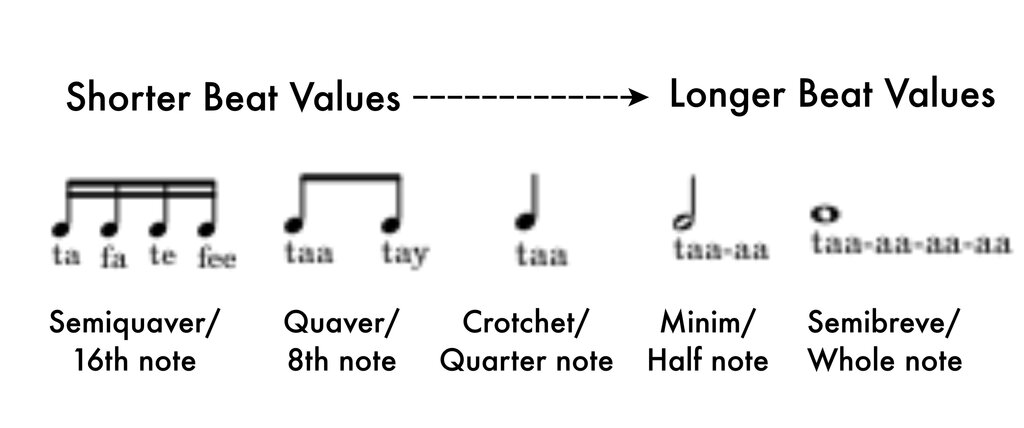
Rhythm isn't just about the steady beat, though. It's also about the patterns of long and short notes placed over that beat. These patterns are what give a song its specific groove and feel.
The Tune You Hum
If rhythm is the heartbeat, melody is the voice. A melody is a series of musical notes played in a specific order that we perceive as a single, unified tune. It's the part of the song you're most likely to sing or whistle along to.
Melodies are created by the rise and fall of pitch—how high or low a note sounds. A composer arranges these notes one after another, creating a musical line that has a clear beginning, middle, and end. Just like a sentence, a melody expresses a complete thought.
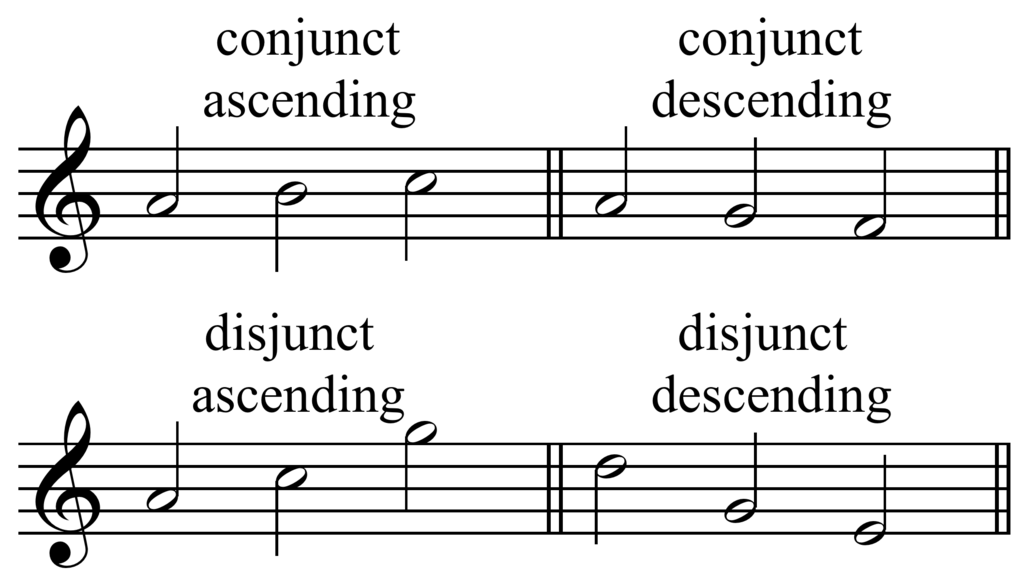
Think of melody as connecting the dots. Each note is a dot, and the sequence of notes draws a shape that our ears recognize as a tune.
Adding Depth and Color
While a melody can stand on its own, music often feels richer when it has harmony. Harmony is what happens when two or more notes are played at the same time. These combinations of notes are called chords.
Harmony adds depth and emotional context to the melody. It's the foundation that the melody rests on. For example, a major chord often sounds bright and happy, while a minor chord can sound sad or serious. The sequence of chords in a song, called a chord progression, helps create a sense of journey, building tension and then resolving it.
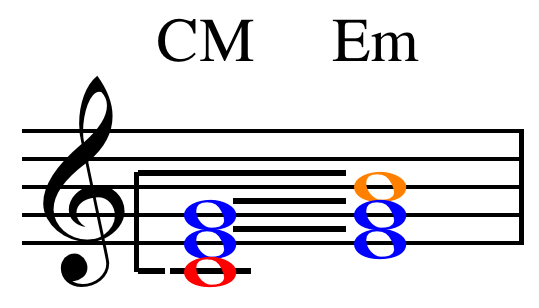
Without harmony, a song might feel a bit empty. It provides the color and texture that fill out the musical landscape.
The Sound of a Sound
The final core element is timbre (pronounced TAM-ber). Timbre, also known as tone color or tone quality, is what makes a particular sound distinct from another. It's the reason you can tell the difference between a guitar and a piano playing the exact same note at the same volume.
Every instrument, including the human voice, has its own unique timbre. A flute might sound airy and light, while a trumpet sounds brassy and bold. Composers and musicians use these different timbres like a painter uses different colors on a palette. They can blend them together or contrast them to create different moods and textures in the music.
Timbre
noun
The characteristic quality of a musical sound or voice, distinct from its pitch and intensity.
Rhythm, melody, harmony, and timbre are the essential ingredients of music. They work together in countless combinations to create the infinite variety of songs we hear every day.
Now, let's test your understanding of these fundamental concepts.
What term describes the speed of the underlying pulse in a piece of music?
If a composer wants to add emotional depth and richness by playing multiple notes at the same time, which element are they primarily using?
By recognizing these four elements, you've taken a big step toward a deeper appreciation of the music you love.