The Essence of Information
Defining Information
More Than Just Data
We're surrounded by data. The temperature outside, the price of a coffee, the number of steps you took today—these are all pieces of data. By themselves, they are raw, unorganized facts. A list of numbers like 72, 3.50, 8451 doesn't mean much without context.
Information is what happens when we give data meaning. If we know that 72 is the temperature in degrees Fahrenheit, $3.50 is the cost of a latte, and 8451 is your step count, the numbers transform. They become organized, structured, and useful. Information is data that has been processed to be meaningful.
Data is the raw material. Information is the finished product.
But there's one more step in this progression: knowledge. Knowledge is what we gain when we internalize information, understand its implications, and connect it to what we already know. Knowing it's 72 degrees (information) might lead you to grab a light jacket (knowledge), because you understand from past experience what that temperature feels like and how it affects your comfort.
This progression from raw facts to actionable understanding is a fundamental concept.
The Hallmarks of Quality Information
Not all information is created equal. To be truly useful, it needs to have certain qualities. Think of these as a checklist for value.
First, information must be accurate. It needs to be correct and free from error. Inaccurate information can lead to bad decisions, whether you're a doctor diagnosing a patient or a chef following a recipe. Verifying facts and relying on trusted sources is key.
Next is relevance. The information must apply to the situation at hand. A detailed weather report for Antarctica isn't relevant if you're trying to decide what to wear in Miami. It might be accurate, but it doesn't help you solve your specific problem.
Finally, information must be timely. It needs to be available when you need it. A stock tip from last week is useless today. The world changes quickly, and the value of information often depends on its freshness.
To be useful, information must be understandable, relevant, reliable, timely and accurate.
Information in Action
Information doesn't just sit there; it's the lifeblood of communication and decision-making. In any communication system, from a simple conversation to the global internet, the goal is to transmit information from a sender to a receiver. The sender encodes a message (information), sends it through a channel, and the receiver decodes it. Without clear information, the message gets lost.
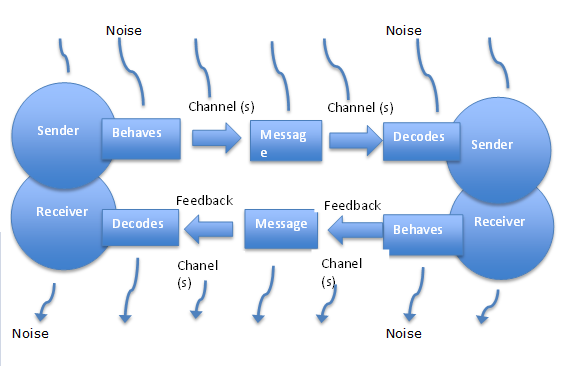
This flow of information has a direct impact on our ability to make decisions. When you're choosing a college, buying a car, or even just picking a restaurant for dinner, you gather information. The quality and completeness of that information directly influence the outcome of your choice.
Better information leads to better decisions. It reduces uncertainty and helps us weigh options more clearly. By understanding what information is and what makes it valuable, we can become more effective communicators and decision-makers in every part of our lives.
Let's review the key terms we've discussed.
Now, check your understanding of these core concepts.
Which of the following is the best example of raw data?
You see a weather report that says '85°F, 90% humidity'. You decide to wear shorts and a t-shirt because you know from past experience that this will feel very hot. Your decision to wear shorts is an application of what?
Understanding these distinctions is the first step toward information literacy—the ability to find, evaluate, and use information effectively.