The Essence of Entrepreneurial Culture
Defining Entrepreneurial Culture
What Is Entrepreneurial Culture?
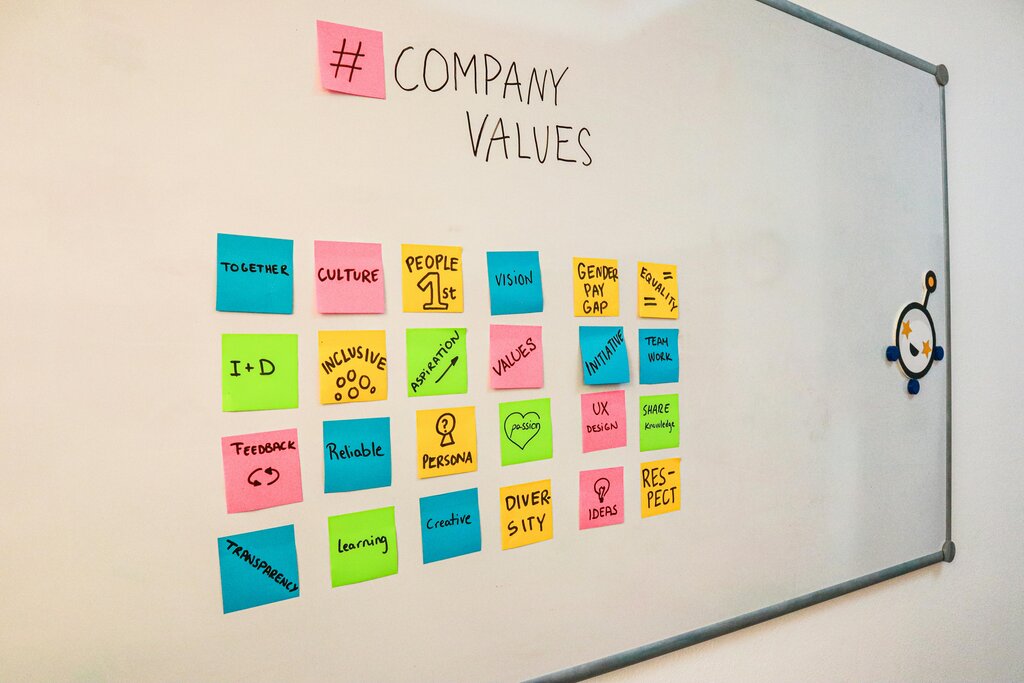
An entrepreneurial culture is the environment inside a company that encourages employees to think like owners. It’s a collective mindset focused on spotting opportunities, trying new things, and driving growth from the ground up. Instead of simply following instructions, people in this kind of culture are empowered to take initiative and solve problems creatively.
It’s less about a specific set of rules and more about shared values and behaviors that make a business agile, innovative, and resilient.
The Three Core Components
An entrepreneurial culture doesn't just happen on its own. It's built on three key pillars: innovativeness, proactiveness, and risk-taking. These elements work together to create an atmosphere where new ideas can flourish.
Innovativeness
noun
The tendency of a company to engage in and support new ideas, novelty, experimentation, and creative processes, resulting in new products, services, or technological processes.
Innovativeness is the engine of an entrepreneurial culture. It’s the drive to find better ways of doing things. This isn't just about inventing the next big thing; it's also about small, continuous improvements to products, services, and internal processes. An innovative culture encourages curiosity and gives people the freedom to experiment without fear of reprisal if an idea doesn't work out.
Proactiveness is about taking action. In a proactive culture, employees don't wait for problems to arise or for their managers to hand them a to-do list. They anticipate future trends, identify potential opportunities or threats, and take the initiative to address them. This forward-looking approach allows a company to shape its own future rather than just reacting to it.
Risk-taking is the willingness to commit resources to projects that have uncertain outcomes. This doesn't mean being reckless. It means making calculated decisions based on the best available information and being comfortable with the possibility of failure. In an entrepreneurial culture, failures are treated as valuable learning experiences that provide insights for future success. Without a tolerance for risk, truly innovative ideas rarely get off the ground.
The Impact on a Company
When these components are in place, they fundamentally change how an organization operates. An entrepreneurial culture creates a more dynamic and engaging workplace. Employees feel a stronger sense of ownership and purpose because their contributions are valued and their ideas can make a real difference.
This environment leads to greater organizational agility. The company can adapt to market changes more quickly because employees are empowered to make decisions and act on opportunities without getting bogged down in bureaucracy. Problem-solving becomes a shared responsibility, leading to more creative and effective solutions.
The Role of Leadership
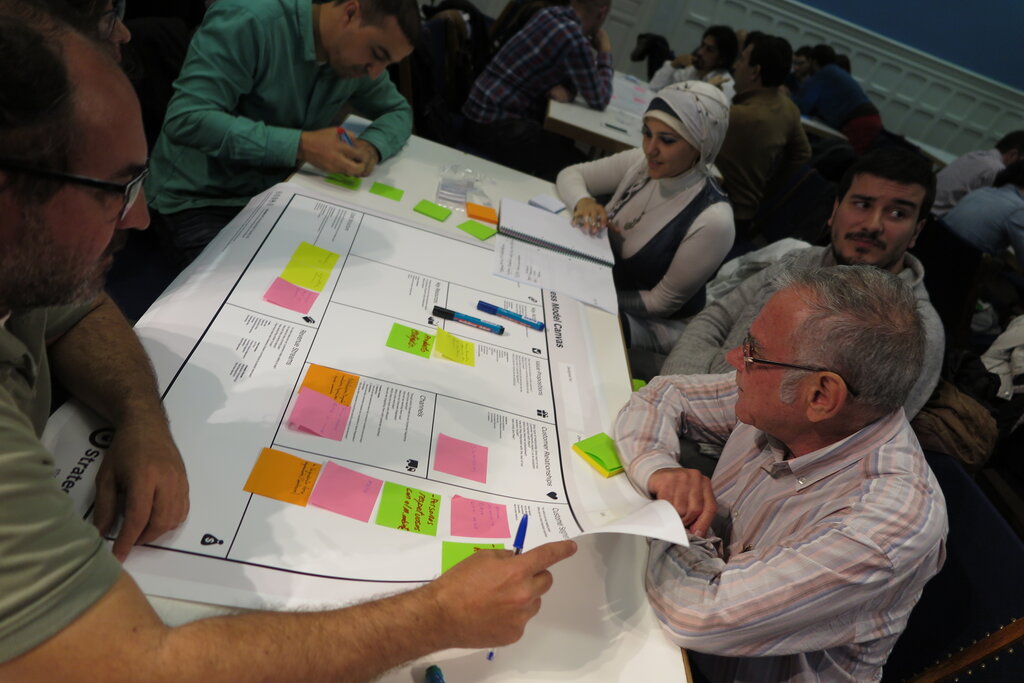
Leadership is the single most important factor in creating and sustaining an entrepreneurial culture. It's not enough to simply say the company values innovation and proactiveness; leaders must actively model these behaviors.
They need to create a psychologically safe environment where employees feel comfortable sharing new ideas and taking calculated risks. This means celebrating learning from failures, not punishing them. Leaders must also provide the necessary resources, autonomy, and support for employees to pursue innovative projects. By empowering their teams and trusting them to take initiative, leaders can unlock the full potential of an entrepreneurial culture.
Effective leaders embed experimentation, trust and collaboration within their organization’s values, culture and daily operations, creating a supportive work environment that fosters creativity and everyday ideation.
Now, let's review the key concepts we've covered.
Ready to check your understanding?
Which of the following best describes an entrepreneurial culture?
What are the three key pillars that support an entrepreneurial culture?
Ultimately, an entrepreneurial culture is about building an organization where everyone is motivated to contribute to its growth and success. It's a powerful force for continuous improvement and long-term relevance in an ever-changing world.