The Essence of Dignity
Introduction to Human Dignity
What is Human Dignity?
Human dignity is the idea that every person has an intrinsic, or built-in, worth. This value isn't earned through achievements, wealth, or social status. It's something you have simply because you are human. Think of it like a fundamental price tag that can't be changed or removed. It means that every individual deserves respect and ethical treatment, regardless of their circumstances.
intrinsic
adjective
Belonging to the essential nature or constitution of a thing.
This concept acts as a moral compass, guiding how we should interact with one another. It demands that we see the humanity in others and in ourselves. It's the reason we feel it's wrong to humiliate someone or treat them as less than human.
A Philosophical View
Philosophers have long debated the source of human dignity. The 18th-century thinker Immanuel Kant provided one of the most influential explanations. He argued that unlike objects, which have a price and can be replaced, human beings have dignity because of their ability to reason and make moral choices. We are not just tools to be used for someone else's goals.
Kant believed every person is an "end in themselves." This means we should never treat people merely as a means to achieve something else, but always as valuable individuals in their own right.
This perspective forms the basis for many modern ethical frameworks. It suggests that actions are morally right if they respect the dignity of others and wrong if they violate it. For example, lying to someone to get what you want is unethical because it uses them as a tool and disrespects their ability to make an informed choice.
Dignity in Psychology
Psychology looks at dignity through the lens of our inner experience and social needs. It's closely linked to self-respect, autonomy, and the feeling of being valued by others. When our dignity is upheld, we feel a sense of psychological safety and belonging. When it's undermined, it can lead to feelings of shame, worthlessness, and isolation.
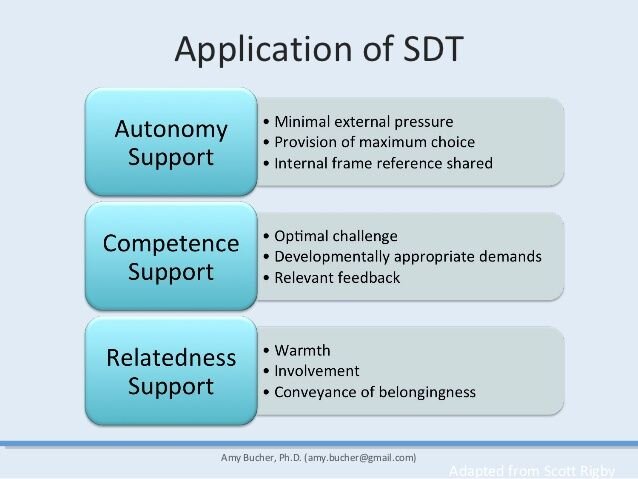
Feeling a sense of control over your own life (autonomy), being able to meet challenges (competence), and feeling connected to others (relatedness) are all essential for a sense of dignity. These are not just abstract ideas; they are fundamental psychological needs.
Cultural Perspectives
While the idea of inherent worth is widespread, how dignity is expressed and understood can vary across cultures. In many Western, individualistic societies, dignity is often tied to personal autonomy, freedom, and individual rights. It's about the ability to make your own choices and live your life as you see fit.
In more collectivistic societies, dignity might be understood through social relationships, roles, and responsibilities. It can be linked to showing respect for elders, maintaining social harmony, and fulfilling one's duty to the family or community. In these contexts, dignity is less about the self alone and more about the self in relation to others.

Neither view is more correct than the other. They simply show that this fundamental concept is interpreted through different cultural lenses, highlighting its complexity and richness.
The protection of human rights and dignity is the cornerstone of the Recommendation, based on the advancement of fundamental principles such as transparency and fairness, always remembering the importance of human oversight of AI systems.
Ready to check your understanding?
According to the concept of human dignity, where does a person's intrinsic worth come from?
The philosopher Immanuel Kant distinguished the 'dignity' of a person from the 'price' of an object. What, according to his view, gives humans this special status?
Ultimately, dignity is about acknowledging the profound worth of every human life. It is the foundation upon which we build ethical societies and meaningful relationships.