The Essence of Design
Introduction to Design
What Is Design?
Design is more than just how something looks. At its core, design is about solving problems. It’s the process of intentionally creating something that serves a purpose, whether it's a comfortable chair, an easy-to-navigate website, or a public park that brings a community together.
Think about the last time you used a tool that felt just right in your hand, or walked into a room that felt instantly calming. That’s the result of thoughtful design. It’s a plan for arranging elements to accomplish a particular goal in the best possible way.
Design
noun
The creation of a plan or convention for the construction of an object, system, or measurable human interaction.
Design can influence our thinking, our feelings, and the decisions we make, whether we’re conscious of it or not.
Design Is Everywhere
Look around you. Nearly every human-made object you see is a product of design. The device you're reading this on, the clothes you're wearing, and the building you're in were all designed. Even things we don’t think of as objects, like the layout of your grocery store or the process for renewing a driver's license, are designed experiences.
Good design is often invisible. When a product or service works seamlessly, we don't notice the careful thought that went into it. It just feels intuitive. Bad design, on the other hand, is impossible to ignore. It’s the door you try to pull when you should push, the website that’s impossible to navigate, or the uncomfortable chair that leaves you with a backache. These frustrations highlight how much design shapes our daily interactions.
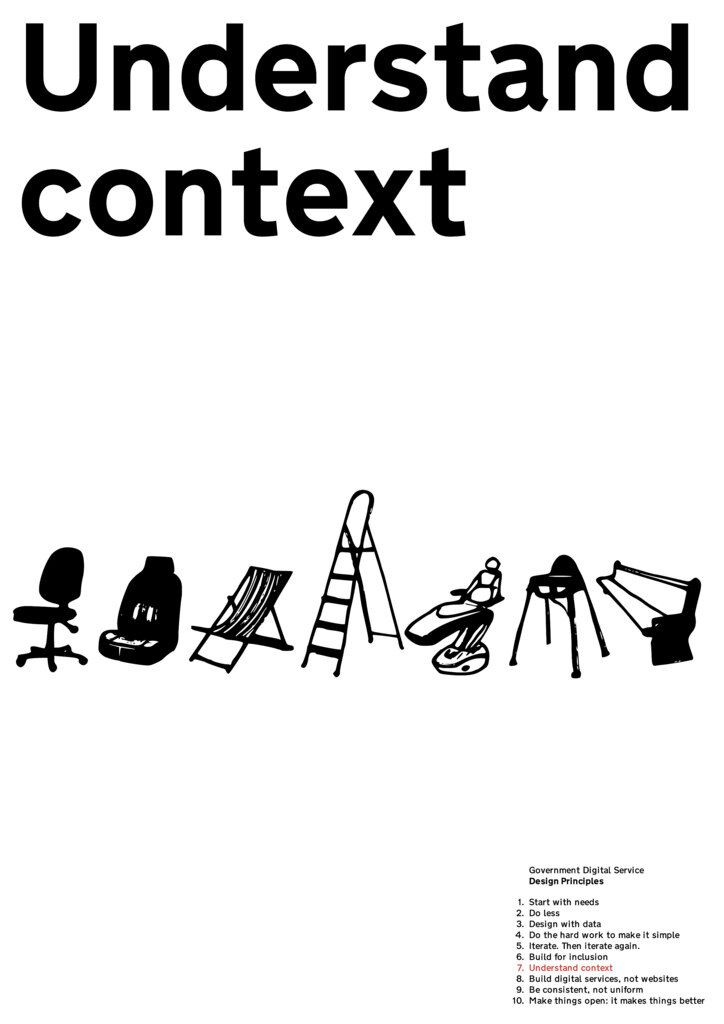
Design's true impact is in making our lives simpler, more efficient, and more enjoyable, often in ways we don't even notice.
Fields of Design
Because design applies to so many different problems, it has branched into numerous specialized fields. Each discipline focuses on a specific type of solution, but they all share the common goal of improving human experience. Here are just a few examples.
| Discipline | Focus | Example |
|---|---|---|
| Graphic Design | Visual communication | A company's logo, a book cover, or a website's layout. |
| Industrial Design | Mass-produced physical products | A smartphone, a kitchen appliance, or a piece of furniture. |
| Architectural Design | Buildings and physical structures | A house, a skyscraper, or a public library. |
| UX/UI Design | Digital products and experiences | The interface of a mobile app or the user-friendliness of a website. |
These fields are not isolated. An industrial designer creating a new coffee maker works with a graphic designer on the packaging and a UX designer on its digital interface. This collaboration is key to creating a cohesive and user-friendly product. They all come together to shape the world we live in, one thoughtful decision at a time.
Now that we've covered the basics of what design is and the different forms it takes, let's test your understanding.
What is the primary goal of design, according to the text?
Why is good design often described as "invisible"?
Design is a vast and fascinating field that blends creativity with problem-solving. By understanding its fundamental role, you can begin to see the world around you in a new way, appreciating the thought and intention behind the objects and systems you use every day.