The Essence of Communication
Introduction to Communication
What Is Communication?
Communication is the process of exchanging meaning. It’s not just about talking or writing; it's about making sure the idea in your head successfully makes it into someone else's head. This happens through a shared system of symbols, like words, signs, or gestures.
Think of it like sending a package. You have an idea (the contents), you put it into words (the box), and you send it. The goal is for the other person to receive the box, open it, and understand the contents just as you intended. If the box is damaged or the address is wrong, the meaning gets lost. Every interaction we have, from ordering a coffee to debating a big idea, relies on this exchange.
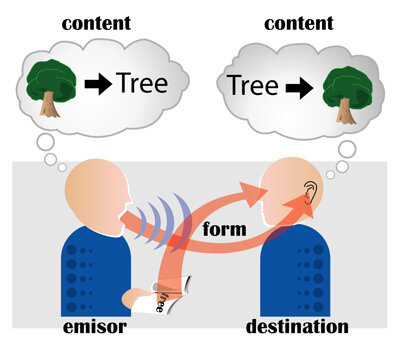
This process is fundamental to being human. It’s how we share information, express feelings, build relationships, and create communities. Without communication, we couldn't collaborate, learn from each other, or navigate the social world. It’s the foundation for everything from personal friendships to global politics.
More Than Just Words
When we think of communication, we often jump straight to speaking or writing. This is called verbal communication. It’s the use of words to share information. But there's another, equally important, side to the story: nonverbal communication.
Nonverbal communication includes all the messages we send without words. It's your body language, the tone of your voice, the expression on your face, and even the silence between your words. Often, our nonverbal signals say more than our words do.
| Type | Description | Examples |
|---|---|---|
| Verbal | Using words to convey a message. | Speaking, writing, sign language. |
| Nonverbal | Sending messages without words. | Facial expressions, posture, gestures, tone of voice. |
Imagine a friend tells you, "I'm fine," but their voice is flat, their arms are crossed, and they won't make eye contact. The words say one thing, but the nonverbal cues tell a completely different story. We instinctively read these signals to understand the true meaning behind what’s being said. Mastering communication means paying attention to both what is said and how it's said.
Context Is Key
The meaning of a message can change dramatically depending on the context. Context is the situation or environment in which communication occurs. It includes things like the physical setting, the relationship between the speakers, and their cultural backgrounds.
For example, shouting "Hey!" to a friend across a park is perfectly normal. Shouting the same word in the middle of a library has a completely different meaning and impact. Likewise, a joke that's funny among close friends might be inappropriate in a professional meeting. The words are the same, but the context changes everything.
Effective communicators don't just choose the right words; they understand the situation and adapt their message accordingly.
Understanding context helps us interpret messages correctly and avoid misunderstandings. Before you speak or write, it’s helpful to consider: Who am I talking to? Where are we? What is our relationship? Answering these questions helps ensure your message lands as intended.
Ready to check your understanding? Let's see what you've learned.
The fundamental goal of communication is to:
A friend tells you, "I'm fine," but their voice is quiet, their arms are crossed, and they won't make eye contact. According to the principles of communication, which message is more powerful?
Communication is a skill we use every day. By understanding these fundamentals—the exchange of meaning, the power of nonverbal cues, and the importance of context—you can become a more effective and empathetic communicator.