The Epic of Khan Tever
Introduction to Bulgarian Epic Poetry
A Tradition of Song and Story
Long before stories were written down in books, they were sung. In Bulgaria, this tradition of sung epic poetry stretches back for centuries, forming a vibrant tapestry of history, myth, and cultural identity. These long narrative poems weren't just entertainment; they were living history, a way for communities to remember their heroes, celebrate their values, and make sense of their world.
Performers, often accompanying themselves on an instrument like the gusla (a type of fiddle), would travel from village to village, sharing tales of bravery and adventure. Each performance was unique, as singers would improvise, adding their own flair to stories that had been passed down through generations. This oral tradition was the bedrock of Bulgarian literature for a very long time.
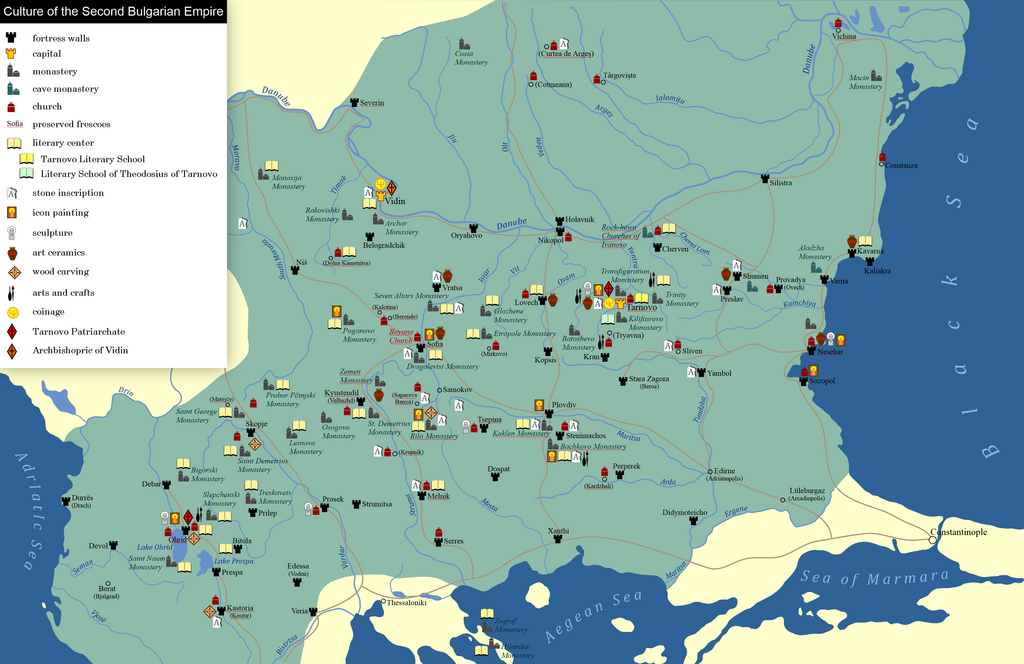
The roots of this tradition lie deep in the Middle Ages, during the First and Second Bulgarian Empires. Early epics blended pagan folklore with Christian beliefs, creating a unique mythological landscape. However, the tradition truly blossomed during the centuries of Ottoman rule. During this challenging period, epic songs became a powerful tool for preserving language, faith, and a sense of national identity. They were a form of cultural resistance, reminding people of a time when Bulgarian heroes roamed the land.
Heroes, Villains, and Spirits
Bulgarian epic poetry is populated by a cast of memorable characters and creatures. The central figure is almost always a yunak, a hero of extraordinary strength and courage. He is the defender of the people, fighting for justice, protecting the weak, and upholding Christian values against oppressors.
yunak
noun
A heroic figure in South Slavic epic poetry, characterized by exceptional strength, bravery, and a strong moral compass.
The villains are often Ottoman lords or officials, but they can also be mythical beasts like the zmei, a fearsome dragon. Yet, the world of these epics is not just black and white. It's filled with supernatural beings who can either help or hinder the hero. The most famous of these are the samodivas.
A woodland nymph or fairy in Slavic folklore, known for her beauty and magical powers.
These ethereal woodland nymphs were known for their beauty and fierce independence. They could be benevolent, aiding a worthy yunak in his quest, or dangerous, punishing those who disrespected them or their forest homes. This blend of the historical and the fantastical is a key feature of the genre. A poem might be based on a real historical battle, but the hero might have a talking horse and receive a magical sword from a samodiva.
The Verse and the Voice
The structure of Bulgarian epic poetry was designed for oral performance. The poems typically use a specific meter, a decasyllable line (a line with ten syllables), which gives the song a steady, driving rhythm. This made it easier for singers to memorize vast amounts of text and for the audience to follow along.
Repetition and stock phrases, known as formulas, are also common. Phrases like "the hero saddled his swift horse" or "the sun shone brightly" appear again and again. These formulas acted as building blocks, giving the singer a moment to think while keeping the story flowing.
While many of these epic songs were eventually written down by ethnographers and folklorists in the 19th and 20th centuries, their true home was always in the performance. The voice of the singer, the melody of the gusla, and the rapt attention of the audience were what brought these incredible stories of heroes and monsters to life, preserving a vital piece of Bulgaria's cultural heritage.
Ready to test your knowledge? Let's see what you've learned about this rich oral tradition.
What was the primary role of sung epic poetry in Bulgaria, especially during the centuries of Ottoman rule?
The central heroic figure in Bulgarian epic poetry, known for extraordinary strength and courage, is called a ______.
This foundation in the themes and traditions of Bulgarian epic poetry will help us understand the context for many specific works that emerged from this powerful form of storytelling.