The English Language
Origins of English
From Ancient Roots
The story of English begins long before England existed. It starts with a reconstructed language called Proto-Indo-European, or PIE. Linguists believe PIE was spoken thousands of years ago on the Eurasian Steppe. While no written records of it exist, we can trace its influence through the vast family of languages that descended from it, including most European languages and many in Asia.
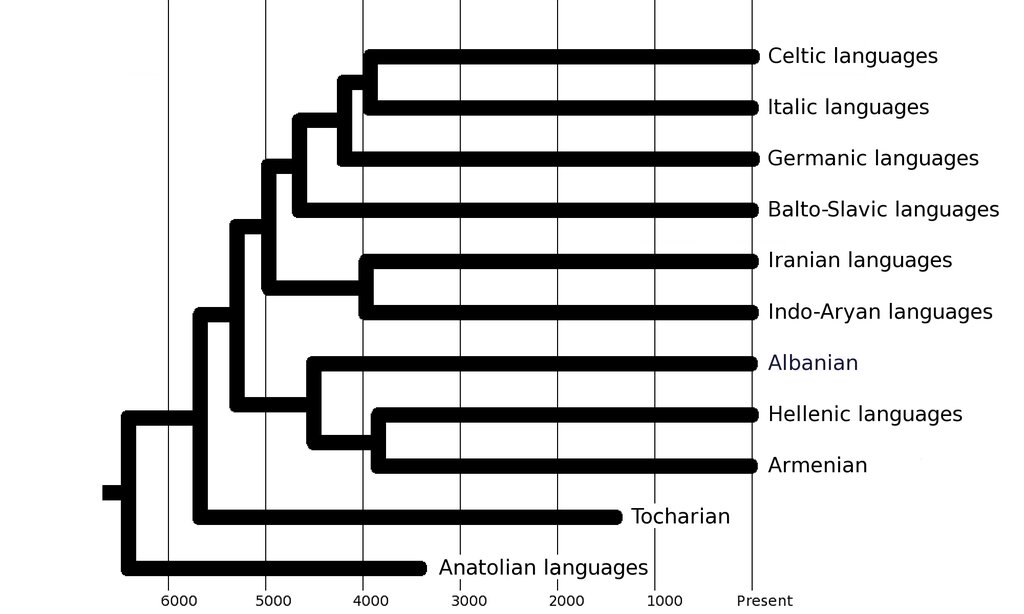
Think of PIE as a great-great-grandparent. Over centuries, groups of its speakers migrated, and their languages evolved in isolation, creating new branches. One of these branches was Proto-Germanic. This language, spoken in Northern Europe, became the parent of German, Dutch, Swedish, and, eventually, English.
Old English Emerges
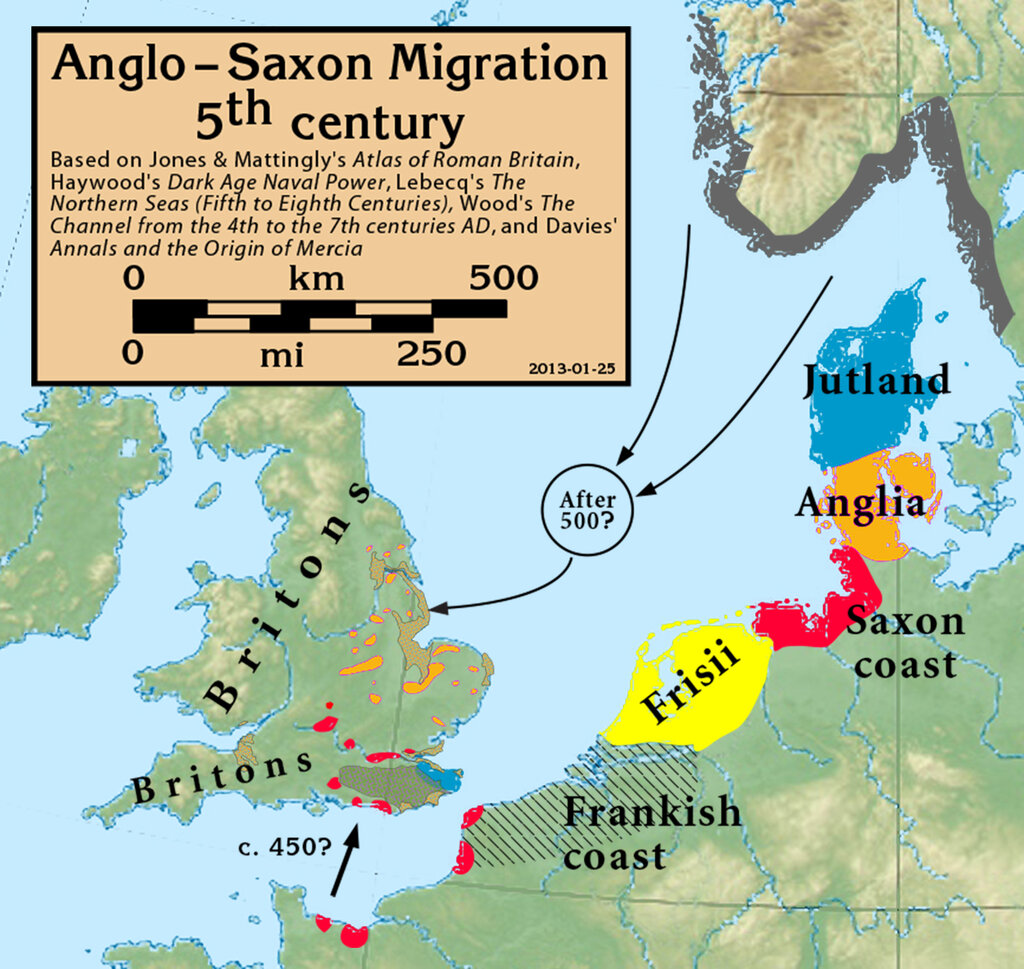
The English language first arrived in Britain in the 5th century. Germanic tribes—the Angles, Saxons, and Jutes—crossed the North Sea and settled in the land, pushing the native Celtic-speaking peoples to the west and north. The dialects these invaders spoke merged to form what we now call Old English, or Anglo-Saxon.
Old English doesn't look or sound much like the English of today. It was a highly inflected language, meaning the function of a word in a sentence was shown by changing its ending, much like in modern German or Russian. However, its core vocabulary forms the bedrock of our language. Words like water, earth, house, food, sing, and sleep all come directly from Old English.
Two major events added new layers to Old English. First, the arrival of Christian missionaries from Ireland and Rome in the 7th century introduced hundreds of Latin words related to religion and learning, such as priest, school, and candle. Later, starting in the 8th century, Viking invasions brought speakers of Old Norse. Since Old Norse and Old English were both Germanic languages, they were similar enough for speakers to communicate. This close contact led to English borrowing many everyday words, including sky, skin, leg, give, and take, as well as the pronouns they, them, and their.
The Norman Conquest and Middle English
The single most transformative event in the history of English happened in 1066: the Norman Conquest. William the Conqueror, a duke from Normandy in France, invaded and seized the English throne. The new ruling class spoke Norman French, a dialect of Old French.
One of the most obvious effects of the conquest was the introduction of Anglo-Norman, a northern dialect of Old French with limited Nordic influences, as the language of the ruling classes in England, displacing Old English.
For the next 300 years, England was a bilingual country. The aristocracy, courts, and government used French, while the common people continued to speak English. This linguistic divide had a profound impact. English began to shed its complex inflection system and adopt a more fixed word order. More importantly, it absorbed a massive amount of French vocabulary—over 10,000 words.
These new words were often related to power, law, fashion, and food. This is why we have different words for an animal in the field (from Old English) and the meat on the table (from Old French).
| Animal (Old English Origin) | Meat (French Origin) |
|---|---|
| Cow | Beef |
| Pig | Pork |
| Sheep | Mutton |
| Deer | Venison |
This blend of Germanic Old English and Latin-based Norman French created a new language: Middle English. It was the language of the poet Geoffrey Chaucer, and while still difficult for us to read, it's recognizably a form of English.
The Shift to Modern English
The transition from Middle to Modern English happened gradually between the 15th and 17th centuries. One key factor was the Great Vowel Shift, a major change in pronunciation where the long vowel sounds moved higher up in the mouth. This is why the spelling of words like house (originally pronounced hoos) and mouse (moos) no longer matches their sound.
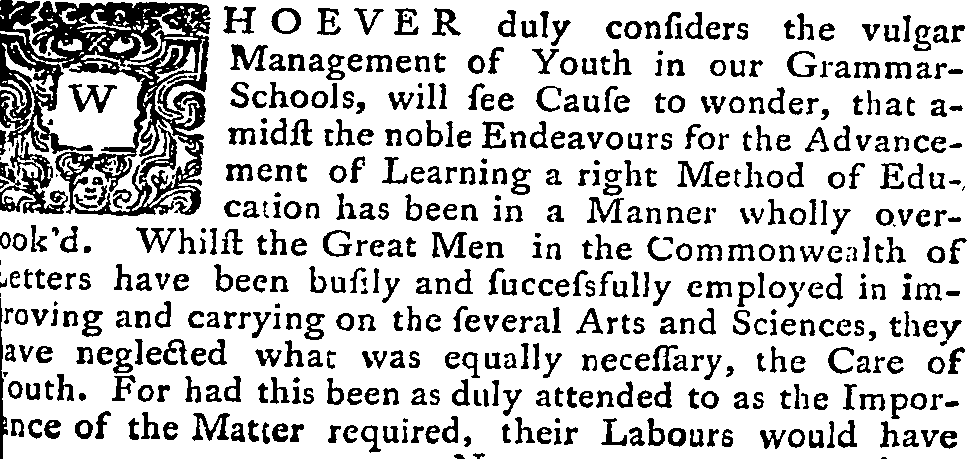
The invention of the printing press in the late 15th century was another powerful force. It helped standardize spelling and grammar because printers in London chose one dialect—the East Midland dialect—as their standard. This London-based standard became the foundation for Modern English.
The Renaissance also fueled a new wave of borrowing, this time directly from Latin and Greek, to create words for new scientific and philosophical concepts. Words like atmosphere, gravity, and chronology entered the language during this period. Finally, the works of writers like William Shakespeare and the publication of the King James Bible in 1611 enriched the language with new vocabulary and idioms, cementing the form of English we recognize today.
From its humble beginnings as a collection of Germanic dialects, English has grown into a global language, constantly shaped by history, conquest, and culture. Its vocabulary is a rich tapestry woven from Germanic, French, Latin, and Norse threads, reflecting the complex journey of its speakers.
Let's review some of the key periods and influences we've discussed.
Now, check your understanding of how English evolved.
What is the name of the reconstructed language believed to be the ancestor of most European and many Asian languages, including English?
The English language has pairs of words like cow (the animal) and beef (the meat), or pig and pork. This linguistic pattern is primarily the result of which historical event?
The history of English shows how languages are living things, constantly changing and adapting. Each historical event left its mark, creating the wonderfully complex and versatile language we use today.