The Enduring Power of Adobe
Introduction to Adobe Construction
Building with Earth
One of the oldest building materials known to humankind isn’t quarried stone or felled timber. It’s the earth itself. Adobe construction is a technique that uses sun-dried bricks made from a simple mixture of sand, clay, water, and an organic binder like straw or grass.
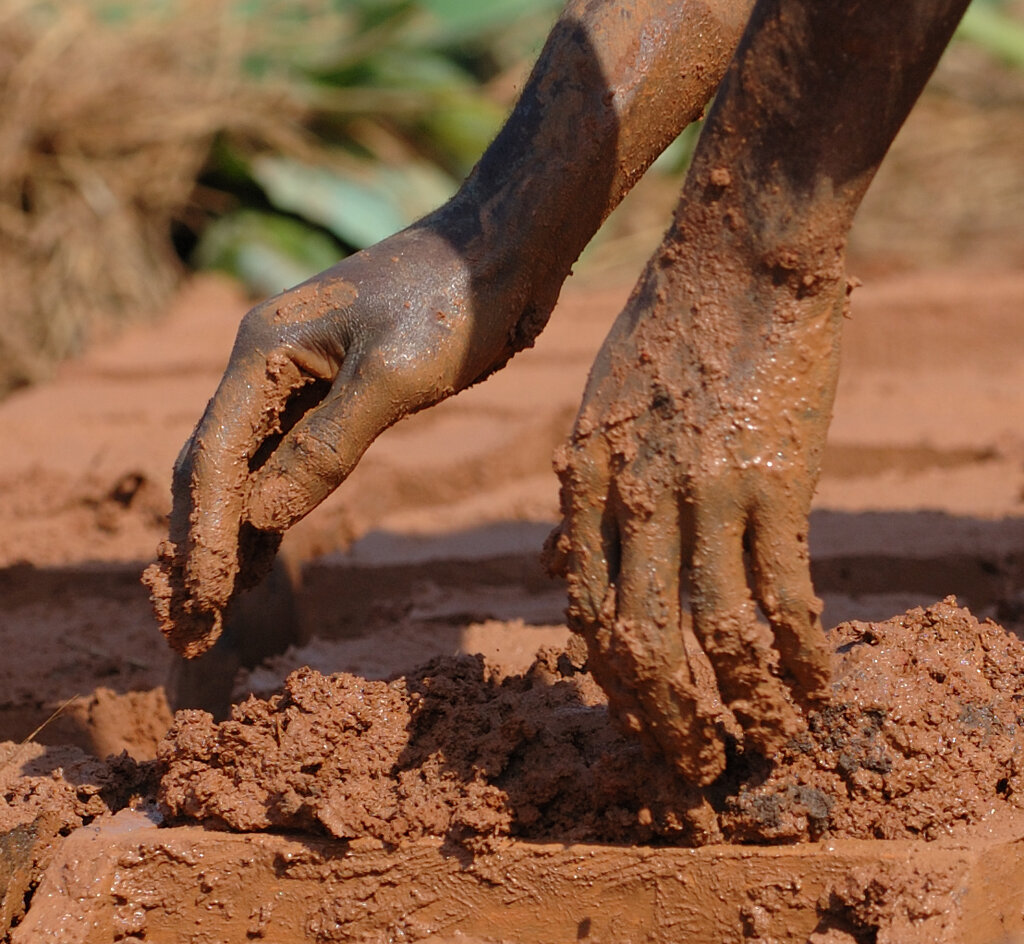
Unlike modern bricks, which are fired in a hot kiln, adobe bricks are simply left to bake in the sun. The clay in the mix acts as a glue, binding the sand particles together, while the straw provides tensile strength, helping to prevent the bricks from cracking as they dry and settle. The result is a dense, sturdy building block with excellent thermal properties. Buildings made from adobe naturally stay cool in hot, dry climates and retain warmth when the temperature drops at night.
The key ingredients for adobe are simple: earth, water, and sun.
An Ancient Tradition
The word "adobe" itself has deep roots, tracing back through Spanish and Arabic to an even older source.
the brick
This Ancient Egyptian term highlights the material's long history in the Nile Valley and the broader Middle East. Some of the earliest known adobe structures date back thousands of years to Jericho, one of the world's oldest continuously inhabited cities. Civilizations in Mesopotamia, the Indus Valley, and ancient Persia all relied on mud-brick for everything from simple homes to grand ziggurats and palaces.
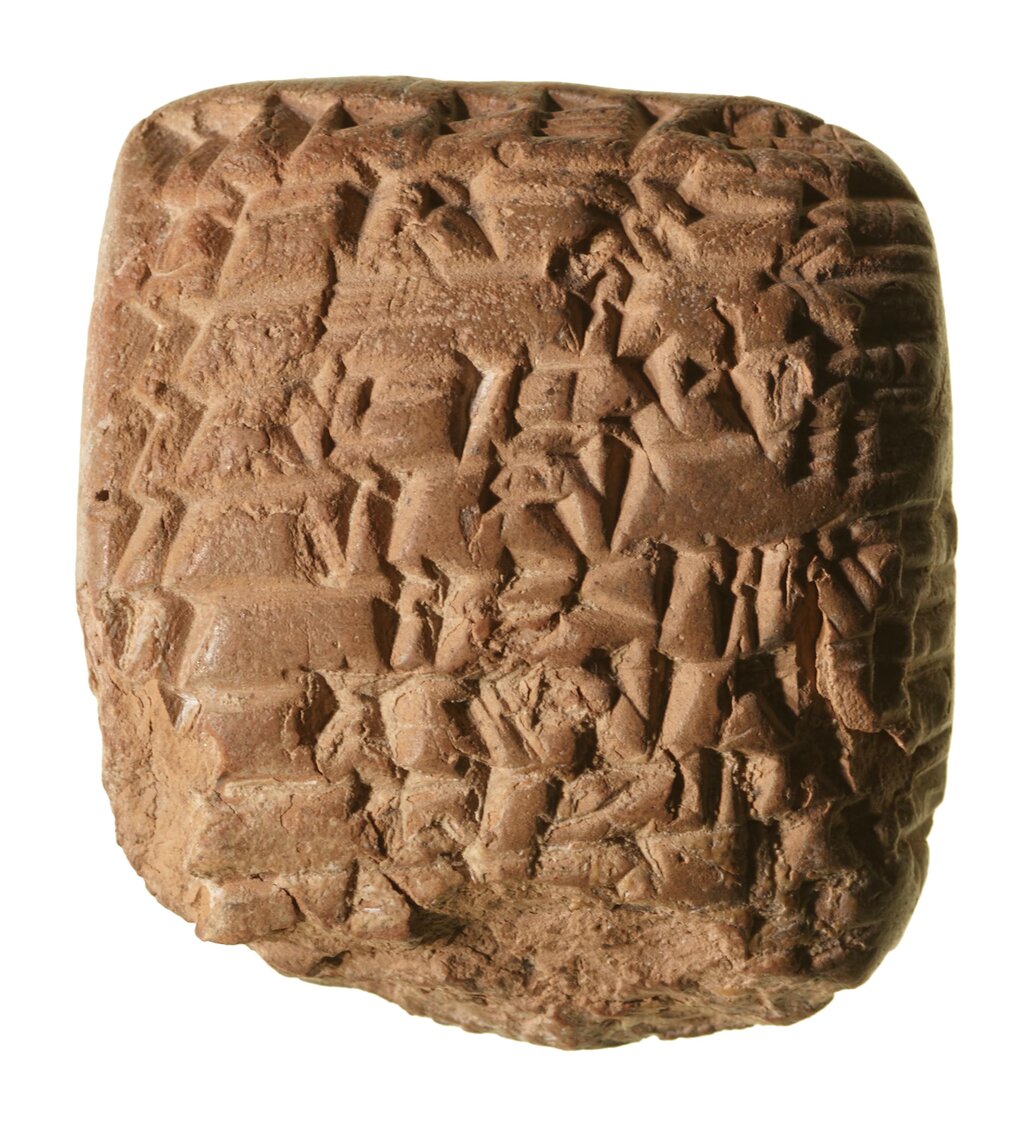
The technique wasn't limited to one part of the world. Independently, cultures across the globe discovered the utility of building with earth. From the monumental Pyramids of the Sun and Moon in Teotihuacán, Mexico, to the ancient pueblos of the American Southwest and the earthen mosques of West Africa, adobe architecture became a hallmark of arid and semi-arid regions.
Its prevalence was a matter of practicality. In places with few trees for timber and intense sun to bake the bricks, adobe was the logical choice. The materials were readily available, inexpensive, and required simple technology to produce. This allowed diverse cultures to create durable, comfortable shelters perfectly suited to their environment.