The Elusive American Dream
Defining the American Dream
The Dream of a Better Life
The “American Dream” is a familiar phrase. At its core, it’s the belief that anyone, regardless of their background, can achieve success and prosperity through hard work, determination, and initiative. It’s the idea of upward social mobility, of creating a better life for yourself and your children.
This concept is deeply woven into the fabric of the United States. Its roots can be traced back to the Declaration of Independence in 1776, which declared that all men are created equal with the right to “Life, Liberty and the pursuit of Happiness.” This laid the philosophical groundwork for a nation built on opportunity.
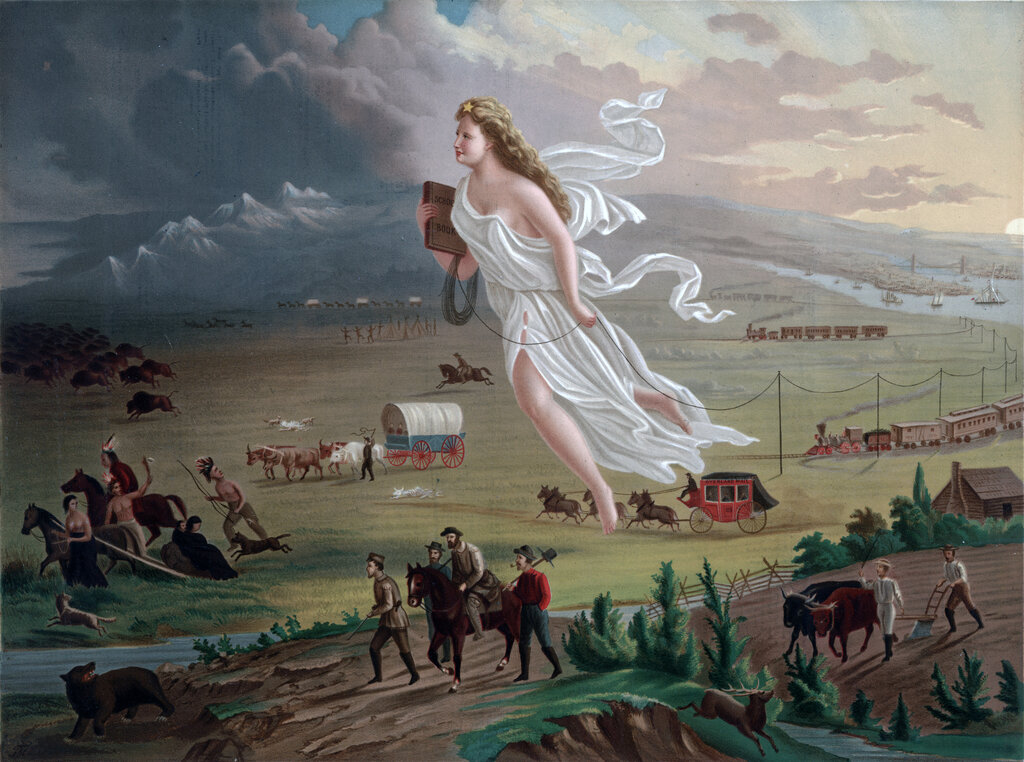
However, the specific phrase “American Dream” wasn’t widely used until much later. It was coined by writer and historian James Truslow Adams in his 1931 book, The Epic of America. Writing in the depths of the Great Depression, Adams wanted to capture a sense of hope and a national purpose.
Adams described it as “that dream of a land in which life should be better and richer and fuller for everyone, with opportunity for each according to ability or achievement.”
For Adams, the dream was not just about material wealth. It was about a social order where every person could attain the fullest stature of which they are innately capable, unhindered by the social hierarchies of older civilizations.
How the Dream Changed
Over time, the American Dream began to take on more specific, material forms. After World War II, a booming economy helped solidify a popular version of the dream: a single-family home in the suburbs, a reliable car, a secure job, and a comfortable family life. This vision was heavily promoted in media and became a cultural benchmark for success.
As the 20th century progressed, the dream continued to evolve. For some, it shifted from simply owning things to achieving personal fulfillment. This could mean getting a college education, starting a business, or pursuing a creative passion. The definition became more personal and less uniform.
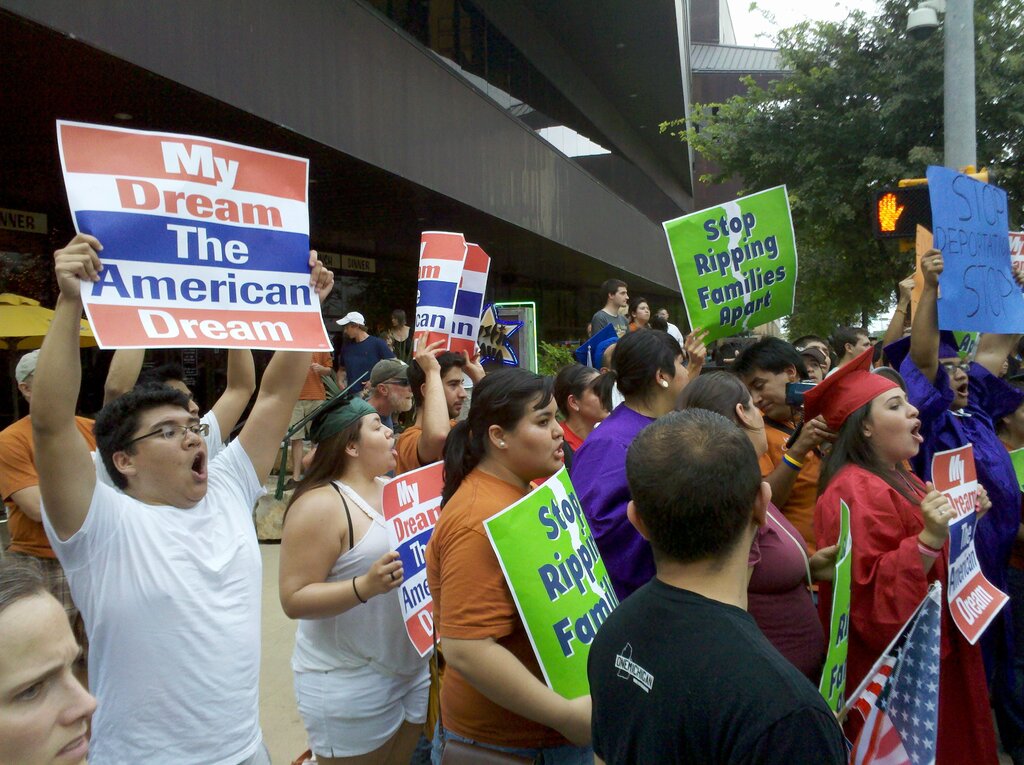
Today, the American Dream means different things to different people. For many immigrants, it remains a powerful symbol of hope and opportunity, a chance to escape persecution or poverty. For others born in the U.S., it might represent financial security, the freedom to express their identity, or the ability to give their children more opportunities than they had.
A National Ethos
The American Dream is more than just an individual goal; it's a central part of the national ethos. It’s the story America tells about itself—a land of limitless possibility where your starting point doesn’t determine your destination.
ethos
noun
The characteristic spirit of a culture, era, or community as manifested in its beliefs and aspirations.
This idea has shaped everything from politics to pop culture. It fuels entrepreneurial spirit and encourages risk-taking. It's the promise that motivates people to work long hours, move across the country for a new job, or invest their life savings into a new venture. It functions almost like a civil religion, a shared belief that binds a diverse population together.
Whether it’s the story of an immigrant starting a successful company or a first-generation student graduating from college, these narratives reinforce the idea that the dream is alive and attainable.
Let's review the core concepts we've covered.
Now, check your understanding of how this foundational idea has been defined and has evolved over time.
Who is credited with coining the specific phrase “American Dream” in a 1931 book?
According to the text, the philosophical foundation of the American Dream can be traced back to which historical document?
The American Dream remains a powerful, if complex, idea. It began as a vision of a society with opportunity for all, evolved to include specific material goals, and continues to be redefined by each new generation.