The Electrifying History of Cars
Early Electric Vehicles
The First Spark
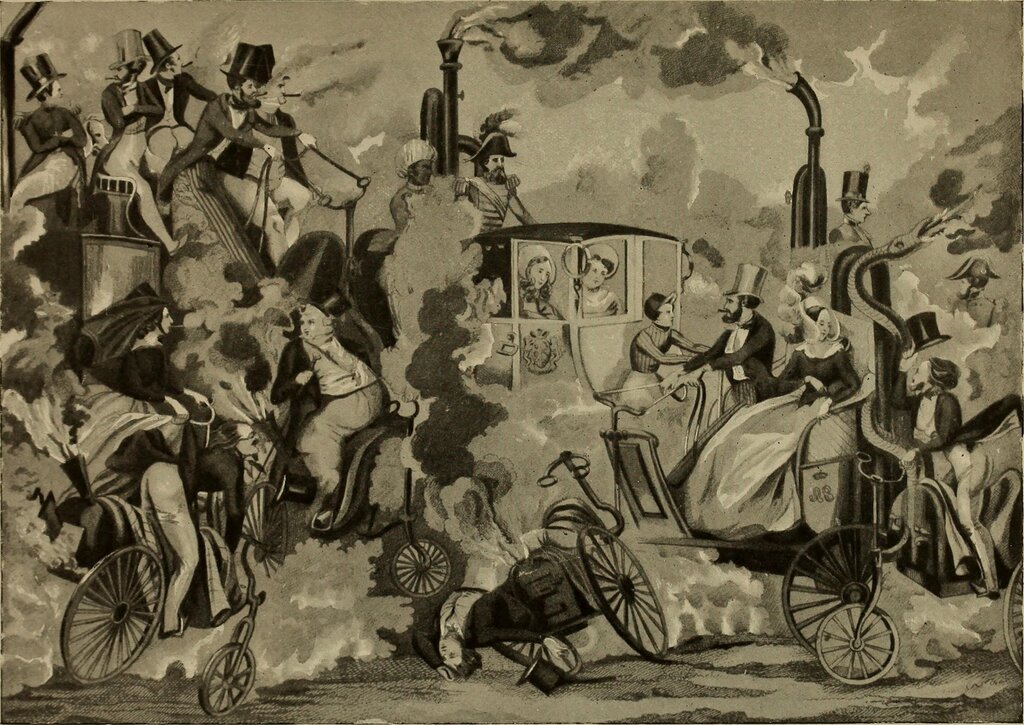
Long before the hum of modern electric cars, the idea of a vehicle powered by electricity was already taking shape. The earliest concepts emerged in the 1820s and 1830s, a time of fervent invention. In Scotland, inventor Robert Anderson is credited with creating one of the first crude electric carriages around 1832. A few years later, across the Atlantic, Thomas Davenport, a blacksmith from Vermont, built a small-scale electric car that ran on a circular track.
These pioneering vehicles were more like experiments on wheels than practical transportation. Their biggest limitation was the power source. They relied on primary cells, a type of battery that could not be recharged. Once the chemical reaction was complete, the battery was spent. This made them expensive and impractical for any real travel, but they proved a crucial point: electricity could make things move.
A Rechargeable Revolution
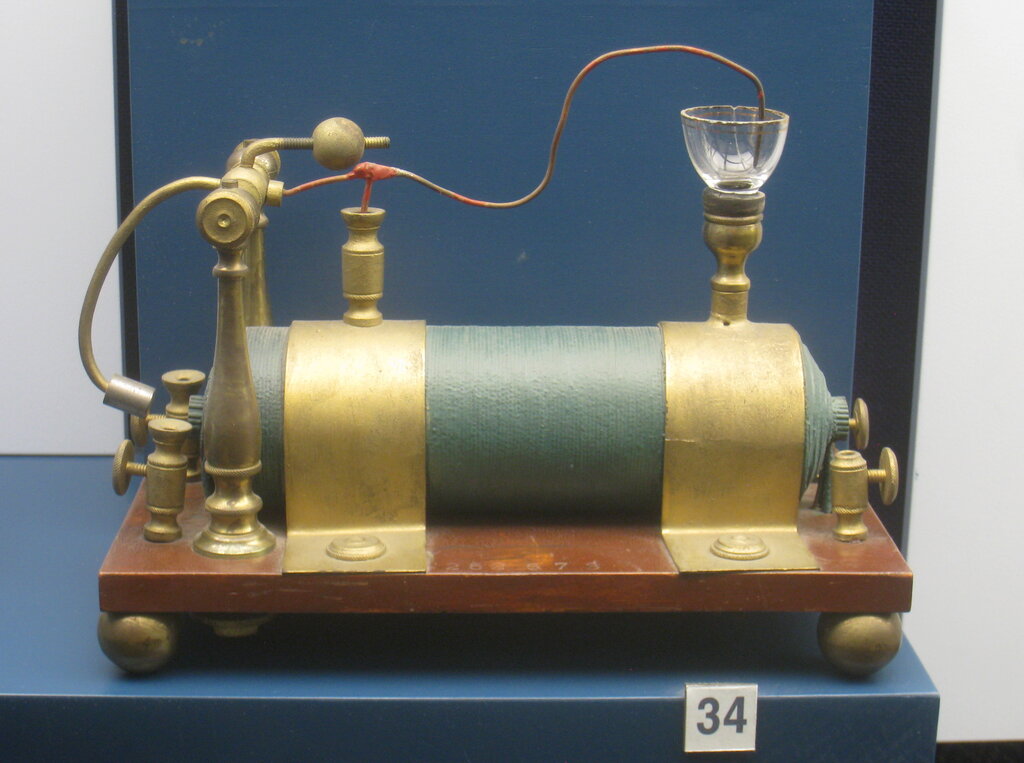
The electric vehicle remained a curiosity for decades until a breakthrough in battery technology changed everything. In 1859, French physicist Gaston Planté invented the lead-acid battery, the first-ever rechargeable battery. His design was simple: two sheets of lead separated by rubber strips, rolled into a spiral and submerged in a sulfuric acid solution.
While revolutionary, Planté's battery had to be charged and discharged many times to build its capacity, a process called "forming." It wasn't until 1881 that another Frenchman, Camille Alphonse Faure, developed a way to coat the lead plates with a paste of lead oxides. This dramatically improved the battery's capacity and made it much easier to manufacture on a commercial scale. Suddenly, a reusable, reliable power source for vehicles was a reality.
The Golden Age of Electric Cars
With rechargeable batteries, electric cars entered their first golden age in the late 1890s and early 1900s. At the turn of the 20th century, they weren't just a novelty; they were a leading contender for the future of transportation. In 1900, EVs accounted for about a third of all cars on the road.
Compared to their rivals, electric cars had significant advantages. Steam-powered cars required a long start-up time, sometimes up to 45 minutes, and had limited range. Gasoline cars were noisy, smelly, and difficult to operate. They required a hand crank to start, which was physically demanding and occasionally dangerous, and changing gears was a clumsy, grinding affair.
Electric vehicles, by contrast, were quiet, clean, and easy to drive. They had no vibration, no foul-smelling exhaust, and no complex gear shifting. You simply turned a key and went.
These qualities made EVs especially popular in cities, where trips were shorter and a charging infrastructure was easier to establish. They were favored by women and professionals like doctors who needed a reliable vehicle that was simple to start for house calls. Companies like the Pope Manufacturing Company in Connecticut became major producers, marketing their Pope-Waverley electrics as the height of sophisticated urban travel.
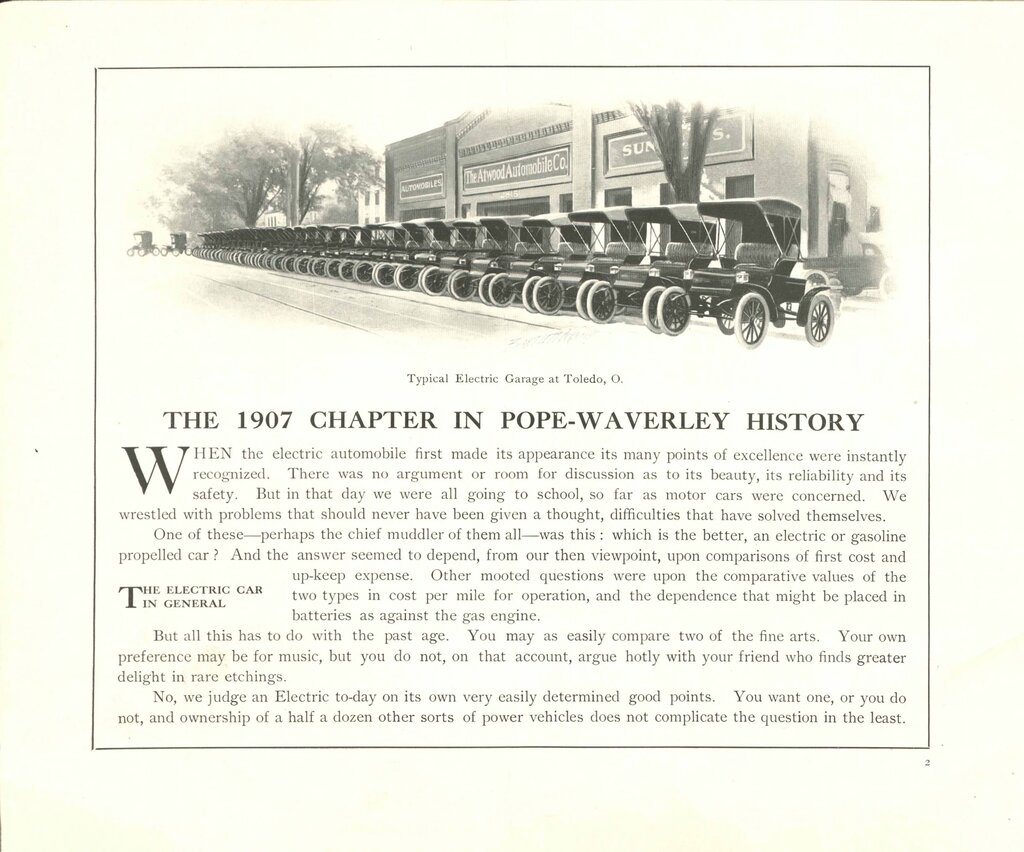
Electric power wasn't just for personal cars. It also drove urban transit. Fleets of electric taxis became a common sight in major cities like New York. The first electric taxicab fleet, using cars built by the Electric Carriage and Wagon Company of Philadelphia, hit the streets of Manhattan in 1897. Electric trucks and delivery vans also found a niche, valued for their reliability and quiet operation in residential neighborhoods.
Ready to check your understanding of the early days of electric vehicles?
What was the primary limitation of the earliest electric vehicles developed in the 1830s by inventors like Robert Anderson and Thomas Davenport?
The invention of the first rechargeable lead-acid battery by Gaston Planté in 1859 immediately made electric cars commercially viable.
For a brief, shining moment at the dawn of the automotive age, the electric car was a quiet, clean, and compelling vision of the future.