The Electric Guitar Explained
Electric Guitar Basics
Anatomy of an Electric Guitar
Unlike its acoustic cousin, which uses a hollow body to naturally amplify the sound of its strings, an electric guitar relies on electronics to make itself heard. At a glance, it shares the same basic parts: a body, a neck with frets, and a headstock with tuning pegs. But a closer look reveals some key differences.
The body is typically solid wood, which is why many electric guitars are heavier than acoustics. The neck is where you'll press down on the strings to change notes, and the headstock holds the tuners that keep those strings at the right pitch. But the most important parts for creating the electric guitar's sound are the pickups and the output jack.
How an Electric Guitar Speaks
When you pluck a string on an electric guitar, it vibrates. On its own, this vibration is very quiet. The magic happens with the pickups, which sit on the body directly underneath the strings.
An electric guitar is a type of guitar that uses pickups to convert the vibration of its steel-cored strings into an electrical current, which is made louder with an instrument amplifier and a speaker.
Each pickup is a magnet wrapped thousands of times with a very thin copper wire. This creates a magnetic field. Because the guitar's strings are made of metal (usually steel), their vibration disturbs this magnetic field. This disturbance induces a tiny electrical current in the copper wire, a signal that is an exact electronic copy of the string's vibration.
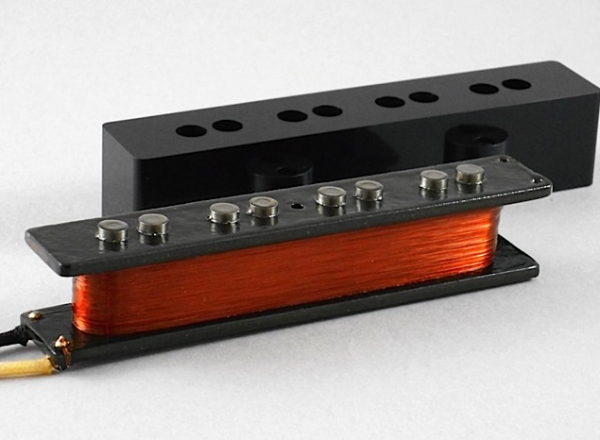
Different types of pickups, and even their placement on the guitar's body, can dramatically change the sound. A pickup closer to the neck produces a warmer, rounder tone, while one near the bridge sounds brighter and sharper.
Turning Up the Volume
The electrical signal created by the pickups is far too weak to be heard on its own. It needs to be made stronger, or amplified. That's where the amplifier, or "amp," comes in.
You connect your guitar to an amplifier using a cable that plugs into the guitar's output jack. The amplifier's job is to take that small signal from the pickups and boost it into a powerful signal that can drive a speaker. The speaker then converts this amplified electrical signal back into sound waves, which is what you finally hear.
This chain, from string to speaker, is what gives the electric guitar its voice. The instrument, pickups, and amplifier all work together as a system to create the final sound.
What is the primary role of the pickups on an electric guitar?
The signal generated by an electric guitar's pickups is strong enough to be heard clearly without any external devices.
Understanding these basic parts and processes is the first step. It's this combination of wood, metal, magnets, and electricity that makes the electric guitar such a versatile and powerful instrument.