The Eight Celtic Pagan Sabbats
Introduction to the Celtic Wheel of the Year
The Wheel of the Year
For the ancient Celts, time wasn't a straight line. It was a circle, a repeating pattern of light and dark, planting and harvest, life and death. This cycle, known as the Wheel of the Year, is marked by eight festivals, or Sabbats, that celebrate the turning of the seasons.
These festivals aren't just holidays; they are anchor points in the year that connect people to the land and the rhythms of nature. They track the sun's journey across the sky and the corresponding changes in the world, from the deepest slumber of winter to the vibrant peak of summer.
The eight Sabbats are divided into two groups. Four are solar festivals, tied directly to the sun's position: the winter and summer solstices, and the spring and autumn equinoxes. These are the cornerstones of the year.
The other four are known as cross-quarter days or fire festivals, falling midway between the solar events. These festivals—Imbolc, Beltane, Lughnasadh, and Samhain—were particularly important in Gaelic Celtic traditions and marked key moments in the agricultural calendar, like the start of planting or the first harvest.
Celtic traditions are closely tied to the wheel of the year, celebrating festivals such as Samhain, Imbolc, Beltane, and Lughnasadh.
The Eight Festivals
Each festival has its own unique meaning and traditions, but together they form a complete cycle. Here is a quick overview of the eight Sabbats that make up the Wheel of the Year.
| Sabbat | Timing | Significance |
|---|---|---|
| Samhain | Late Autumn (Oct 31) | Celtic New Year |
| Yule | Winter Solstice | Return of the Sun |
| Imbolc | Early Spring (Feb 1) | First stirrings of life |
| Ostara | Spring Equinox | Balance of day/night |
| Beltane | High Spring (May 1) | Fertility and life |
| Litha | Summer Solstice | Longest day of light |
| Lughnasadh | Late Summer (Aug 1) | First harvest |
| Mabon | Autumn Equinox | Second harvest |
While modern calendars often mark these festivals on specific dates, their traditional timing was more fluid, often tied to lunar cycles or the first signs of seasonal change in the local environment.
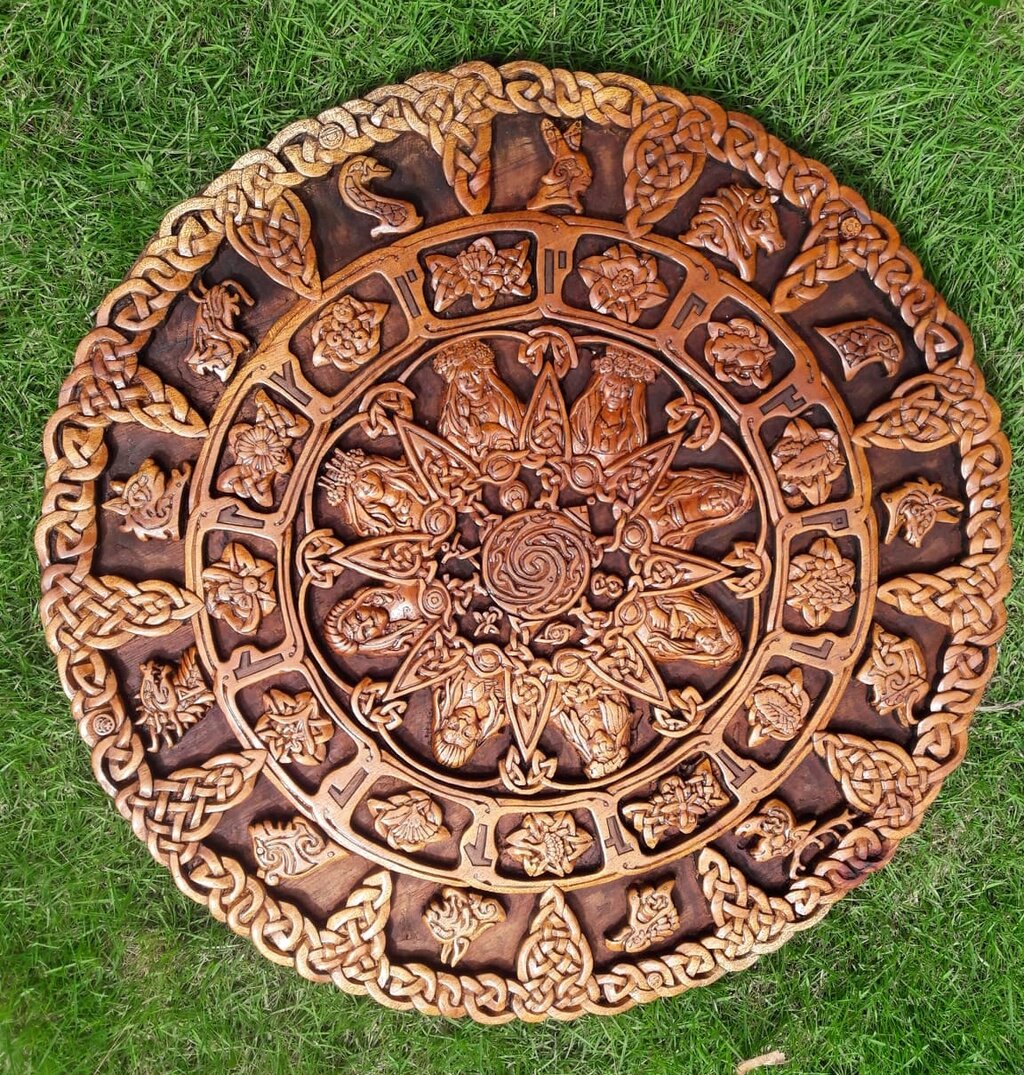
The Wheel of the Year reminds us that every ending is also a beginning. The darkness of winter gives way to spring's new life, just as the final harvest of autumn prepares the ground for the quiet rest to come.
Understanding this framework is the first step to exploring the rich traditions of the Celts. Each Sabbat offers a different lens through which to view the world and our connection to it.