The Economics of Trade Wars and Tariffs
Introduction to Trade and Tariffs
Why Countries Trade
No country can produce everything its people need or want. The United States is great at growing soybeans, but it can't grow coffee beans as efficiently as Colombia. Saudi Arabia has vast oil reserves, but it needs to import cars and electronics. International trade allows countries to specialize in what they do best and trade for the rest.
This specialization makes the global economy more efficient. Each country focuses on producing goods and services where it has a natural advantage, whether that's climate, resources, or a skilled workforce. The result is a wider variety of goods available to consumers everywhere, often at lower prices.
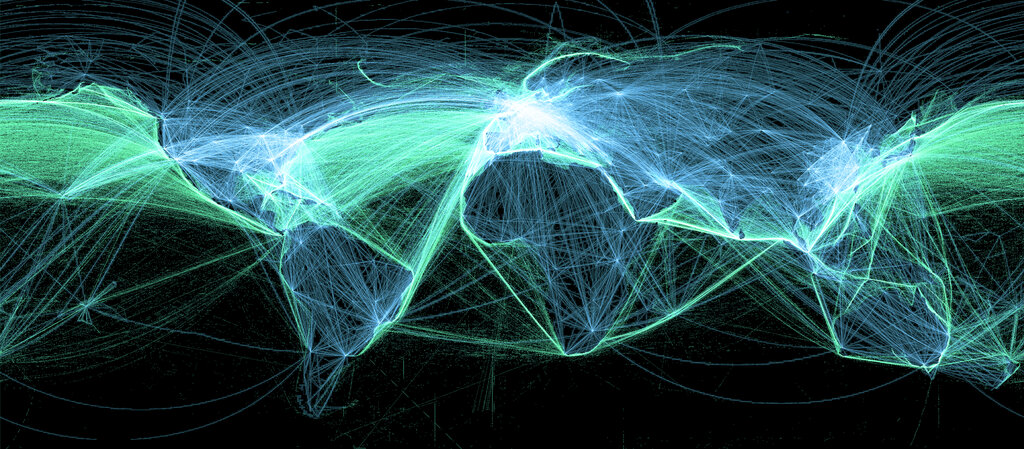
Think of it like a neighborhood. Your local baker is an expert at making bread. Instead of trying to bake your own mediocre loaf, you buy one from her. You, in turn, might be a great accountant. You trade your accounting services for her bread. Both of you are better off. International trade is just this principle on a global scale.
But this trade isn't always completely free. Sometimes, governments step in to control the flow of goods across their borders. One of the most common tools they use is a tariff.
What is a Tariff?
Tariff
noun
A tax imposed by a government on goods or services imported from other countries.
A tariff is essentially a border tax. When a product from another country arrives at the port or border, the government of the importing country charges a fee to bring it in. This fee can be a fixed amount per item or a percentage of the item's value.
Governments impose tariffs for a few main reasons:
- To protect domestic industries. If foreign cars are cheaper than cars made at home, a tariff can raise the price of the foreign cars, making the domestic ones more competitive.
- To raise revenue. Just like any other tax, the money collected from tariffs goes to the government and can be used to fund public services.
- As a political tool. Tariffs can be used to penalize other countries for unfair trade practices or to pressure them during political disputes.

How Tariffs Work
The core mechanism of a tariff is simple: it makes imported goods more expensive. This change in price sets off a chain reaction in the economy.
When a foreign good becomes more expensive, two things tend to happen. First, domestic consumers may buy less of it, or they might switch to a less expensive, domestically produced alternative. Second, domestic producers, now facing less competition from cheap imports, can often sell more of their own products, sometimes at a higher price.
This graph shows the basic idea. Before the tariff, the price is low (the World Price), so consumers demand a lot (Qd1), but domestic companies only supply a little (Qs1). The large gap between those two points is filled by imports.
After the tariff is added, the price for imported goods rises to Pt. At this new, higher price, consumers demand less (Qd2), while domestic firms are willing to supply more (Qs2). The result is that the amount of imports shrinks significantly.
By raising the price of foreign goods, tariffs encourage consumers and businesses to buy domestic products instead.
So, a tariff shifts economic activity. It can boost business for domestic companies in the protected industry and increase government revenue. However, it also means higher prices for consumers, who ultimately pay the tax. This trade-off is at the heart of every debate about tariffs and international trade.
What is the primary reason countries engage in international trade, based on the principle of specialization?
A tax that a government places on imported goods is called a ______.