The Economics of Modern Video Games
Introduction to Video Game Economics
Supply and Demand in Gaming
At its heart, the video game market works like any other. It's a dance between what players want (demand) and what developers create (supply). When a new console like the PlayStation 5 or Xbox Series X launches, demand is sky-high. Everyone wants one, but there aren't enough to go around. This scarcity drives up prices, at least in secondhand markets.
Over time, the manufacturer (Sony or Microsoft) produces more consoles. The supply increases to meet the initial demand. Eventually, there are enough for everyone who wants one at the standard retail price. The market reaches a balance, or equilibrium.
The same principle applies to games themselves. A hugely anticipated title will have massive demand on day one. But what happens if the game is digital? The supply is theoretically infinite. One person downloading a game doesn't prevent another from doing so. This changes the classic supply dynamic and is one reason pricing strategies in gaming have evolved so much.
Market Structures
The video game industry isn't just one big, open field. It's made up of different market structures, which describe how competitive a particular part of the industry is. These structures influence everything from game prices to the variety of titles available.
| Market Structure | Description | Gaming Example |
|---|---|---|
| Monopoly | One company controls the entire market for a specific product. | A publisher with an exclusive license for a major sports league, like EA with the Madden NFL series for many years. |
| Oligopoly | A few large firms dominate the market. Their decisions heavily impact each other. | The console market, dominated by Sony (PlayStation), Microsoft (Xbox), and Nintendo (Switch). |
| Monopolistic Competition | Many companies compete, but each sells a slightly different product. | The market for indie games on platforms like Steam. Thousands of games compete, but each offers a unique experience. |
| Perfect Competition | Many companies sell identical products. No single company can influence the price. | This is rare in gaming, but you could think of simple, clone-like mobile games where dozens of near-identical options exist. |
The console space is a classic oligopoly. Sony, Microsoft, and Nintendo's actions are closely watched by each other. When one company announces a new console or a price drop, the others often respond. This competition can be great for consumers, leading to better hardware and competitive pricing.
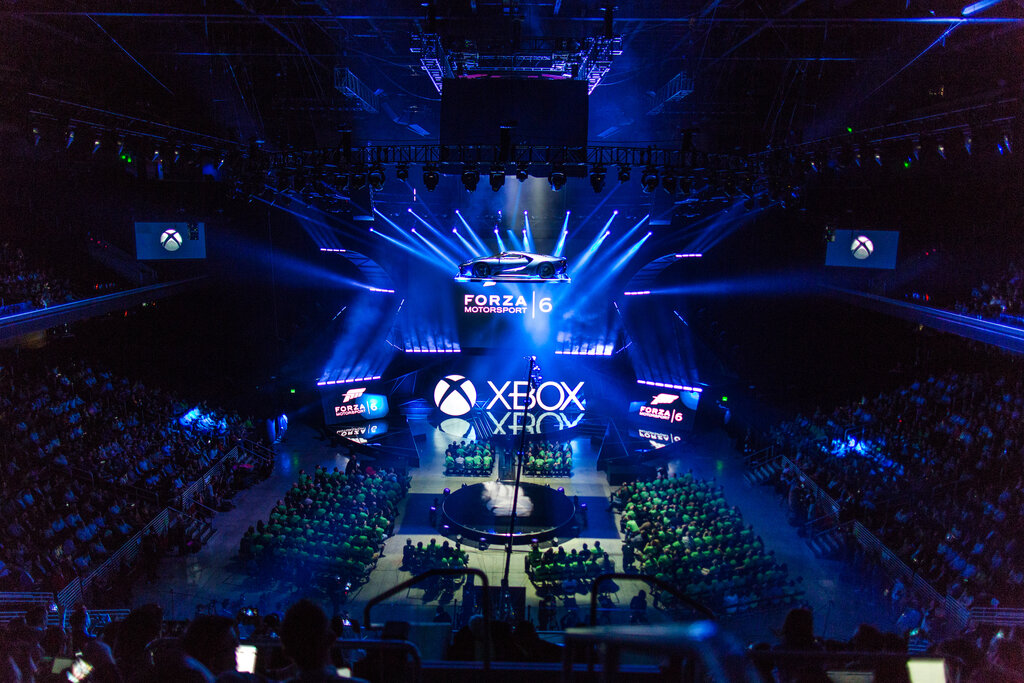
Conversely, the PC and mobile game markets feel more like monopolistic competition. Developers differentiate their games through story, art style, and gameplay mechanics to stand out. A unique game can carve out its own niche, even in a crowded marketplace.
Traditional Revenue Models
Before the internet changed everything, how companies made money from games was straightforward. The main models were pay-to-play and buy-to-play.
Buy-to-Play
other
A revenue model where a customer pays a one-time, upfront price for full access to a video game.
This is the classic model you know from buying a game at a store. You pay $60, you get the game, and you own it. It's simple and transparent. The entire value of the game is packed into that initial purchase. Developers and publishers have one shot to make a sale.
The buy-to-play model incentivizes developers to create a complete, polished experience right out of the box to justify the upfront cost.
The other major traditional model was pay-to-play, which became popular with early online games.
Pay-to-Play
other
A revenue model, typically for online games, that requires a recurring subscription fee for continued access.
In this model, you might buy the base game and then pay a monthly fee, perhaps $15, to keep playing. This model works for games that require constant maintenance, like running massive servers and creating regular new content for thousands of players. The subscription provides a steady stream of revenue to support these ongoing costs.
These traditional models laid the groundwork for the industry, but as we'll see, the rise of digital distribution and online connectivity opened the door to entirely new ways of making money from games.
Let's check your understanding of these core concepts.
When a new gaming console is launched, why do prices on secondhand markets often exceed the official retail price?
The console market, with dominant players like Sony, Microsoft, and Nintendo, is a classic example of which market structure?
These foundational ideas of supply, demand, market structures, and revenue models are the building blocks for understanding the modern video game economy.