The Economics of Modern Gaming
Gaming Industry Overview
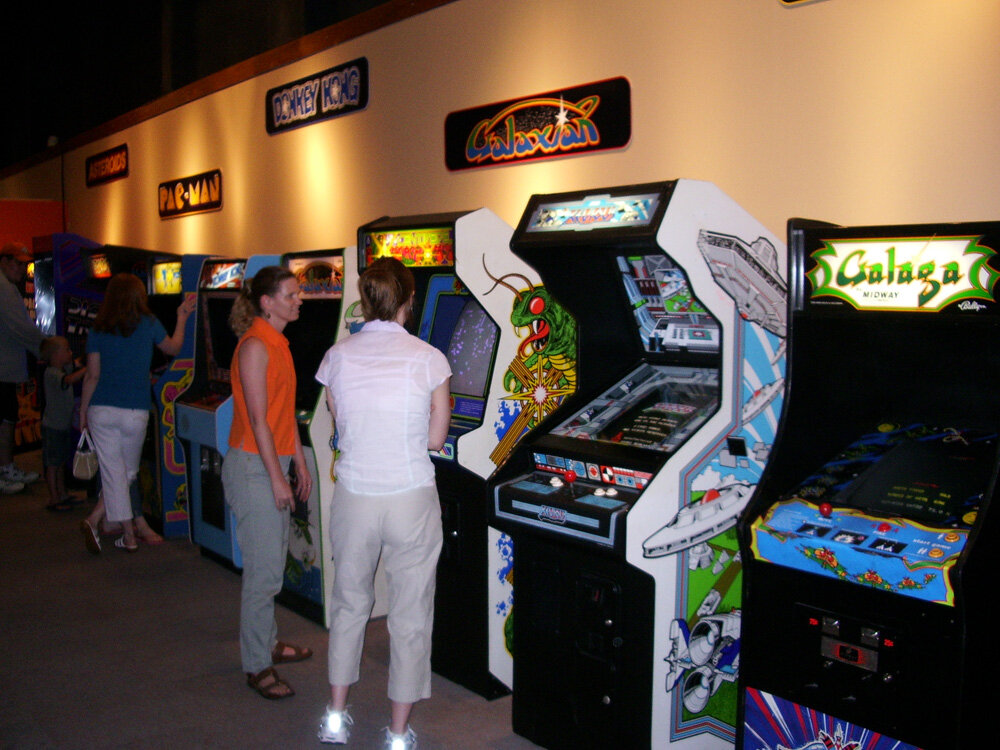
From Arcades to Living Rooms
Not long ago, video games were destinations. You went to an arcade, fed it quarters, and competed for a high score on a public screen. Then, home consoles brought the experience into the living room. This shift was monumental, but the way we bought games remained the same for decades.
A new game meant a trip to the store. You'd browse shelves lined with plastic boxes, read the descriptions on the back, and take your chosen cartridge or disc home. This was the retail model. It worked, but it had limits. Publishers had to guess how many copies to produce. Stores had limited shelf space. If a game sold out, you had to wait for another shipment. The whole process involved factories, trucks, and warehouses.
The Digital Revolution
The internet changed everything. Slowly at first, and then all at once, it transformed how games were sold, played, and even made. The biggest change was the move to digital distribution.
Instead of buying a box, players could now download games directly to their console or computer through online services like Steam, the PlayStation Store, or Xbox Live. This eliminated the costs of manufacturing, shipping, and retail markups. For gamers, it meant instant access to a massive library of titles without leaving the house. For developers, especially smaller ones, it opened a door to publish their games without needing a major publisher to back them for a physical release.
This digital shift also powered the explosion of online multiplayer games. Once consoles and PCs were consistently connected to the internet for downloads, they could also be used to connect players with each other. Gaming became a fundamentally more social activity, moving from the couch to a global network of players.
The Economics of Gaming
The gaming industry is a massive economy, driven by familiar principles of supply, demand, and competition.
In the era of physical games, supply was finite. A publisher would manufacture a certain number of copies, and if demand was higher than expected, the game would sell out, sometimes leading to inflated prices on the secondary market. With digital games, the supply is effectively infinite. Once a game is developed, it can be sold to one person or a million people with no extra manufacturing cost. This puts more emphasis on the demand side.
Demand is shaped by many factors: marketing hype, brand recognition, reviews from critics and players, and the influence of streamers. A game that captures the public's imagination can command a high price, even with limitless supply, because its value is high in the eyes of consumers.
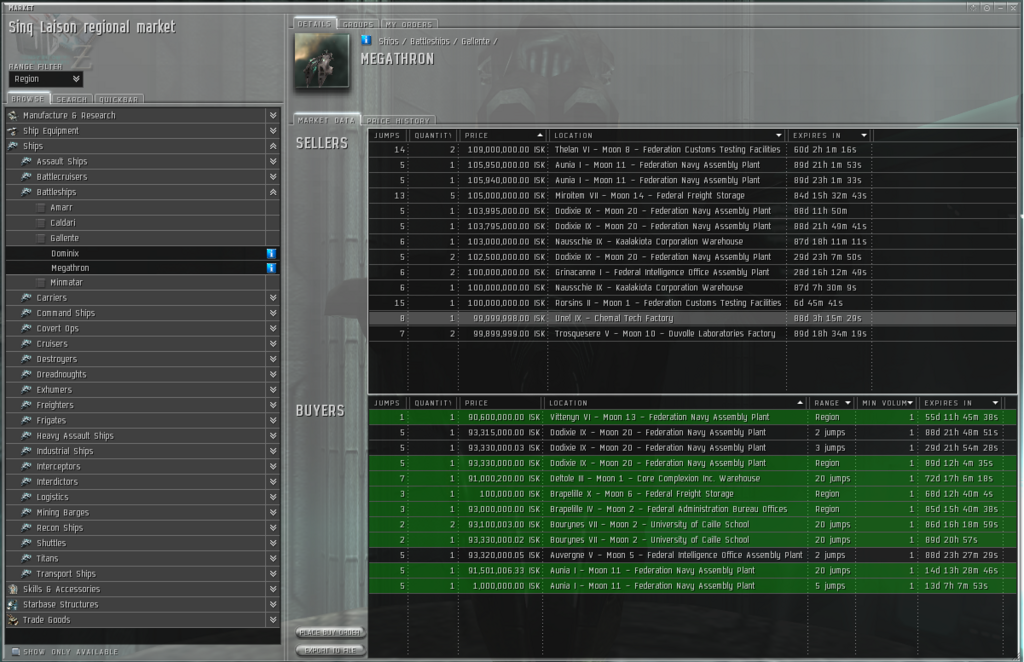
Competition is also fierce. The market is crowded with everything from blockbuster titles by huge studios to creative indie games made by a single person. This competition forces developers to innovate and publishers to price their games strategically. A unique gameplay idea, a captivating story, or a polished multiplayer experience can help a game stand out. Consumer behavior is key here. Players decide which games succeed by voting with their wallets, choosing experiences that offer the most value for their time and money.
The rise of mobile gaming, powered by smartphones, introduced an entirely new competitive arena. It brought gaming to a massive new audience, many of whom had never owned a dedicated gaming console. This new market created new consumer behaviors and expectations, further shaping the economic landscape of the industry.
What is the primary effect of digital distribution on the 'supply' aspect of video game economics?
The shift from physical retail to digital marketplaces particularly benefited which group of game creators?
The shift from physical media to digital downloads has fundamentally remade the video game industry, changing how games are sold, who can make them, and how we play.